
Bodycam Footage Captured Eight Starving And Dehydrated Dogs
Guest Contributor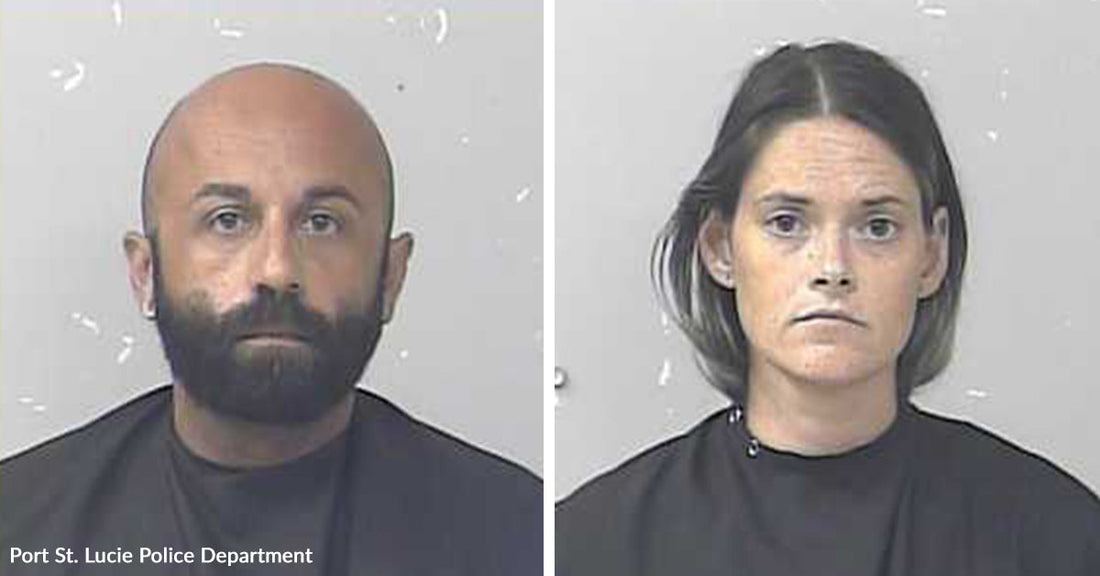
Animal cruelty cases are difficult to read about, and this one from Port St. Lucie, Florida, is especially heartbreaking. A local couple is accused of keeping eight dogs in filthy and dangerous conditions, leaving them severely underweight, dehydrated, and confined in a space that officers described as overwhelming with the smell of urine and feces. As investigators moved through the case, they documented not only alleged cruelty but also an unexpected thread of hope in the possible reunion of a stolen dog with his original family. For anyone who cares about animal welfare, this story of alleged aggravated animal cruelty is both sobering and deeply instructive.
According to police, the investigation began with an anonymous tip about animal welfare concerns at a home on Biltmore Street in Port St. Lucie. When officers arrived, they immediately detected strong odors of urine and feces coming from the garage and heard multiple dogs barking inside. This first impression was a warning sign that something was very wrong behind those doors. What they discovered once they entered would later form the basis of multiple felony animal cruelty charges.

Investigators reported that several of the dogs were kept in kennels surrounded by urine and feces, confined in a garage where the conditions were so harsh that the ammonia smell burned officers’ eyes and made it difficult to breathe. Using the Purina Body Condition System chart, officers found that most of the dogs ranked a 1 or 2 out of 9, a range that typically indicates severely underweight animals. They said they could see ribs, hip bones, and vertebrae clearly, which suggested prolonged lack of proper nutrition and care.
The dogs were identified as Sasha, Stan Lee, Panther, Princess, Bindi, Benji, Tito, and Basil. Police highlighted the condition of Stan Lee, a German shepherd, noting that he appeared especially frail compared to the others. The officers also documented signs of serious dehydration. Investigators said the animals appeared so desperate for water that they were seen attempting to drink from an air conditioning drainpipe because they did not appear to have consistent access to fresh water bowls. Descriptions like that make the allegations of neglect painfully vivid and specific.
In addition to being underweight and dehydrated, the medical evaluations that followed removal from the home revealed further problems. Investigators reported that six of the eight dogs tested positive for parasites. All of the animals were treated once removed from the property, and seven are now under the care of the Humane Society of St. Lucie County. Staff there are working to help the dogs recover physically and emotionally so that, once they are ready, they can be placed up for adoption into new, stable homes.
The owners of the dogs were identified by police as Joseph Calafiore and Alexandria Fiorenza. Officers placed them in handcuffs at the scene. Both individuals are facing eight counts each of aggravated animal cruelty. The report referenced Dexter’s Law, legislation that can increase the likelihood of prison time for certain animal cruelty convictions and require offenders to be listed on a public statewide database. While the outcome of this case will play out in court, the charges reflect how seriously Florida law can treat allegations of severe and repeated abuse or neglect of animals.
One part of the story stands out for offering a rare moment of hope amid the grim details. Investigators learned that one of the rescued dogs, initially known to them as Tito, was actually a dog named Max. Through his microchip, authorities were able to trace his identity and locate his original owner. The owner told investigators that Max had been stolen from his yard several years earlier. He had contacted the microchip company at the time, hoping for help in locating his missing dog. According to the report, the man made it clear that he was determined to bring Max home if the opportunity ever arose.
I found this detail striking, because it illustrates the quiet power of simple steps like microchipping pets. In this case, that small implanted chip connected a dog living in allegedly abusive conditions to a person who had never given up on him. While the legal process and animal welfare assessments will determine when and how Max can safely be reunited with his original owner, the possibility of that reunion is a bright point in an otherwise somber narrative.
Cases like this also focus attention on how essential community involvement is in protecting animals. The investigation began with an anonymous tip from someone who saw or suspected that the dogs at this home were in trouble. That one report led to a police response, the removal and treatment of eight dogs, and the potential reunion of a stolen animal with his family. While not every concern turns out to involve criminal behavior, animal welfare experts often emphasize that it is better to speak up and let authorities assess the situation than to remain silent and risk further suffering.
The role of organizations like the Humane Society of St. Lucie County is another important part of the broader picture. Stepping in after law enforcement removes animals from dangerous environments, they handle the demanding work of rehabilitation: providing medical care, addressing parasites and malnutrition, and offering the socialization and patient attention that help dogs relearn trust. When these dogs are finally listed for adoption, they will carry a difficult history, but they will also have a chance to start over with families who understand the value of steady care, clean environments, and consistent access to food and water.
For readers, this case from Port St. Lucie can serve as a reminder of several key points. First, visible signs such as extreme thinness, lack of water, or strong odors can indicate serious neglect. Second, microchipping and keeping contact information up to date can make an enormous difference if a pet is lost or stolen. Finally, state and local laws, including measures like Dexter’s Law, can shape how animal cruelty cases are prosecuted and how repeat offenders are tracked.
The story of these eight dogs, from their reported conditions in a urine soaked garage to their rescue and treatment, underscores the responsibility that comes with sharing our homes and communities with animals. Their well being depends on caregivers who provide food, water, shelter, and medical attention as basic requirements, not optional extras. When that responsibility is ignored or violated, it can take law enforcement, humane societies, and caring neighbors working together to intervene. In this case, that intervention not only gave eight suffering dogs a chance to heal, it also opened the door for one long missing dog, Max, to possibly find his way back home at last. Read more at https://www.wpbf.com