
Portugal’s Last Circus Elephant Walks Away From the Life That Took Her Freedom For 40 Years
Guest Contributor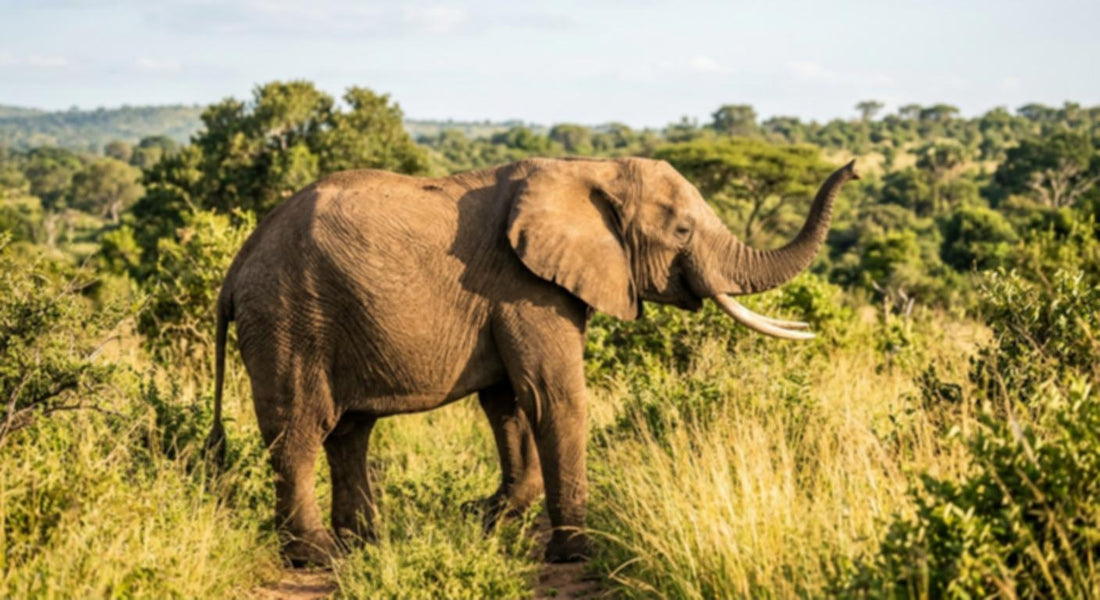
After four decades under the big top, Portugal’s last circus elephant has begun a very different kind of life. Julie, who spent 40 years performing, has arrived at the newly created Pangea Elephant Sanctuary in Alentejo, where she can finally enjoy the slow, simple rhythms of elephant retirement. Her story brings together changing attitudes toward animal welfare, years of planning, and a powerful sense of relief as one of Europe’s most visible working elephants trades tricks and travel for grass, space, and quiet.
Julie’s journey to sanctuary began long before her transport truck rolled out of the Víctor Hugo Cardinali circus grounds. She was captured as a calf in Africa in the late 1980s and taken to Portugal, where she was trained to perform in circuses starting in 1988. For many years she was part of the traveling spectacle that entertained crowds across the country. Those early years reflect an era when wild animals in circuses were widely accepted and rarely questioned. Over time, however, concern for the welfare of wild animals in entertainment grew, and Portugal eventually chose a different path.

In 2018, the Portuguese government passed a law that banned wild animal performances by 2024. On paper, that law marked a major milestone for animal welfare. In practice, it also raised urgent questions about where these animals would go when their days in the ring were over. Julie was one of those animals, aging and still working, yet with no clear long-term home. Without a sanctuary or specialized facility, a beloved elephant might have faced an uncertain future once the curtain closed for good.
The answer arrived in the form of Pangea Elephant Sanctuary, described as the first sanctuary in Europe dedicated specifically to working elephants. While the sanctuary was still under construction, its team began planning Julie’s relocation so she could be the first elephant welcomed to the property. I found this detail striking, because it suggests a deep commitment to moving from performance to protection as thoughtfully as possible. Instead of waiting for everything to be perfect, they built the infrastructure and the plan around an individual animal with a very real deadline.

That planning culminated in a three hour journey on June 30, when Julie was transported by truck from the circus grounds to the vast landscape of Alentejo. According to the sanctuary, she settled in quickly and made herself at home almost immediately. For an elephant that had spent 40 years under the constraints of circus life, the chance to roam a large natural space, choose where to walk, when to bathe, and how to rest represents a profound shift in daily experience. The sanctuary’s managing director, Kate Moore, called her “Portugal’s last circus elephant” and said there could not be a more fitting first resident.
The Pangea Elephant Sanctuary spans 1,000 acres, a scale that is difficult to picture until you imagine how far an elephant might wander in a single day. While the site has the capacity to eventually house between 20 and 35 elephants, the team is taking a gradual approach as they build more barns and fences. That limited occupancy phase reflects a focus on quality of care over speed of expansion. The team has stated that their priority is to give Julie the best possible quality of life for the time she has ahead.

One dimension of Julie’s transition that stands out is the role of community support. Pangea is an independent charity registered in both the United Kingdom and Portugal, and even before Julie arrived, a primary school in England chose to sponsor her. The school “adopted” her by contributing a £100 donation to her care. The image of children helping fund the retirement of a former circus elephant adds a hopeful layer to this story. It suggests a new generation is growing up with a different understanding of how animals like Julie should live, one based more on sanctuary life and less on performances.
Julie’s time at the sanctuary will likely involve more than simply having extra room to walk. Modern elephant sanctuaries focus on physical and emotional well-being, which can encompass veterinary care, enrichment, and space for natural behaviors, especially for older animals. While the article emphasizes the symbolic significance of her arrival, it also hints at ongoing efforts to improve daily welfare for elephants who have experienced long working lives. In that context, the phrase “lazy retirement” becomes less about inactivity and more about an elephant’s right to rest, explore, and choose her own pace.
Her story also does not end with her being alone on this 1,000 acre property. Pangea is already preparing to welcome another resident, a female African elephant named Kariba. Like Julie, Kariba was wild caught and is now in her 40s. She currently lives alone in a zoo in Belgium, and the sanctuary expects her to join Julie later this year. For a highly social species like elephants, having another African elephant of a similar age potentially opens the door to companionship and social interaction that may have been limited or absent for years.
Julie’s rescue aligns with a wider movement to rethink how society treats wild animals that have spent much of their lives in human-centered environments. The article references initiatives such as an elephant ambulance that transports injured elephants for medical care, and acupuncture programs designed to relieve chronic pain and nerve damage in rescued elephants at a care center in India. These efforts, while geographically distant from Portugal, share a common theme. They recognize that after years of physical labor or performance, these animals often need specialized support, whether that means advanced medical treatment, sanctuary space, or both.
The mood surrounding Julie’s transition is quietly uplifting. Rather than focusing on the hardships of her past, the narrative emphasizes what her future now offers: safety, space, and a care team dedicated to her well-being. Her relocation is also a case study in how legislation, nonprofit action, and public support can combine to create a different outcome for individual animals. Laws such as the 2018 Portuguese ban on wild animal performances set the framework, but it takes organizations like Pangea and community sponsors like the English primary school to turn policy into a real-life sanctuary experience for an elephant who once spent her days under bright lights.
For anyone interested in elephant welfare, Julie’s story offers a concrete example of what a humane transition from work to retirement can look like. It shows that behind every policy change involving wild animals are specific individuals with long histories and complex needs. Watching her journey from circus grounds to grassland, as captured in the video shared by the source, it becomes easier to see why sanctuaries dedicated to working elephants are gaining momentum. Julie’s new life in Alentejo cannot rewrite her past, but it can ensure that her remaining years are defined by dignity, care, and the simple joy of being an elephant again.