
Rescuers Lifted an Injured Manatee From Punta Gorda Waters as Boat Strikes Keep Rising
Guest Contributor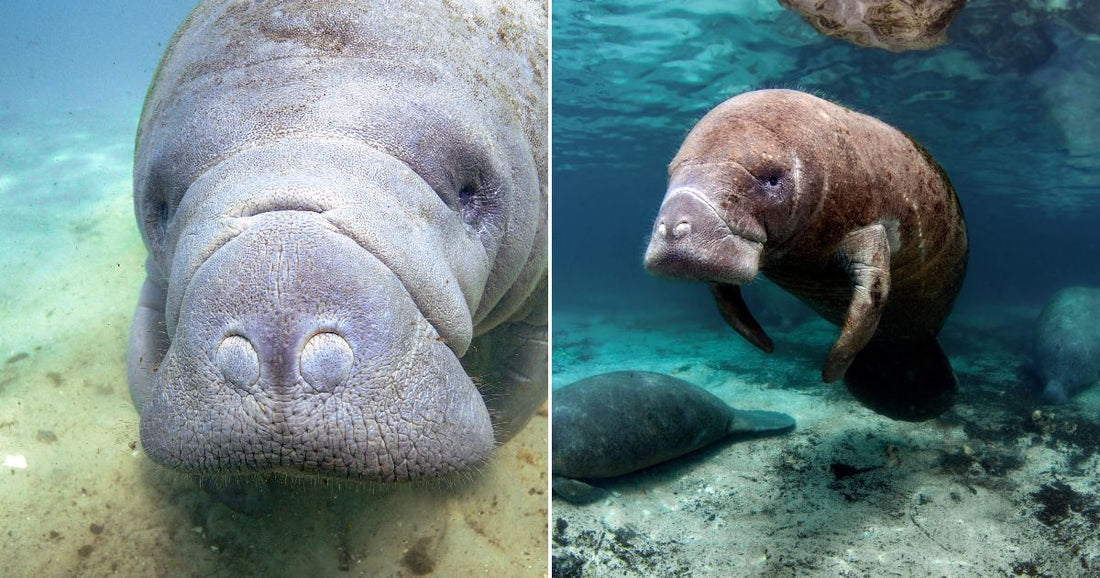
On a quiet afternoon in Punta Gorda, Florida, a deeply sobering scene unfolded that speaks to both the beauty and vulnerability of marine life. Around 2 p.m., at Windmill Village, crews carried out a manatee rescue after discovering the animal with a serious back injury. As manatees move toward warmer waters for the season, this rescue is more than a single incident. It is a clear reminder to boaters that their choices on the water can mean life or death for these gentle creatures and that manatee boat strikes remain a major threat along Florida’s coasts.
Witness Joe Wineland watched the rescue operation from shore as various agencies converged on the canal. He described seeing rescue vehicles arrive, park off to the side, and quickly launch boats to reach the injured manatee. From his account, the response was swift and coordinated. Several boats headed into the water with a singular purpose: to stabilize the animal and bring it back to land safely.

What they found was a male manatee, about 7 feet long, with what Wineland described as a “pretty good gash” on its back. The size and placement of the wound raised obvious concerns that the animal could have internal injuries beyond what could be seen at the surface. Although full details on its medical condition were not shared in the report, the severity of the visible wound alone was enough to underscore how vulnerable manatees are to encounters with watercraft.
Wineland watched as crews from different agencies worked together with practiced precision. About 10 people gathered around the manatee once it was guided close to shore. Carefully, they lifted the heavy animal onto a stretcher designed to support its weight without causing further harm. The team then transferred the manatee into a specialized transport vehicle created to keep it wet and as comfortable as possible during the journey for treatment and evaluation. The rescue process itself reflects how much planning and equipment are required to help just one injured manatee.

The timing of the rescue carries extra significance. As the weather cools, it drives manatees to seek warmer waters. According to Wineland, that means more animals will be passing through canals, marinas, and nearshore areas where people like to fish and boat. He said the changing conditions already make boaters in the community more aware of manatees, but each incident like this one heightens that awareness even more.
He pointed out that boaters can encounter manatees much more quickly than they might expect. In his words, “You get up on top of them pretty fast,” and these large marine mammals do not move out of the way very quickly. This combination of factors creates a constant risk in busy waterways. Even careful boaters can find themselves very close to a manatee before they realize it, especially if they are traveling at higher speeds or in murky water where visibility is limited.
The Florida Fish and Wildlife Conservation Commission is using incidents like this as a clear call to action for boaters across the state. Officials urge anyone operating a vessel to slow down and watch carefully for the subtle signs of manatees near the surface. That means scanning the water for snouts, backs, tails, or flippers that might break the surface for only a moment. Such glimpses can be easy to miss, particularly in choppy or crowded areas, which makes deliberate, slower navigation essential in known manatee habitats.
The agency emphasizes that collisions with boats remain a major cause of manatee injuries and deaths in Florida. According to the report, 100 manatees in the state have already died this year from boat strikes. That number represents not only a disturbing statistic for wildlife managers but also a preventable loss of animals that are iconic to Florida’s identity. It illustrates how heavily manatee survival now depends on human behavior and awareness.
In response to what he witnessed, Wineland decided to take action within his own community. He has reached out to his community association to explore adding signs that document where manatees are being spotted in local waters. Such signage could help residents and visiting boaters understand that they are entering areas where manatees commonly travel and rest. While simple, these reminders can encourage people to slow their speed, remain alert, and share sightings so neighbors can be prepared.
Community efforts like these can complement the broader guidance from state wildlife officials. Local knowledge is often one of the most practical tools in protecting marine life. When neighbors talk openly about where manatees tend to appear, which canals they favor, or when seasonal movements begin, it can turn everyday boaters into more vigilant stewards of their waterways. Over time, that shared sense of responsibility may prevent the kind of injuries that brought rescue crews to Windmill Village.
What unfolded along the canal in Punta Gorda shows both the fragility of manatees and the strength of coordinated human response. Rescue teams were ready with the right equipment and expertise. A witness paid attention, shared what he saw, and followed up with his community about new safety signs. State officials continue to issue clear, practical advice to anyone who spends time on the water. All of these elements work together, yet they cannot fully undo a serious injury once it has occurred. Slower speeds and more careful observation remain the most effective safeguards for keeping manatees safe in the first place.
As manatees follow their seasonal patterns into warmer waters, the canals and inlets of places like Punta Gorda will teem with quiet, slow-moving shapes beneath the surface. For boaters, anglers, and residents, that seasonal shift brings a responsibility as well as a privilege. The sight of a manatee’s snout breaking the surface can be a highlight of a day on the water, but it is also a reminder to proceed with extra care. The scene at Windmill Village, with crews clustered around a stretcher and an injured animal, offers a powerful reason to ease back on the throttle and scan the waterline a little more closely each time a boat leaves the dock.