
Seventy Eight Cats Pulled From Home Filled With Waste
Guest Contributor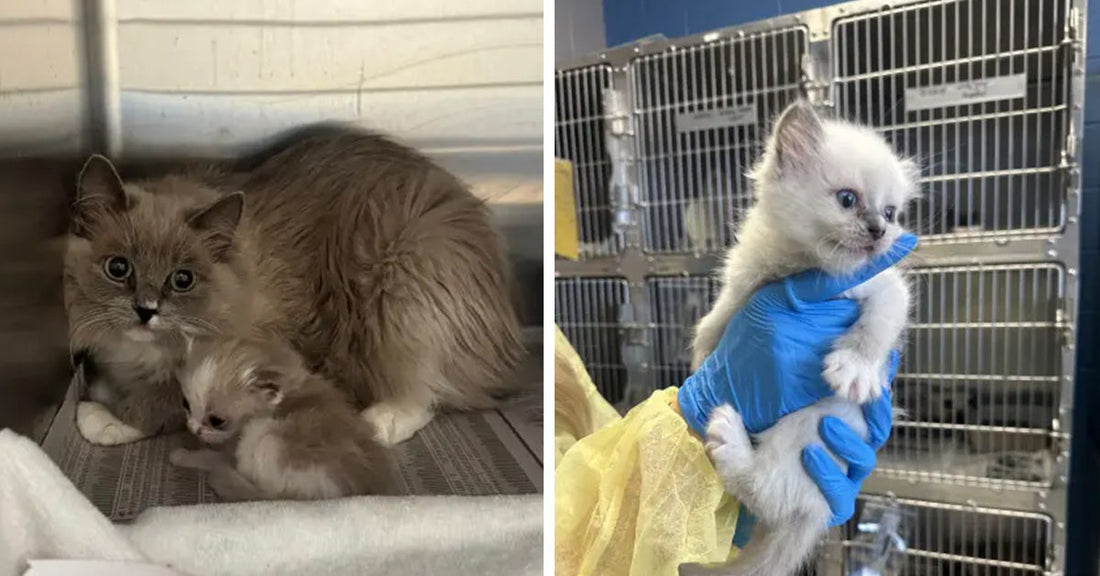
A recent rescue in Pennsylvania has brought global attention to the reality of animal hoarding and the pressures facing shelters everywhere. Authorities and animal advocates uncovered 78 Ragdoll cats and kittens living in conditions described as “too difficult to comprehend,” reminding readers that even highly prized pets can end up in desperate need. The story of these Ragdoll cats, a breed known for its bright blue eyes and gentle temperament, has resonated with people who care about animal welfare and the health of overcrowded shelters.
The Pennsylvania Society for the Prevention of Cruelty to Animals (PSPCA) reportedly stepped in after a tip alerted officials to a troubling situation inside a Lancaster County home. When PSPCA officers and local police entered, they found a chaotic environment. Piles of debris and trash stretched from floor to ceiling, with reports of feces and urine contributing to a harsh, ammonia-laden atmosphere. The PSPCA later explained that officers worked for hours in these physically demanding conditions to reach every cat and kitten inside.

The description of the air quality in the home highlights just how serious the situation had become. Rescuers faced extreme heat and dangerously high ammonia levels created by accumulated animal waste. In enclosed spaces, this combination can cause irritation to the eyes, nose, and throat, and can quickly lead to breathing difficulties for both people and animals. It is not simply an unpleasant smell, but a real health hazard. The charity described the home as among the most severe and “unimaginable” environments they had ever encountered.
Within this setting, 78 Ragdoll cats and kittens were found hiding and huddled throughout the filth. Many of them were reportedly frightened and sick, a heartbreaking contrast to how most people picture this popular breed. Ragdolls are known worldwide for their long, silky coats, striking blue eyes, and calm, docile nature. These traits have helped make them one of the most sought-after and expensive cat breeds. Seeing animals that are often associated with comfort and luxury instead living in neglect brought an added emotional weight to the rescue.
Despite the severity of the situation, there is a hopeful side to this story. All of the cats have now been moved to the PSPCA’s headquarters in Philadelphia. There, according to the organization, they are receiving forensic examinations, emergency veterinary care, nutritious food, and clean bedding. This shift from a toxic, crowded house to a safe and controlled shelter environment is a crucial first step in their recovery. For many of these cats, it may be the first time they have experienced consistent care and attention.
The public response to the rescue has been described as “completely overwhelming.” People have rallied around the story, expressing concern and offering support. At the same time, the PSPCA has emphasized that these cats are not yet available for adoption. They first need thorough medical evaluations and time to stabilize. As investigators continue to review the case, no official charges have been announced, and the focus remains on the health and wellbeing of the animals.
This incident also shines a light on a broader crisis in animal rescue, well beyond the borders of Pennsylvania. In Australia, for instance, shelters and rescue groups are facing intense strain. Recent figures from the RSPCA indicate that nearly 80,000 animals were taken in nationally during the 2024 to 2025 financial year. Of those, 26,734 animals were rehomed into permanent families. That still leaves a large number in care or facing uncertain futures, and it illustrates just how stretched these systems have become.
Australian shelters, like many around the world, are operating at or near maximum capacity. The causes are complex but familiar: rising living costs, housing pressures, and financial insecurity all influence an owner’s ability to keep and care for their pets. When people struggle with rent, bills, or unexpected expenses, even a beloved animal can become difficult to support. Shelters then absorb this pressure, working to provide food, veterinary care, and safe spaces for animals whose owners can no longer manage.
Local rescue groups in Australia continue to call on the community for help. They point out that not everyone needs to commit to a permanent adoption to make a real difference. Short-term foster care can be incredibly valuable, especially when shelters are full. Foster homes offer a quieter, more stable environment where an animal can decompress, heal, and adjust to home life while waiting for a permanent family. It can also free up critical space in shelters for emergencies similar to the Ragdoll cat rescue in Pennsylvania.
Beyond fostering or adopting, rescue organizations highlight other ways people can support animal welfare. Volunteering at a local shelter, donating funds, or providing essential supplies such as clean blankets, towels, and toys can all contribute to an animal’s comfort and recovery. Simple items often make life significantly better for pets in transition, giving them warmth, stimulation, and a sense of security during an uncertain time.
Stories like the Lancaster County rescue capture attention because they combine shock, sadness, and relief. They reveal how quickly situations can spiral into neglect and how much effort it takes to reverse the damage. They also underscore the importance of community vigilance. A single call in Pennsylvania led to the discovery of nearly 80 endangered animals and set in motion a coordinated response that may ultimately save their lives. In that sense, compassion and action from ordinary people play a key role in protecting vulnerable animals.
The Ragdoll cats now resting at the PSPCA’s Philadelphia facility symbolize both the fragility and resilience of animals caught in extreme neglect. Their future will depend on sustained care, thoughtful rehabilitation, and the willingness of future adopters or fosters to open their homes when the time is right. At the same time, shelters in places like Australia continue to manage record numbers of animals, highlighting that this is not an isolated problem but part of a wider pattern. Supporting local shelters, staying alert to signs of animal mistreatment, and considering foster care or adoption when possible can help prevent future “horror house” rescues and move more animals toward the safe, loving homes they deserve. Read more at https://nypost.com