
🚨Urgent: Rush Aid to People & Pets in Nepal's Devastating Floods! Help Now!
Rare Fin Whale and Calf Sighting Highlights New England Aquarium Conservation Efforts
Guest Contributor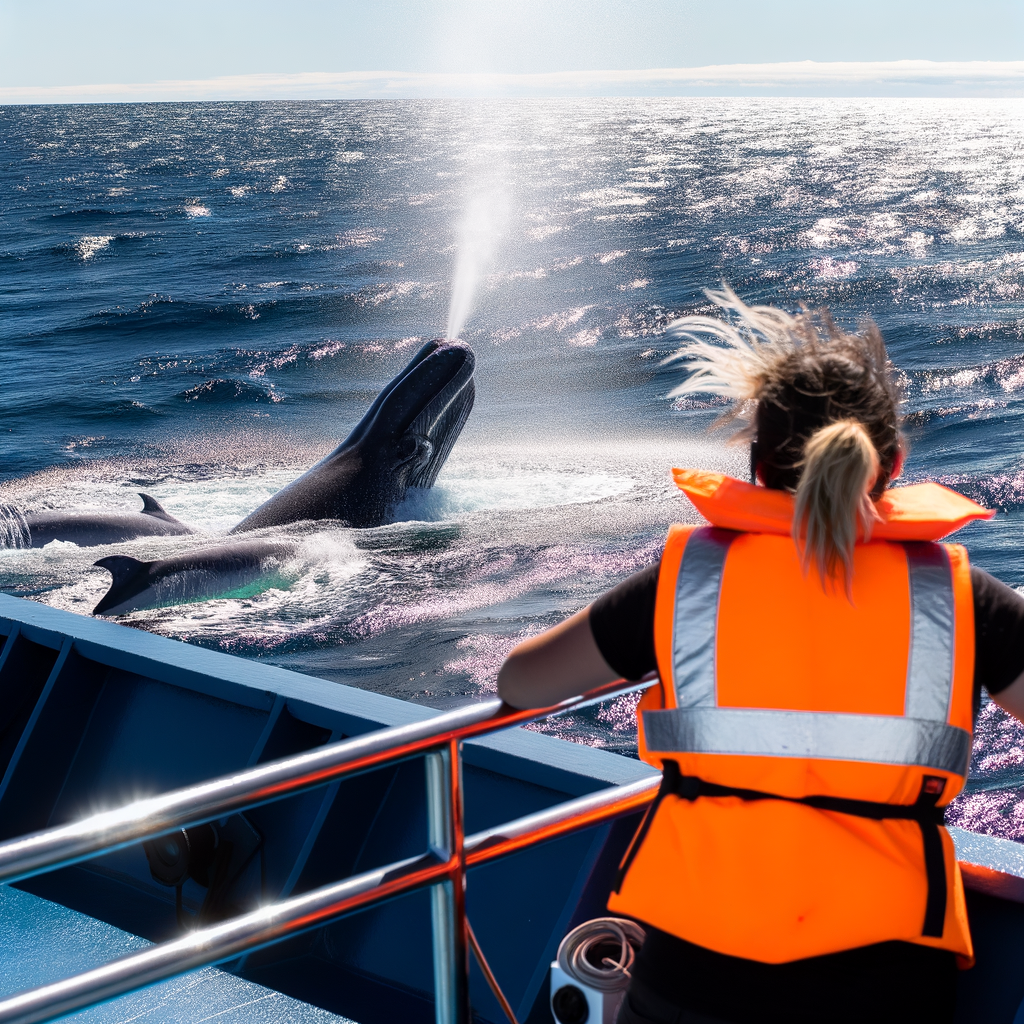
In a rare and remarkable moment for marine researchers, a recent aerial survey over the Northeast Canyons and Seamounts Marine National Monument captured footage of an endangered fin whale swimming alongside its calf. The sighting, which took place on July 24, was confirmed by scientists from the New England Aquarium and has drawn attention to the fragile beauty and biodiversity of the waters off Cape Cod. For those tracking endangered whale populations, this event underscores both the promise and the challenges of marine conservation in New England.

The fin whale, the second-largest whale species on Earth, can grow up to 85 feet in length and weigh as much as 80 tons. According to the Massachusetts Endangered Species Program, these giants of the deep can be found as close as 10 miles from the state’s coastline at various times throughout the year. Yet seeing a mother and calf together in these waters is especially rare. Assistant research scientist Kate Laemmle, who took part in the aerial survey, described the encounter as a “rare occurrence,” emphasizing the significance of this observation.

The sighting took place approximately 130 miles southeast of Cape Cod, within the protected expanse of the Northeast Canyons and Seamounts Marine National Monument. This 5,000-square-mile area features four underwater mountains and three deep-sea canyons, creating a unique marine habitat that supports a wide range of species. On the same flight, researchers documented over 1,000 marine animals, including seven fin whales, a humpback whale, two minke whales, more than 900 dolphins, and an endangered sperm whale.
“Each survey speaks to the remarkable array of biodiversity that we see in the Monument,” Laemmle noted. That biodiversity includes not only the fin whale and its calf but also other rare species that rely on this habitat for feeding and migration. The presence of these marine mammals during a single survey flight highlights the ecological richness of the monument and the importance of continued monitoring and protection.
I found this detail striking: despite the fin whale’s massive size and widespread historical presence, its population has been severely reduced due to past whaling practices. While commercial whaling has long since been banned, modern threats persist. Ship strikes and entanglement in fishing gear remain the leading dangers to fin whales today. These risks are particularly acute in coastal waters where maritime traffic and fishing operations are dense.
The timing of the calf’s appearance is also notable. Female fin whales typically give birth off the mid-Atlantic states between December and April, making this summer sighting of a mother and calf in northern waters a valuable data point for researchers studying migratory behavior and reproductive patterns. It suggests that the protected waters of the monument may serve as more than just a feeding ground—they could also be part of a broader migratory corridor that supports critical life stages for endangered whales.
Equally compelling was the sighting of a sperm whale during the same survey. With fewer than 6,000 believed to remain in the North Atlantic, sperm whales are among the most elusive and endangered of the large whale species. Known for their distinctive block-shaped heads and large brains, sperm whales have been observed south of Martha’s Vineyard and Nantucket during summer months. Their presence in the monument area reinforces the region’s importance as a habitat for endangered marine life.
To better understand and protect these species, researchers have turned to innovative technologies. Earlier this year, the New England Aquarium deployed high-tech buoys in Cape Cod Bay and off Cape Ann. These devices are designed to detect whale vocalizations, offering a non-invasive way to monitor the movements and behaviors of large whales, including the critically endangered North Atlantic right whale. This approach complements aerial surveys by providing continuous acoustic monitoring, even when weather conditions prevent flights.
The integration of aerial surveys and acoustic monitoring reflects a broader commitment to science-based conservation. By gathering data on whale sightings, vocalizations, and habitat use, researchers can inform policy decisions and advocate for protective measures such as vessel speed restrictions and seasonal fishing closures. These efforts are vital for reducing human impact on whale populations and ensuring that rare moments—like the sighting of a fin whale and its calf—become less rare in the future.
Encounters like this one serve as powerful reminders of what is at stake in marine conservation. The sight of a fin whale and its calf gliding through the waters off Cape Cod is not just a scientific event—it is a symbol of resilience, and a call to action. As long as threats like ship strikes and fishing gear entanglements persist, the work of researchers and conservationists remains essential. Protecting these animals requires not only monitoring and research but also public awareness and support for policies that safeguard their habitats.
Read more at cbsnews.com