
Rare Wild Moment When A Polar Bear Adopts A Cub That Is Not Hers
Guest Contributor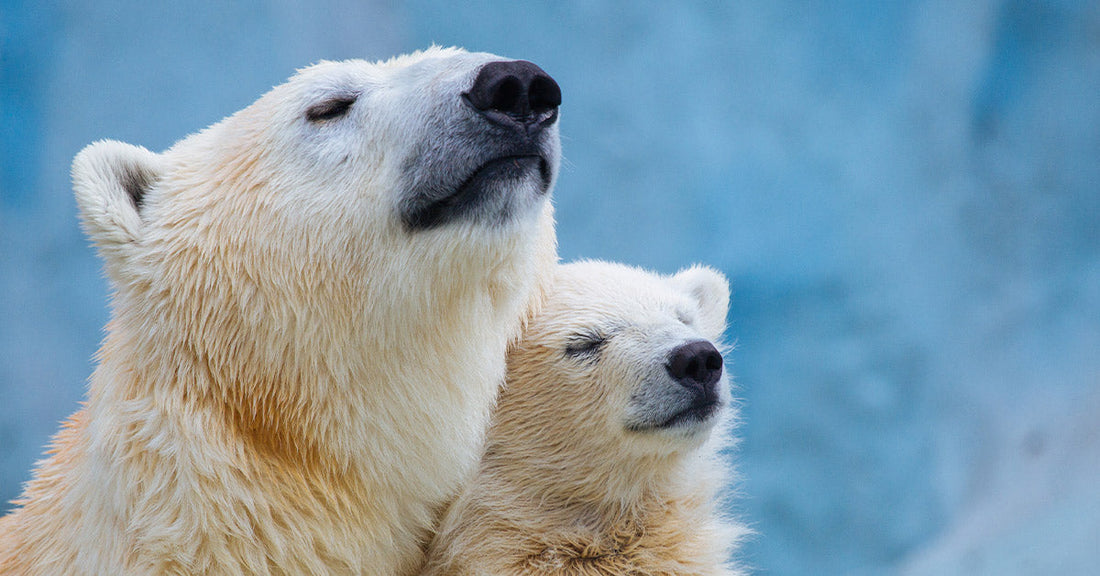
A quiet stretch of sea ice along Canada’s Western Hudson Bay has become the backdrop for an unexpected story of compassion in the animal world. During the annual polar bear migration in Manitoba, researchers filmed a wild female polar bear traveling with a cub that genetic evidence shows is not her own. In a species frequently associated with harsh survival strategies and fierce competition, this confirmed polar bear adoption has captured scientific and public attention alike.
Polar bears are often portrayed as the ultimate symbols of the Arctic wilderness. That image usually focuses on raw power, brutal winters, and a life shaped by scarcity. In scientific literature and wildlife documentaries, bears are known for behaviors that can be difficult for humans to watch, including infanticide and, at times, cannibalism. Against that backdrop, seeing a polar bear voluntarily care for a cub that is not genetically related to her stands out as something extraordinary.

The female in question, identified by researchers as bear X33991, was first encountered in the spring of 2025 as she emerged from her maternity den. At that time, she had a single cub, which researchers tagged for tracking and study. When scientists later saw her in the fall, she was no longer alone with one cub. Instead, she walked the ice with two small bears at her side. One was the originally tagged cub. The other had no tag at all, suggesting a different origin. This untagged cub sparked questions that field observations alone could not answer.
To resolve the mystery, researchers collected genetic samples from the newcomer. Lab analysis will help determine which female in the Western Hudson Bay subpopulation is the cub’s biological mother. While those results are still being evaluated, long-term data offer important context. Over more than 45 years of monitoring more than 4,600 individual polar bears in this region, scientists have recorded only 13 confirmed cases of adoption. That makes this new sighting rare but not entirely unprecedented in the scientific record.
Dr. Evan Richardson, a polar bear research scientist with Environment and Climate Change Canada, notes that these cases broaden understanding of polar bear maternal behavior. He explains that adoption is not always a simple matter of an orphaned cub being taken in by the nearest available adult. In some earlier observations, the biological mothers of adopted cubs were still alive, which suggests that these adoptions sometimes arise from a process researchers describe as “switching litters.” The details of how and why these switches occur in the wild remain a subject of study.
What is clear is that polar bear motherhood involves substantial risk and effort. A female must devote enormous energy to protecting, nursing, and teaching her young how to survive on the sea ice. Taking on an additional cub increases that burden. From an evolutionary perspective, it might appear counterintuitive for a mother to share limited resources with an unrelated youngster when she must already fight for her own offspring’s survival. That is partly why each new instance of polar bear adoption is so scientifically valuable. Each case offers another data point that may one day help clarify the conditions under which such behavior arises.
The survival odds these cubs face underscore what is at stake. Overall, the chance that any polar bear cub will live to adulthood is estimated at about 50 percent. That is a stark figure in itself, shaped by factors like food availability, climate, and dangerous encounters with other bears. Within this Western Hudson Bay subpopulation, records show that only 3 out of the 13 known adopted cubs have survived to adulthood. Still, researchers emphasize that having a mother at all significantly improves a cub’s chances compared to facing the Arctic alone.
From a behavioral standpoint, this story highlights the strength of polar bear maternal instincts. While it would be inaccurate to assign human emotions or motives to wild animals, the consistent willingness of some female bears to accept unrelated cubs into their care suggests that the drive to nurture can at times extend beyond strict genetic self-interest. I found this detail striking because it complicates a simple narrative of nature as purely “red in tooth and claw,” a phrase often used to describe the natural world’s more brutal tendencies.
That phrase appears especially stark when one considers what is typically known about bear behavior. In some circumstances, adult males may kill cubs, and resource scarcity can lead to lethal competition, even among individuals of the same species. Against this backdrop of natural selection operating at its most unforgiving, the image of a mother polar bear guiding and feeding a cub that is not her own introduces a note of nuance. It shows that while harsh realities do exist in the Arctic, they coexist with complex behaviors that scientists are still working to fully understand.
Captured on camera during migration, the footage of bear X33991 and her adopted cub offers more than a fleeting feel-good moment. For researchers, it is a data-rich example of rare behavior. For broader audiences, it serves as an entry point into the science of polar bear ecology and the long-term monitoring work that makes these insights possible. Such footage can inspire curiosity about how these animals live, how they respond to challenging conditions, and what enables some cubs to beat the long odds and reach adulthood.
Stories like this also highlight the value of patient, decades-long observation. Without a 45-year record of tagging and tracking thousands of individual animals, this adoption might simply have appeared as a mother of twins. Instead, scientists can identify it as a distinct and unusual event, link it to a known individual, and compare it with other documented adoptions in the same region. That context transforms one incident on the ice into a meaningful thread in a much larger tapestry of research.
For anyone who follows wildlife news, the tale of this Western Hudson Bay polar bear and her adopted cub offers a glimpse into the complexity of life in the far north. It shows that the Arctic is not only a realm of stark danger, but also a place where care and resilience take many forms that science is still working to map. For now, the sight of two cubs trailing close behind bear X33991 is a reminder that even in a landscape shaped by cold and competition, unexpected bonds can form.
As researchers continue to analyze the genetic samples and track the progress of these cubs, this rare adoption will remain a point of close attention. Whether or not the adopted youngster ultimately joins the small number that survive to adulthood, the case has already added a new chapter to what is known about polar bear families and the surprising ways they sometimes grow.