
Long Forgotten Shelter Dog Shows Everyone Who He Really Is
Guest Contributor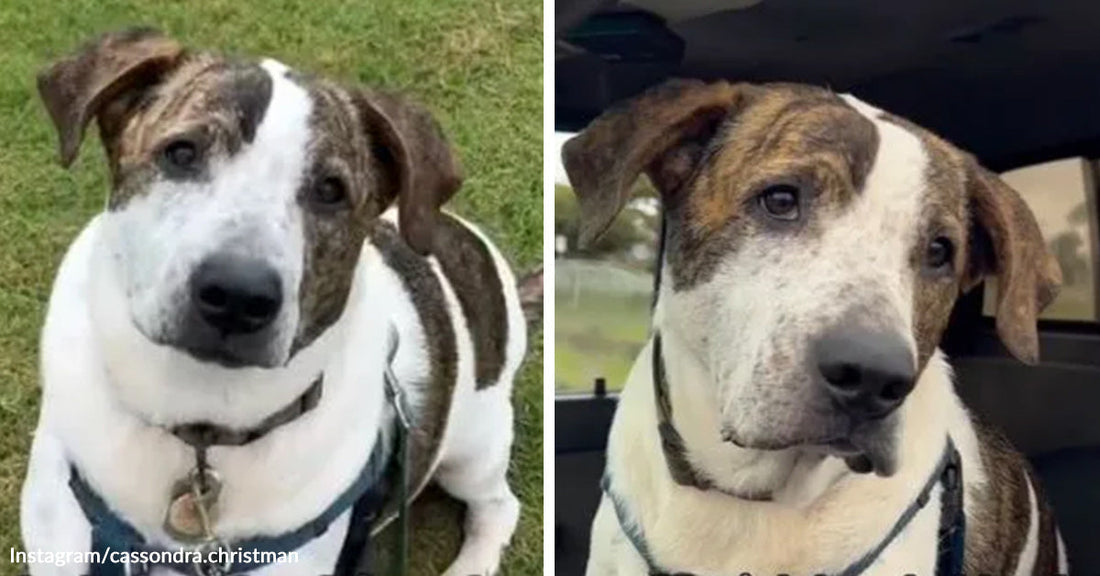
Finding the right home for a rescue dog can be a journey filled with hope, uncertainty, and a lot of patience. Every animal waiting in a shelter carries their own story, and for some, that story includes behavioral challenges that can make adoption more complex. One recent video highlights this reality in a powerful way, showing a shelter dog named Patrick doing everything he can to put his best paw forward during a long-awaited meet and greet. His story offers an honest look at what it means to adopt a reactive dog and why these dogs are still very much worth the effort.
Patrick is a 3-year-old shelter dog who has spent more than two years searching for a permanent home. That alone is striking, considering how many dogs are adopted far more quickly. In the clip shared by @cassondra.christman, viewers see Patrick at his very first official meet and greet with potential adopters. After such a long wait, the moment carried a lot of emotional weight for everyone involved. The video itself acts as a window into the careful preparation and hope that go into giving a dog like Patrick a real chance.

The Maui Humane Society describes Patrick as a reactive dog, which means he can be sensitive or unpredictable in certain situations, especially around new people or unfamiliar environments. Reactivity is not the same as aggression, though it is often misunderstood. It can look like barking, lunging, or heightened anxiety when a dog feels overwhelmed or unsure. For dogs like Patrick, new experiences can be intense, and introducing them to meeting strangers requires thoughtful planning and close attention to their comfort level.
Given that background, there was understandable concern about how Patrick would respond to a structured meet and greet. The stakes felt high. A negative interaction could potentially set him back or discourage potential adopters. At the same time, keeping him isolated from new experiences would not help him grow or find the right home either. The team and his foster mom had to strike a careful balance between protecting Patrick’s emotional safety and giving him the opportunity to show how far he had come.
What unfolded during that meeting surprised and encouraged the people who know Patrick best. In the video, he appears calm and relatively at ease as he is introduced to the prospective adopters. Instead of a display of reactivity, he gravitates toward his foster mom, staying near her as a secure base while he slowly takes in the environment. Viewers watch as he plays nearby, glances at the newcomers, and starts to warm up at his own pace. For a reactive shelter dog meeting strangers for the first time in such a formal context, that kind of composure is a meaningful victory.
Patrick is also shown walking alongside the potential adopters, accepting treats, and interacting in a way that looks engaged but not overwhelmed. These small behaviors carry a lot of significance. They suggest that the training and support he has received are making a difference and that he is capable of forming positive associations with new people. The video captures what can happen when a dog is given structure, patience, and the time needed to process a new situation instead of being rushed through it.
The meet and greet was not completely free of challenges. The post notes that there were moments where Patrick needed redirection, moments that reflected the reality of living with a reactive dog. Yet what stands out is his ability to recover. After being guided away or given a chance to reset, Patrick was able to settle himself again and return to a calmer state. That capacity to bounce back is a critical part of assessing a reactive dog’s readiness for adoption, and in Patrick’s case it appears to be a very hopeful sign.
For people considering adopting a rescue dog, especially one with behavioral needs, scenes like this are both educational and grounding. They show that progress with a reactive dog is not about perfection. Instead, it is about how quickly the dog can be redirected, how they respond to support from a trusted person, and whether they can regain a sense of safety. Watching Patrick navigate his first formal meeting with strangers highlights how valuable a consistent routine, clear training, and a secure relationship with a caregiver can be.
Despite all the positive aspects of the interaction, the adoption did not move forward. Patrick returned to waiting for the right match. The caption accompanying the video explains that he would do best with an experienced adopter who understands reactivity and is prepared to work with it long term. That requirement is not about labeling him as difficult. Instead, it reflects a commitment to finding a home where his needs will be recognized and met, where his coping strategies will be supported, and where his adopter will not be surprised when challenges arise.
Patrick’s story also speaks to the importance of ongoing support from shelters and rescue organizations. The Maui Humane Society is offering continued training and guidance to help him transition into a permanent home once he is adopted. For a potential adopter who might feel equipped in many ways but uncertain about specific training strategies, that kind of backup can be the difference between hesitating and deciding to welcome a reactive dog into their life. It reinforces the idea that adopting a dog like Patrick is a partnership between the new family and the professionals who already know him well.
There is a quiet, hopeful message running through Patrick’s story. Reactive dogs may not fit neatly into every home, and not every meet and greet will lead to an adoption. Yet these dogs are still capable of learning, adapting, and demonstrating deep bonds with people who invest the time to understand them. Watching Patrick walk calmly beside strangers, accept treats, and settle after moments of stress offers a glimpse of the companion he could be for someone ready to meet him where he is. As he continues to wait at the Maui Humane Society, supported by ongoing training and the care of his foster mom, his story invites viewers to look beyond first impressions and consider what a committed, informed adoption can make possible for a dog who simply needs the right match.