
Loggerhead Sea Turtles Shatter Georgia Nesting Record After Decades of Conservation Work
Guest Contributor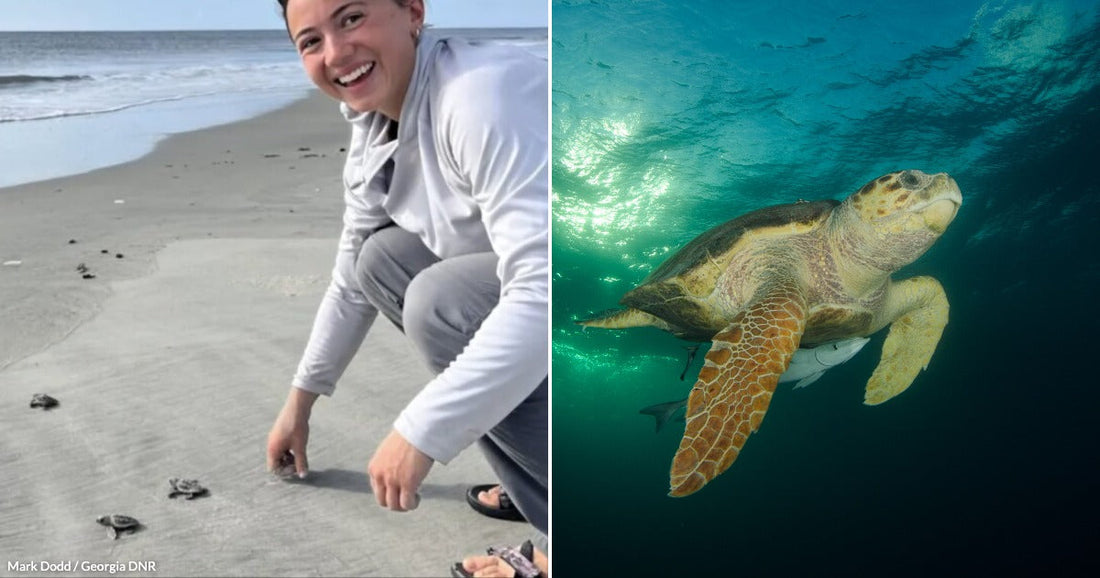
Loggerhead sea turtles are having a banner year along the Georgia coast, and the numbers tell a story that many conservationists have waited decades to see. Loggerhead sea turtle nests in Georgia have now set a 37-year record, signaling what wildlife officials describe as a slow buxat steady rebound for a species that has long been considered at risk. For anyone who cares about marine life and ocean health, this record-breaking nesting season is both hopeful and deeply significant.
According to the Georgia Department of Natural Resources (DNR), loggerheads were listed as threatened under the Endangered Species Act back in 1978. Since then, their fate has been closely tied to how well humans could reduce harm and protect their nesting grounds. The latest figures suggest that these efforts are paying off. The Georgia Sea Turtle Cooperative, a network of volunteers, researchers, and staff coordinated by DNR, recently reported that loggerhead nests surpassed 4,110, the most the state has seen since counting began in 1989. That milestone reflects years of persistent conservation work along Georgia’s barrier island beaches.

Mark Dodd / Georgia DNR
This 4,110 nest count breaks the previous high of 4,071 nests recorded in 2022. That earlier record had already stood out because it nearly doubled the original target that human experts had set in a formal recovery plan for the species. The fact that the goal has been exceeded offers a clear measure of progress, not just a hopeful anecdote. It shows that protective policies, careful monitoring, and public engagement can shift the trajectory for a threatened animal.
Wildlife officials emphasize that the story is especially encouraging because loggerheads develop so slowly. These sea turtles can weigh about 300 pounds as adults, yet they do not reproduce until they are roughly 30 to 35 years old. Mark Dodd, a senior wildlife biologist with DNR’s Wildlife Conservation Section and the Georgia Sea Turtle Program Coordinator, explains that this long life cycle creates a natural lag between conservation actions and visible results. What people are witnessing on Georgia beaches today is likely the outcome of decisions and protections that began decades ago.
The population of loggerhead sea turtles in the region does not rise in a straight line. Instead, it fluctuates from year to year, which can sometimes obscure longer term trends. Around 22 years ago, the situation looked far more dire. In 2004, Georgia’s nesting totals were estimated at only 358 nests, a record low for the state. Seeing that number in light of the current count underscores how remarkable the recovery has been so far. Even with natural ups and downs, the overall direction has been encouraging.

Since the early 1990s, the loggerhead nest count along Georgia’s Atlantic beaches has increased at an average rate of about 4 percent per year. That sustained growth is no accident. Each day during nesting season, members of the Georgia Sea Turtle Cooperative patrol the beaches at dawn, searching for new nests. When they find one, they carefully mark and protect it. This daily, methodical work helps safeguard eggs from disturbance and improves the chances that more hatchlings will reach the ocean.
Another key factor in the resurgence of loggerhead populations has been the use of “turtle excluder” devices in shrimp trawler nets. These devices have been widely used since 1990 to reduce the chance that sea turtles will be accidentally trapped and drowned during shrimp fishing operations. By providing an escape route for turtles while allowing shrimp to be caught, the excluders balance economic activity with marine conservation. Over time, fewer adult turtles lost at sea means more females can survive long enough to return to the beaches and lay eggs.
Loggerhead sea turtles spend almost their entire lives in the water, roaming the ocean as they grow and mature. Yet their survival depends on a relatively brief and vulnerable time on land. From May through mid-August, adult females, which can reach more than 3 feet in length, come ashore under cover of darkness. They slowly haul themselves up the beach, often toward sand dunes, and dig nests where they deposit clutches of about 100 eggs. The eggs themselves are about the size of ping-pong balls, and they incubate in the sand until tiny hatchlings emerge and scramble toward the sea.
This cycle of nesting and hatching has been unfolding for countless generations, yet in recent history it has been disrupted by coastal development, lights that disorient hatchlings, fishing pressures, and other human impacts. The record nest counts in Georgia suggest that focused protections can help restore this ancient rhythm. While it does not mean loggerheads are entirely out of danger, it indicates that the biological potential of the species is still strong when given space and safety.
Looking ahead, projections suggest that loggerhead nesting numbers in Georgia may level off in the near term. That kind of plateau can be natural after a period of steady growth. However, experts believe that if current protections remain in place, the population could begin to rise again from this new higher baseline. Dodd has noted that nesting might eventually reach levels not seen in the state since the 1950s, before modern pressures had taken such a visible toll.
This hopeful pattern is not limited to Georgia. Broader research has pointed to sea turtles rebounding worldwide as nests and habitats are better protected. Studies have documented improvements linked to targeted legislation, protected areas, and collaborations among governments, scientists, fishers, and volunteers. When seen in this context, Georgia’s record-breaking nesting season becomes part of a larger, global story about how focused conservation can help threatened species recover.
I found it striking that what appears today as a sudden surge in loggerhead nests is actually the delayed reward of actions taken decades ago. Because these turtles do not reproduce until they are well into adulthood, every nest on the beach represents a long history of survival through multiple challenges at sea. It also reflects years of patient work by people who walked the beaches at sunrise, adjusted fishing practices, and maintained protections even when numbers were low.
For turtle lovers, coastal communities, and anyone invested in ocean health, Georgia’s nesting record offers a moment worth celebrating and sharing. It demonstrates that sustained care can make a measurable difference for a species that once seemed on a very uncertain path. If those protections continue, the sight of loggerhead tracks in the Georgia sand could become even more common in years to come, connecting future generations with one of the ocean’s most iconic travelers. Read more at https://www.goodnewsnetwork.org