
🚨Urgent: Missile Strikes Shelter in Ukraine! Rush Emergency Aid!
Orphaned, Hairless Bear Cub Arrives Afraid And Now Looks Completely Unrecognizable
Guest Contributor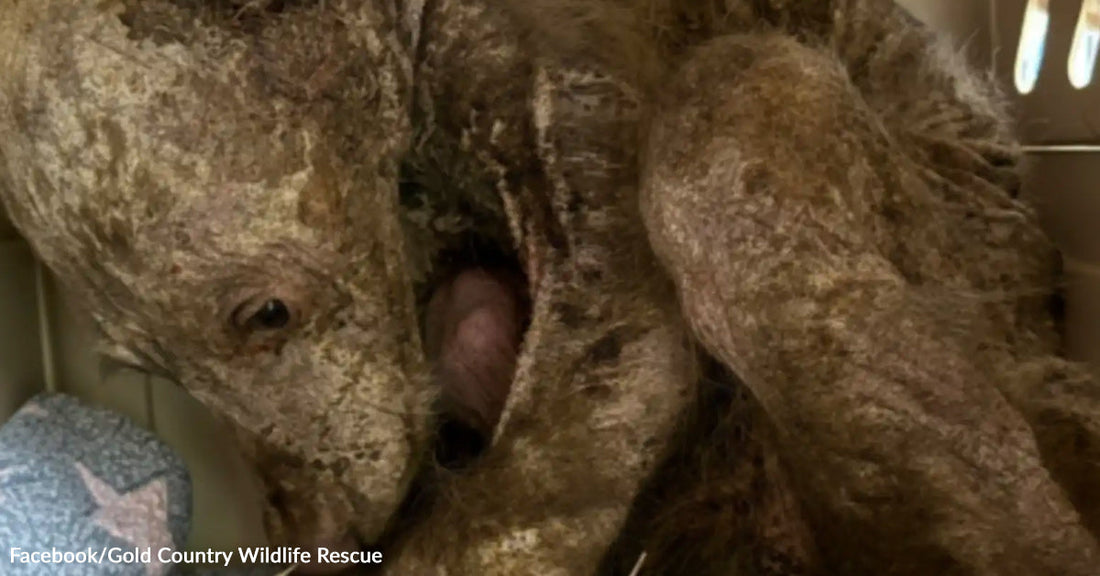
When a young black bear cub was found alone in El Dorado County, California, he was barely recognizable as a bear. Orphaned, dehydrated, and suffering from anemia and a severe skin infection, he had lost most of his fur and was visibly afraid. His condition was so dire that, according to Chelsea Engberg, marketing and outreach manager at Gold Country Wildlife Rescue (GCWR), “he didn’t even resemble a bear.” Yet, just a few months later, this same cub has made one of the most remarkable recoveries GCWR has ever witnessed.

Gold Country Wildlife Rescue, located in North Auburn, took the cub into their care in December. The team, experienced in rehabilitating wild animals, quickly developed a treatment plan tailored to the cub’s multiple health issues. While the road ahead was uncertain, their commitment to giving the orphaned bear a second chance was unwavering.
At first, the cub was timid and withdrawn. He stayed curled in his crate, staring down at his oversized paws. I found this detail striking—it painted a vivid picture of just how overwhelmed and vulnerable he must have felt. But even in those early days, the GCWR team saw a spark of hope. They provided medical treatment, nourishment, and a safe environment, all while minimizing human interaction to preserve the bear’s wild instincts.
As the weeks passed, small signs of improvement began to emerge. One of the first visible changes was the return of fur on his face. In a Facebook update, GCWR noted, “While it might not seem like a big change, the fact that we are starting to see fur fuzz grow on his face is an exciting next step in his healing journey.” This milestone marked the beginning of a transformation that would soon become nothing short of astonishing.
Gradually, the cub’s physical health improved, and with it, his personality began to shine through. He started using enrichment tools in his enclosure, such as a kiddie pool and a firehose hammock, which encouraged natural behaviors and play. These activities not only supported his physical rehabilitation but also helped maintain his wild instincts—a critical factor in determining his future outside of human care.
By February, the once-hairless and frightened cub had become almost unrecognizable. His fur had grown back, his posture was more confident, and his curiosity was evident. Engberg described the transformation as “one of the most amazing recoveries we have seen.” The bear’s progress was a testament to the resilience of wildlife and the dedication of those who work tirelessly to protect it.
While the cub’s recovery is a cause for celebration, his journey is not yet complete. Wildlife experts, including those from the California Department of Fish and Wildlife, will eventually decide whether he is a candidate for release back into the wild or if he will need to live in a protected sanctuary. Either outcome will be guided by what is best for the cub’s long-term well-being.
For now, the bear remains in the care of GCWR, where staff continue to monitor his health and behavior. They are careful to limit human interaction, reinforcing the cub’s natural wariness of people and increasing his chances of thriving in the wild. Engberg emphasized the importance of this approach, noting that the bear’s disinterest in humans is a positive sign of his readiness for potential reintroduction to his natural habitat.
The story of this young bear cub is one of resilience, expert care, and cautious optimism. It highlights the critical role that wildlife rescue organizations play in supporting animals in crisis and preparing them for a future that honors their wild nature. For those involved in his recovery, the cub’s progress is a daily reminder of the impact that compassion, patience, and science-based care can have on even the most vulnerable creatures.
As the cub continues to heal and grow, his story offers hope and inspiration to all who follow it. Whether he returns to the forests of California or finds a permanent home in a sanctuary, his transformation from a hairless, frightened orphan to a thriving young bear is nothing short of remarkable.