
One Year Old Rescue Dog Looks Like An Old Man After A Life Of Shocking Neglect
Guest Contributor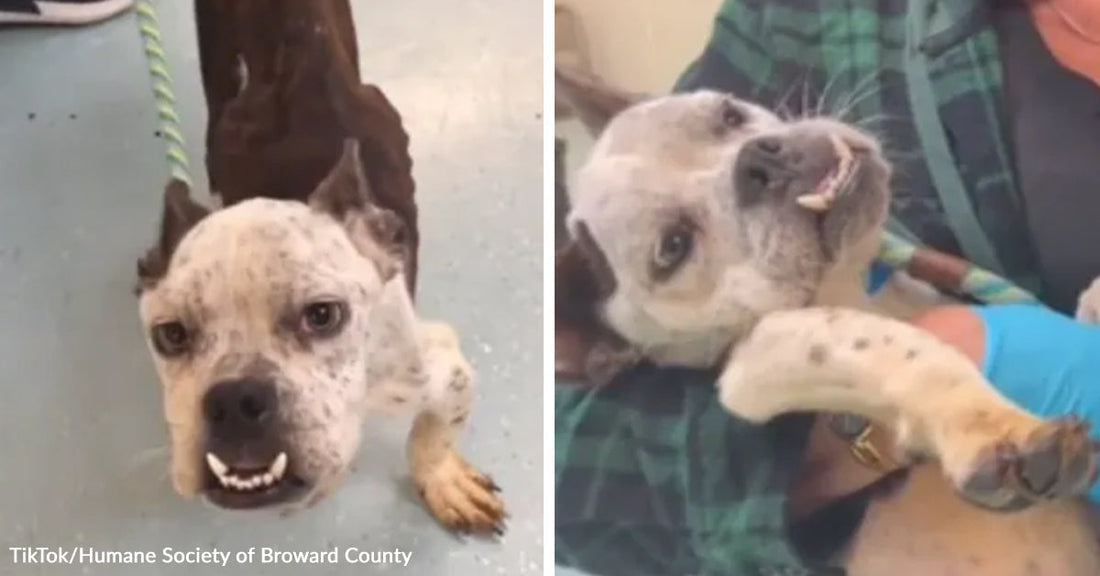
In a world where millions of dogs enter shelters each year, it can be easy for individual stories to blur together. Yet every so often, one case is so stark that it cuts through the noise and reminds people why animal welfare work matters. Grommett, a 1-year-old French bulldog mix, is one of those dogs. His story of neglect, rescue, and recovery shows both the cruelty some animals endure and the extraordinary compassion that local animal shelters can offer.
The American Society for the Prevention of Cruelty to Animals estimates that around 3.1 million dogs enter animal shelters in the United States every year. That number alone is sobering. Within that statistic, there are dogs surrendered by families, strays picked up by animal control, and those removed from dangerous or neglectful situations. According to staff at the Humane Society of Broward County, Grommett arrived in one of the worst conditions they had ever seen.

Grommett’s journey to safety began when an Animal Control officer in Broward County, Florida, confiscated him and brought him to the local Animal Control facility. From there, he was transferred to the Humane Society of Broward County so he could receive the intensive veterinary support he needed. The organization, which provides lifesaving care and shelter to more than 4,000 homeless pets every year, became the place where his long ordeal finally started to turn toward healing.
Staff at the shelter have shared that Grommett’s medical issues show clear signs of long-term mistreatment. Susan Leonti from the Humane Society of Broward County explained that his condition reflected a dog who had likely been caged for most, if not all, of his short life. When he arrived, he was severely emaciated, with visible signs of neglect throughout his body.
One detail that has resonated strongly with people following his story is how much older he appears than he is. In a video posted on TikTok by the shelter, viewers see a dog who looks like an elderly animal, though he is only a year old. The caption notes that Grommett “looks like an old man,” a description that captures how neglect can prematurely age and wear down a body. That contrast between his actual age and his appearance has made his situation especially striking.
The physical evidence of his suffering was extensive. His nails were grotesquely overgrown, so long that walking became painful and difficult. He showed scalding on his legs and feet, injuries associated with standing in his own urine for prolonged periods. These marks pointed to confinement in cramped, unsanitary conditions. On top of that, he had been in such a state of distress that he chewed through his own paw pad, an act often linked with intense anxiety or torment.
Despite how unsettling these details are, Grommett’s story is not only about harm. It is also about what can happen when a neglected animal finally receives care. Once in the hands of the Humane Society of Broward County, he began a thorough medical treatment plan designed to stabilize his health, manage his pain, and support his recovery. The organization covered and provided these treatments through its clinic, demonstrating what well-resourced shelters can do for animals who would otherwise have little chance of survival.
For the first time, Grommett is also experiencing something that many pets receive as a matter of course, yet he had been denied for most of his life: genuine affection and security. He has been placed in a medical foster home where caregivers can monitor his condition closely while also offering the calm, nurturing environment that is essential for emotional healing. While he is not yet available for adoption, his foster placement is an essential bridge between crisis and a stable future.
Leonti has already shared a vision of the kind of home where Grommett might thrive once he is ready for adoption. She describes his ideal forever home as one filled with love and comfort, something this “sweet dog has never known.” It is a simple wish, but for a dog whose early life appears to have been dominated by confinement, hunger, and neglect, it represents a profound change in what daily life could be.
I found it particularly striking how this single story highlights both the worst and best of human impact on animals. On one side is whoever allowed or caused a young dog to become so emaciated, with overgrown nails and scalded limbs. On the other is the coordinated response of animal control officers, shelter staff, veterinarians, and foster caregivers working to undo that damage as much as possible. Grommett’s case becomes a reminder that while cruelty is real, so is collective action to address it.
The Humane Society of Broward County hopes that Grommett’s journey will inspire people to support their local animal shelters and consider adopting their next pet from a rescue organization. Many dogs, especially those with medical needs or histories of neglect, rely on such facilities not just for temporary housing but for intensive rehabilitation. Grommett is a clear example of how even an animal who appears “forgotten” can still be given a second chance at life.
For potential adopters, stories like his offer perspective on what it means to bring a rescue dog home. It may involve extra patience, ongoing veterinary care, or careful attention to building trust. Yet it can also be profoundly rewarding to see a once-neglected animal slowly learn that the world can be safe, that food will come regularly, and that gentle touch does not have to be followed by pain. While the article does not provide details on Grommett’s personality, the care invested in him suggests that those who work with him see a dog worth every effort.
On a broader level, Grommett’s experience illustrates why community support for shelters is vital. Whether through donations, fostering, volunteering, or choosing adoption, that support allows shelters to say “yes” when a medically fragile dog arrives at their doors. Without that backing, many organizations would be forced to turn away animals who require intensive, long-term treatment. When people hear about a 1-year-old dog who “looks like an old man” because of neglect, the impulse to help can lead directly to better outcomes for dogs like him.
Grommett’s story is still being written. He is healing in a medical foster home, building strength, and learning what it means to live with care rather than confinement. Someday, if all goes as his caregivers hope, he will leave the shelter system behind and step into a forever home where he can simply be what he has always been underneath the injuries and fear: a young dog with many years ahead. For now, his case stands as a powerful example of why humane societies and animal rescues matter and how, even after severe neglect, a second chance is possible. Read more at Newsweek