
Rescue Dog Survivor Gets Justice Through Adopter’s Powerful Message
Guest Contributor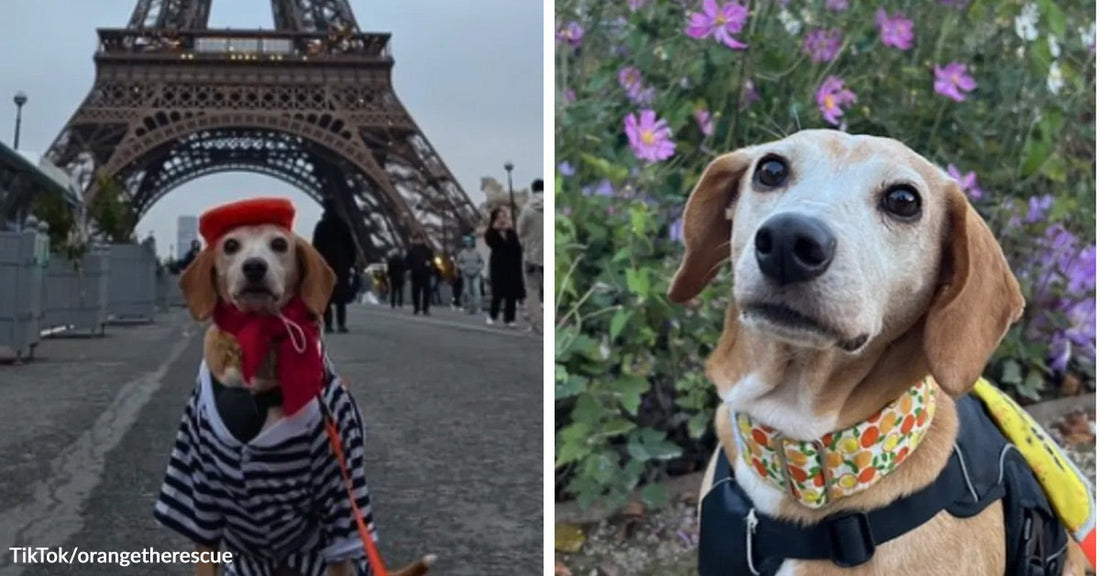
When a rescue dog survives something unimaginably cruel, the story often focuses on the happy ending: a warm home, full food bowl, soft bed, and new family. Yet for many dogs, especially those who have been abused, the past does not simply vanish. One recent story about a mixed-breed rescue dog named Orange shows how deeply trauma can linger, and how patient, consistent love can help a dog start to heal even when the scars of animal abuse never fully disappear.
Orange’s story began in North Macedonia, where volunteers with Dogs Club Rescue witnessed her being thrown from a moving car. She was found frantic and injured, her body covered in scars and bites, struggling with infected abscesses and clear signs of long-term neglect. Given her build and appearance, rescuers suspected she had been used for hunting and breeding, then discarded when she was no longer “useful.” It is a stark example of how some working dogs are treated as tools rather than as living beings with needs and emotions.

From there, her journey to a new life was long and uncertain. Orange was cared for by a woman named Tina before traveling over several days with other rescue dogs to the United Kingdom. Her adopters, Amanda Ciarka and her partner, Hayden, prepared themselves for a deeply shut-down dog, expecting a quiet and withdrawn companion who might take months to trust again. Instead, they met a dog who surprised them from the first day.
Despite everything she had endured, Orange arrived in the UK and quickly showed signs of affection and curiosity. According to Ciarka, she settled onto their sofa almost immediately. The very next day, she was already waiting at the door when they came home, wagging her whole back end in greeting. For many people who adopt traumatized dogs, this mix of resilience and vulnerability can feel almost miraculous: a dog who has every reason to be fearful still chooses to connect with new humans.
That early affection did not mean her trauma had vanished. Physically, Orange’s body told a different story. Only weeks after her adoption, she needed emergency surgery for a reinfected abscess. After that came a serious MRSA infection that left her with an open wound for around 10 weeks. During that time, she had to be kept on bed rest, confined to half of the living room to avoid spreading the infection and unable to enjoy regular walks. For a newly adopted dog, such restrictions can be confusing and stressful, and they can also slow the process of socialization and building positive associations outside the home.
Orange also developed canine reactivity, which is common in dogs with difficult histories. With the help of a professional dog trainer, Ciarka and Hayden worked to manage and improve this behavior. Their commitment reflects a key part of adopting a traumatized dog: love matters, but so do structure, training, and expert guidance. It is not always an easy path, and reliable progress often comes in small steps rather than dramatic transformations.
As Orange slowly healed, her new family began sharing her life online. They posted about her adventures, including a trip to Paris, where she posed happily in front of famous landmarks wearing a beret. These playful, charming images helped her gain fans in person and on TikTok. On the surface, it looked like a classic rescue success story: a once-abused dog now living her best life, enjoying hikes, pub lunches, and cozy couch snuggles.
Yet Ciarka wanted people to see the full picture. In a TikTok carousel that later went viral, she overlaid images of Orange living joyfully in the UK with text that addressed the person who had thrown Orange out of the car. The captions described the “lasting effects we don’t usually talk about.” Orange still cowers when someone picks up a sticklike object. She still startles at raised voices. She still carries a persistent fear of men and sometimes hides when she believes she has done something wrong. These are not dramatic outbursts but quiet, everyday reminders that trauma lives in a dog’s body and nervous system long after the visible wounds have healed.
One detail that stood out to many viewers was Orange’s habit of getting “zoomies” after meals. At first, her adopters found the post-meal sprints cute and funny, like many people do when their dogs suddenly race around with excitement. Later, a behaviorist suggested that this might be more than just play. The bursts of energy could reflect Orange’s astonishment at feeling full or the joy of finally experiencing food security after years of scarcity. I found this detail striking, because it shows how even seemingly adorable behaviors can carry a deeper emotional story when a dog has survived neglect.
More recently, veterinary care revealed that Orange needed around 20 teeth removed, likely the result of years of poor diet, harsh conditions as a hunting dog, or a complete absence of medical attention. For many rescue guardians, these discoveries come in waves: each new health issue is both painful and clarifying, another clue to what a dog has endured and what their body has quietly carried for years.
Despite all of this, Orange is far from a purely sad story. Ciarka describes her as goofy, clever, and consistently entertaining. She is deeply bonded with Hayden in particular, the two described as “two peas in a pod.” Orange enjoys exploring on hikes, relaxing in pubs, and snuggling at home. Her adopters make a point of taking her wherever they can, hoping to show her the best parts of the world after seeing some of the worst. Her life now is full of comfort and affection, and on most days, that is what shines through.
The emotional reaction to Ciarka’s TikTok post has been intense. Viewers expressed horror at what Orange went through and admiration for her resilience, as well as for the patience of her adopters. The story sparked an online conversation about animal trauma and the realities of adopting abused dogs. Many people shared similar experiences with their own rescues, finding comfort in knowing they were not alone in dealing with lingering fear, unusual behaviors, or incomplete “recovery.” For some dogs, the past never fully disappears, but that does not mean they cannot enjoy rich, happy lives.
Ciarka’s message is clear and grounded in her lived reality: owning a rescue dog can be incredibly rewarding, but it is not always light and easy. Love by itself does not erase a history of cruelty or neglect. Adopters may still see flinches at raised hands, nervousness around certain people, or unexplained reactions to ordinary household objects. Each small behavior can be a clue to something that once happened and a reminder of why thoughtful, patient care matters so much.
Orange’s journey from a moving car to a cherished member of a family in the UK reflects both the cruelty some animals face and the resilience they can show with the right support. Two years in a loving home have not erased her trauma, yet she is thriving, exploring, and enjoying a life that prioritizes her comfort and joy. Her story, and the viral conversation around it, highlights an important truth about trauma in rescue dogs: healing is often a long, uneven process, but with committed guardians and compassionate communities, even the most painful past can give way to a future filled with safety, kindness, and the simple pleasures every animal deserves.