
🚨Urgent: Missile Strikes Shelter in Ukraine! Rush Emergency Aid!
Reversing the Decline in Children’s Reading Skills Through Family Engagement
Guest Contributor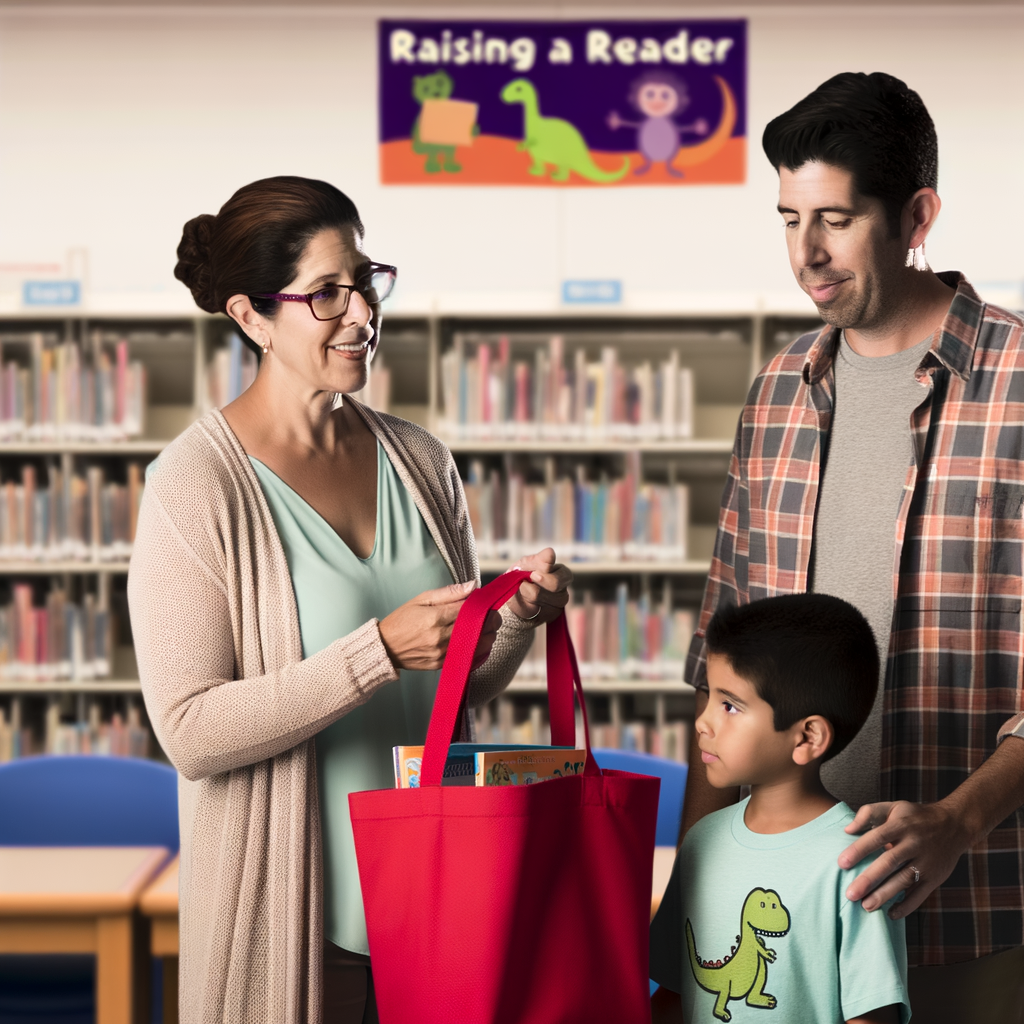
America is facing a deepening crisis in children’s literacy. According to the most recent National Assessment of Educational Progress (NAEP), reading scores among young students have dropped to their lowest levels in decades. With 40% of fourth graders and 33% of eighth graders now reading below a basic level, the implications are significant. These setbacks affect not only academic achievement but also long-term job prospects and overall well-being. As the nation seeks to understand the root causes of this decline, one organization, Raising a Reader, is urging a renewed focus on a factor often overlooked: the role of families in fostering early literacy.

The data, reported by The New York Times and highlighted by Michelle Torgerson, CEO of Raising a Reader, reflects a troubling trend that has only worsened since the pandemic. While experts debate possible contributors—such as increased screen time, chronic absenteeism, and evolving instructional methods—Torgerson emphasizes a foundational truth: literacy begins at home. This insight shapes Raising a Reader’s mission, which for over 25 years has been to empower families to build strong reading habits from the earliest years of a child’s life.
I found this detail striking: despite the wealth of research supporting the benefits of early reading routines, many families still struggle to access the tools and support they need. This gap is where Raising a Reader steps in, working with schools, libraries, early childhood programs, and community organizations to connect families with high-quality, developmentally appropriate books. Their approach is not only about access but also about engagement—helping parents and caregivers make reading a joyful, consistent part of daily life.
At the heart of their strategy is the Classic Red Book Bag Program, which circulates diverse, award-winning books into homes across the country. The program is designed to make reading a shared activity, encouraging routines that are as natural and regular as brushing teeth. Raising a Reader also offers guidance on interactive reading strategies, giving families practical tools to make storytime more engaging and impactful. These efforts are grounded in research showing that children who are read to regularly are more likely to develop strong language and literacy skills, setting them up for long-term success.
Another key aspect of the organization’s work is building partnerships that reinforce the importance of shared reading. By collaborating with educators, pediatricians, and community leaders, Raising a Reader ensures that families receive consistent messages about the value of reading together. This multi-layered support system helps create a culture of literacy that extends beyond the classroom and into everyday life.
The emphasis on family engagement in early literacy is more than a programmatic choice—it’s a response to a national emergency. As Torgerson notes, the alarming drop in reading scores is not irreversible. With the right investments and a collective focus on what works, there is a path forward. That path involves expanding access to books, promoting daily reading habits, and recognizing families as essential partners in their children’s education.
What stands out in Raising a Reader’s approach is its commitment to equity. By providing diverse books that reflect the experiences of all children, the organization helps foster a sense of belonging and relevance in reading. This inclusive strategy not only supports literacy development but also encourages empathy, curiosity, and a love of learning.
The current literacy crisis may be daunting, but it also presents an opportunity to recommit to practices that have long been proven effective. Strengthening early reading routines, especially within the home, can have a profound impact on children’s academic trajectories. As communities across the country search for solutions, the work of Raising a Reader offers a model worth emulating—one rooted in evidence, driven by collaboration, and centered on the power of shared reading.
For those looking to make a difference, getting involved with organizations like Raising a Reader can be a meaningful step. Whether through volunteering, supporting local literacy initiatives, or simply making time to read with a child each day, everyone has a role to play in reversing the decline in children’s reading skills. After all, as Raising a Reader reminds us, when we read together, we grow together.