
🚨Urgent: Hurricane Isaias Smashes Into the Gulf Coast! Rush Emergency Aid!
Ride for Veterans Raises Awareness About Veteran Suicide and Support
Guest Contributor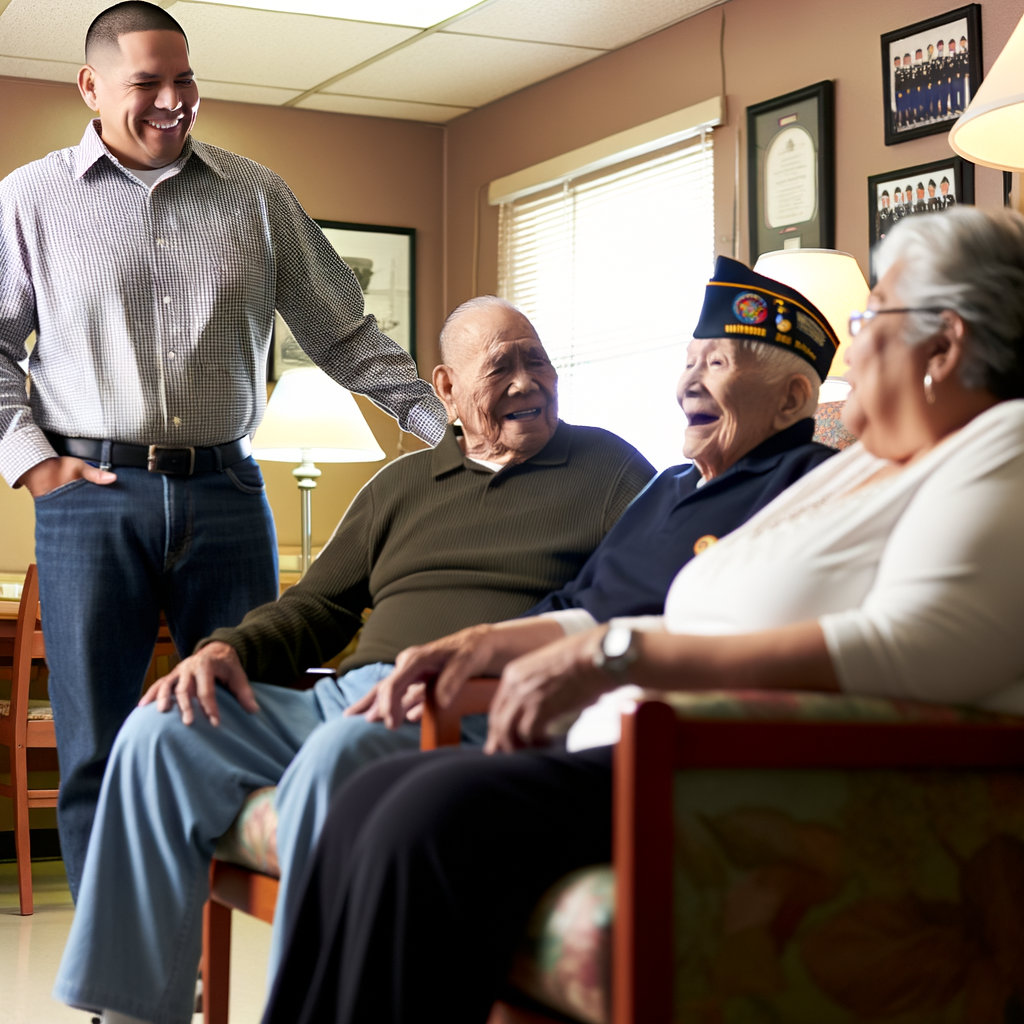
For many veterans, the transition from military service to civilian life presents both challenges and opportunities. In a recent feature from KSNT’s “Veteran Salute,” James Greer, a U.S. Army veteran from Topeka, Kansas, shared how his time in the military shaped his identity and continues to influence his mission to support fellow veterans. His story offers a powerful reminder of the lasting impact of military service and the importance of community support for those who have served.

Greer served five years in the Army, achieving the rank of Specialist and taking on the role of Platoon Leader. He credits the structure and discipline of military life for molding his character and instilling values that continue to guide him today. “My service in the military is the reason I am who I am,” Greer said. “It means everything to me.” He emphasized that the skills and mindset he developed during his time in uniform still shape the way he carries himself and lives his life. His reflections highlight how military discipline can leave a lifelong imprint on those who serve.

Returning home from combat, Greer experienced a complex mix of emotions. He described feeling a deep sense of pride as he stepped off the plane and reunited with his family, especially his father. Yet, that pride was accompanied by a profound sense of guilt for those who did not make it back. “I felt guilt of the ones that didn’t,” he said. This emotional duality is familiar to many veterans and underscores the psychological toll that military service—and survival—can exact.
One statistic in particular spurred Greer to take action. He learned that an average of 22 veterans die by suicide each day in the United States. What shocked him even more was that 65 percent of those individuals are over the age of 50. At the time, Greer was 52. “I was in shock,” he said, realizing that many of those lost could have been his former comrades, men he fought alongside in combat. This revelation became a turning point.
Determined to raise awareness about veteran suicide and to support those struggling with the transition to civilian life, Greer launched a personal mission. He bought a dirt bike and committed to riding to the Arctic Circle and back within 22 days—symbolizing the 22 veterans lost each day. Sleeping in a tent with a Walmart sleeping bag, he completed the journey in just 18 and a half days. This solo ride became the foundation for what would soon evolve into a nonprofit organization: Ride for Veterans.
Today, Ride for Veterans is more than a symbol; it’s a vehicle for real change. Each year, Greer rides a minimum of 2,200 miles to honor the lives of veterans and bring attention to the issues they face. The organization also donates to veterans in need and has launched an ambitious initiative to visit every veterans care home across the United States. Greer believes that these visits are essential for reminding veterans that they are not forgotten. “People forget what you do in life. People are going to forget what you say, but people never forget how you make them feel,” he said. His words reflect a deep understanding of the human need for connection and recognition.
Veteran suicide awareness, veteran support organizations, and the emotional challenges of returning home from combat are all critical issues that Greer’s story brings to light. His efforts show how individual action can ripple outward, creating a broader impact. What began as a personal journey has grown into a national mission, driven by compassion and a commitment to service that did not end when his military career did.
This story struck me for its honesty and emotional depth. Greer’s willingness to confront his own struggles and channel them into a force for good is both moving and inspiring. It reminds us that behind every statistic is a person, and behind every uniform is a story worth hearing.
Greer’s experience also serves as a call to action. Whether it’s through visiting a local veterans home, supporting a nonprofit, or simply listening to a veteran’s story, there are countless ways to show appreciation and solidarity. As Greer demonstrates, even the smallest gestures can have a lasting impact.
To learn more about Ride for Veterans and how you can support their mission, visit their official channels or follow local coverage that highlights their ongoing work. For more stories like this, read the full feature at ksnt.com