
Driver Finds an Otter Injured Beside the Road and Refuses to Leave Him There
Guest Contributor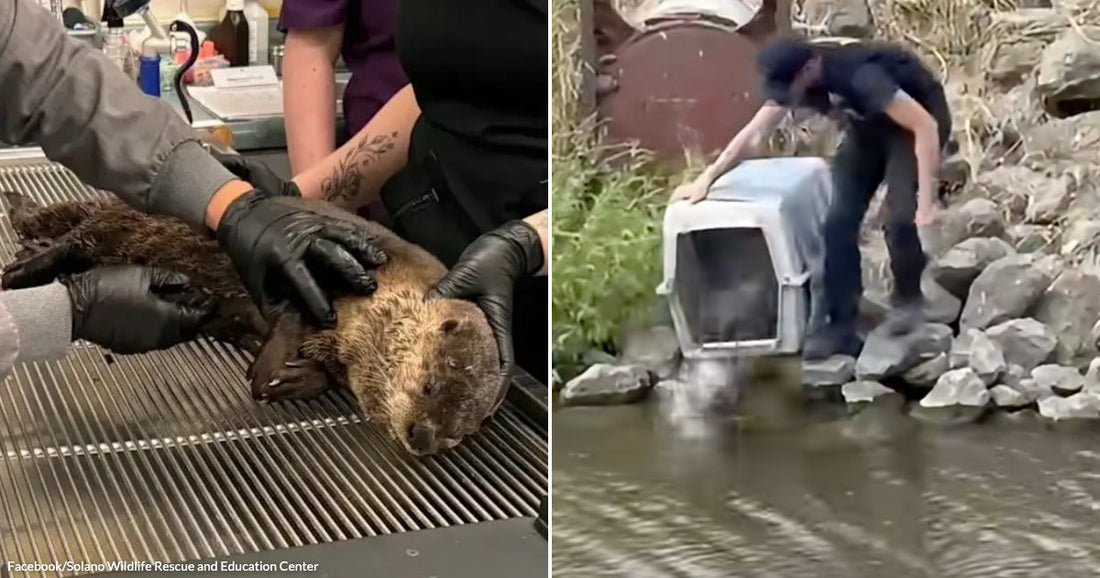
A quiet stretch of road in Vacaville, California, turned into the setting for a rare bit of hopeful wildlife news, as a river otter struck by a car not only survived head trauma but has now returned to the water. In a world where wildlife-vehicle collisions often end in tragedy, this river otter’s story highlights how local rescue groups, careful planning, and quick action can give injured animals a genuine second chance. For anyone interested in California wildlife rescue or the challenges animals face near busy roads, this rescue offers both insight and inspiration.
According to reporting on the case, the incident happened around 1 a.m. on August 14 near Leisure Town Road and Foxboro Parkway in Vacaville. A driver came upon the injured otter following a collision and alerted rescuers. The animal had suffered head trauma, a serious and often fatal injury for small mammals, yet examinations showed no broken bones. That single bit of good fortune created a window for rehabilitation and, eventually, release.

The Solano Wildlife Rescue and Education Center quickly became the focal point for the otter’s care. The group shared updates on Facebook, describing how the rescue involved many hands and a coordinated effort. They emphasized that “it truly took a village” to stabilize the animal, monitor its condition, and support its recovery. I found this detail striking because it captures the reality that behind every short wildlife headline there are veterinarians, volunteers, transporters, and donors quietly doing the work that makes outcomes like this possible.
As the otter healed, the rescue center weighed the ultimate question that hangs over every wildlife rehab case: not just whether the animal can survive, but whether it can return to its natural behaviors and environment. The fact that the otter was an adult river otter carried particular significance. Adult animals often already hold territory, have learned foraging routes, and may have family groups or partners. The rescue organization understood that simply releasing the otter into any safe body of water would not be enough.

Facebook/Solano Wildlife Rescue and Education Center
Instead, Solano Wildlife carefully planned a release site near the animal’s established home range. Before the release, they shared that this was a deliberate decision. The goal was to bring the otter back as close as possible to its familiar waterways and territory, which supports both its survival and the stability of the surrounding ecosystem. By returning the otter to an area it already knew, the group sought to reduce confusion, limit the chances of unnecessary wandering, and allow it to quickly reconnect with its usual patterns.
When the day finally came, the center posted footage of the river otter’s release. The video showed the animal emerging and then quickly swimming away, an encouraging sign that it retained the instincts and strength needed for life in the wild. The rescue team’s caption conveyed both relief and gratitude, sharing how thankful they were for everyone who contributed time, expertise, and resources to help this one animal get back home. They also expressed a simple wish for the future, cheering the otter on as it reentered its natural world.

Facebook/Solano Wildlife Rescue and Education Center
This case places a spotlight on an issue that increasingly shapes life for many species: the intersection between wildlife and human infrastructure. Vehicle strikes are a widespread hazard for wild animals, especially on roads that intersect with habitat or follow waterways. Nocturnal and crepuscular animals in particular can be at risk since they are active during hours when visibility is low and drivers may not expect to encounter them. Even healthy animals that are simply roaming, hunting, or traveling to new feeding grounds can suddenly find themselves in danger when roads bisect their routes.
For many animals struck by cars, the outcome is not as hopeful as it was for this otter. Internal injuries, broken bones, and severe trauma often mean that rescue organizations either never receive a call in time or that the animals are too injured to recover. This is one reason that local rehabilitation centers and wildlife responders focus so strongly on rapid response, specialized care, and the ability to make informed decisions about treatment and release. Their work can mean the difference between a fatal incident and a story of recovery.
The river otter’s successful rehabilitation also points to how interconnected individual rescues are with broader conservation trends. Across North America, river otters are reappearing in some urban and suburban waterways, from Baltimore and Norfolk to other revitalized rivers and wetlands. At the same time, other stories show how animals continue to struggle in developed landscapes. Reports from places like Catalina Island describe how cars have killed island foxes even after their populations rebounded, while along parts of the West Coast, researchers track rare otter species that are only just starting to return after more than a century away.
When looked at together, these examples reveal a complex picture. Many species are adaptable and resilient, capable of living near people, roads, and cities, yet that proximity introduces ongoing risk. Incidents like the Vacaville collision are not isolated events. Instead, they are part of a larger pattern that tests how well communities, planners, and residents can support coexistence with wildlife through responsible driving, habitat protection, and infrastructure choices that acknowledge animal movement.
Local rescue centers occupy a unique and vital position within this picture. The Solano County Wildlife Rescue and Education Center has asked for donations to help cover the cost of care not just for this river otter but for many animals that arrive with injuries or illness. Rehabilitation often requires diagnostic tests, medication, specialized enclosures, and weeks or months of monitoring. Community support, whether through small donations, volunteer hours, or sharing information about injured animals, allows these organizations to act quickly when every hour counts.
In this specific case, the payoff is clear. The river otter is now back near its original home territory with what rescuers describe as a strong chance to regain its foothold in the local ecosystem. Returning a wild animal to its family area is not only an emotional victory for those who helped, it also maintains social structures and ecological balance that are not always visible at a glance. The otter’s presence contributes to the health of waterways, fish populations, and riparian systems that support countless other species.
Stories like this one do not erase the larger challenges wild animals face on modern landscapes, yet they do offer a meaningful counterpoint. They show that individual actions matter, that community-funded organizations can change outcomes, and that careful, science-informed decisions about where and how to release rehabilitated animals can improve long-term survival. For readers who want to learn more, related reports on other otter rescues, island fox fatalities, and the role of sea otters in restoring coastal ecosystems provide important context for understanding why this Vacaville otter’s return to the water is about far more than one fortunate animal on one late night. Read more at https://malaysia.news.yahoo.com