
A Man Told Barking Dogs To Shut Up Then Shot One Dead
Guest Contributor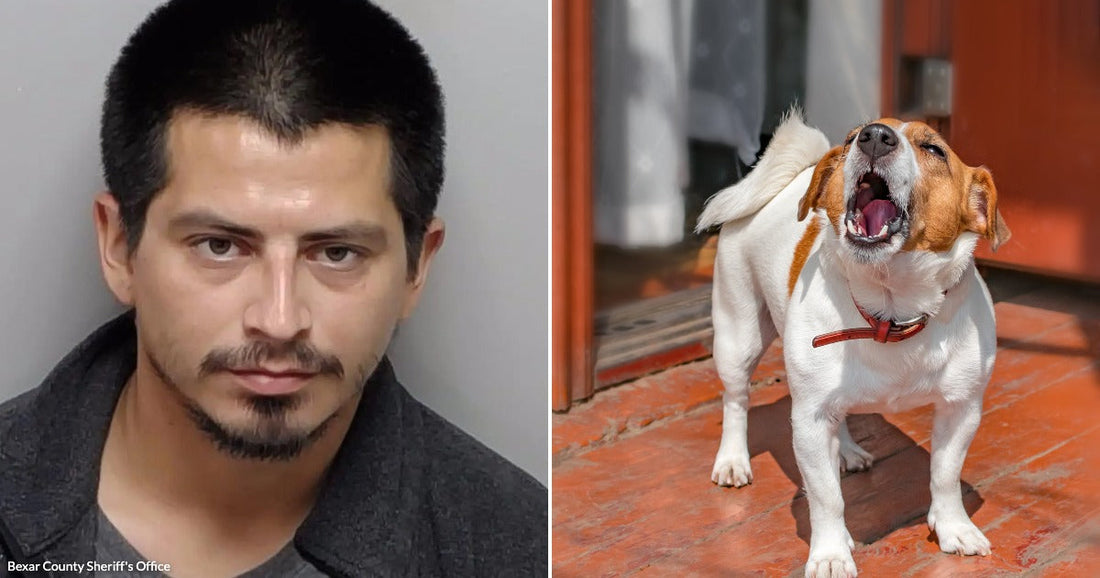
The report of a San Antonio man allegedly walking up to a neighbor’s yard, telling two barking dogs to “shut up,” and then firing a rifle is disturbing on several levels. Incidents of animal cruelty, particularly a neighbor shooting a dog, can deeply affect not only the family involved but also an entire community’s sense of safety. In this case, the arrest of 28-year-old Mario Rosalio Avila on a charge of cruelty to a non-livestock animal has drawn attention to how quickly everyday tensions can escalate into violence.
According to the arrest affidavit, the early morning encounter unfolded on Ozalid Lane on the city’s Southwest Side, near the Poteet Jourdanton Freeway. Investigators stated that at about 7:20 a.m. on July 10, Avila arrived in a gray SUV and parked at his sister’s home, which is next door to the house where the dogs lived. He then walked to the neighboring property carrying a rifle. The affidavit describes how he approached the two dogs in the owner’s yard, spoke sharply to them, and then allegedly shot one of the animals, killing it.

What makes this account especially unsettling is that it appears to involve people who were not strangers to each other. The affidavit notes that Avila, the dog owner, the dog owner’s brother, and a witness across the street all knew one another. Neighbor disputes and irritation over barking dogs are familiar issues in many communities, yet here the conflict is described as jumping directly from noise to lethal violence. I found this detail striking, because it underscores how a breakdown in communication and self-control can have irreversible consequences.
After the shot was fired, investigators say Avila walked back to his SUV and drove away from the scene, heading north on Ozalid Lane toward his own home. The dog’s death was not only heard but reportedly seen by others on the street. The dog owner’s brother contacted police to report the shooting, bringing law enforcement into what might initially have seemed like an ordinary morning in the neighborhood.

A witness who lives across the street from the dog owner told detectives that he heard the gunshot and then looked toward the property. According to the affidavit, he saw Avila holding a rifle and looking in his direction. In a quiet residential street, that kind of moment can feel surreal. One second a person may be going about their normal routine, and the next they are staring at someone allegedly holding a firearm after a shot has been fired. For neighbors, a scene like that can permanently change how safe they feel in their own front yards.
The report also notes that the incident was captured by a security camera. Video evidence can play a significant role in cases involving animal cruelty and gunfire in residential areas, because it may provide investigators with a clearer sequence of events than memories alone. In many neighborhoods, cameras on doorbells, eaves, and porches have become silent witnesses to conflicts, accidents, and crimes. When those images show weapons being used against pets, it often resonates deeply with the public, particularly with those who view companion animals as family members.
Avila was later arrested and charged with cruelty to a non-livestock animal by killing or poisoning, a serious allegation that reflects how state law treats violence against pets. He was booked into the Bexar County jail and later posted bond, then was released. According to the report, authorities quickly moved on the case. Police obtained a warrant for his arrest the day after the shooting, indicating that investigators believed they had gathered sufficient information from witnesses and the security footage to move forward.
Stories like this highlight how important it is for communities to take animal cruelty seriously. When a neighbor shoots a dog, it is not only an act of harm against an animal but also an event that can frighten and unsettle everyone nearby. For many households, dogs function as companions, protectors, and sources of emotional comfort. The sudden loss of a pet to violence can be devastating to a family and especially painful for children who may not fully understand why something so terrible occurred.
In addition to the emotional impact, the presence of a firearm in what appears to be a non-emergency situation raises safety concerns. Firing a rifle in a residential area carries risks that go beyond the intended target. Bullets can ricochet or travel farther than expected, creating the potential for unintended injuries or damage. That is one reason communities rely on clear laws that limit when and where firearms can be used, as well as laws that address cruelty to animals.
While the affidavit offers a straightforward outline of what investigators believe happened, it does not provide deeper background on whether there had been previous disputes over the dogs or earlier tensions on the block. Without speculating, it is important to note that conflict between neighbors is common, yet most disagreements do not escalate into violence. This case serves as a reminder that when frustration builds, seeking help from local authorities, animal services, or mediation resources is far safer than resorting to force.
For readers who share their lives with pets, this story may stir anxiety about what could happen if a neighbor ever lost patience with barking or other typical animal behavior. It also invites reflection on what steps can be taken to reduce friction, such as training dogs to minimize excessive noise, discussing concerns calmly and early, and knowing when to involve non-emergency community resources before anger boils over. None of those steps guarantee harmony, yet they can create paths to resolution that do not involve tragedy.
At the same time, this incident underscores how important it is to document and report acts of violence against animals. In this case, a family member of the dog’s owner called law enforcement, and a neighbor came forward with an eyewitness account. The presence of security footage further strengthened the evidence, according to the affidavit. That combination of community response and technology gave investigators a clearer view of the events and allowed them to move swiftly to obtain an arrest warrant.
As this case proceeds through the legal system, more details may emerge in court about the relationships between the individuals involved and the circumstances leading up to the shooting. Whatever those details turn out to be, the initial report already raises difficult questions about responsibility, restraint, and the value placed on the lives of animals who share our neighborhoods and our homes. It also reinforces the idea that even in familiar surroundings and among people who know each other, violence can erupt with little warning when anger and access to weapons collide.
The story of what allegedly took place on Ozalid Lane is sobering, and it will likely linger in the minds of neighbors who heard the shot or later watched the security video. It is a reminder that safeguarding both animals and community members requires more than laws alone. It depends on everyday choices about how to manage frustration, how to treat other people’s pets, and how to resolve conflicts without reaching for a weapon. Read more at https://www.expressnews.com