
🚨Urgent: Missile Strikes Shelter in Ukraine! Rush Emergency Aid!
Wobbly Shelter Puppy Keeps Falling Down but Refuses to Let His Disability Steal His Joy
Guest Contributor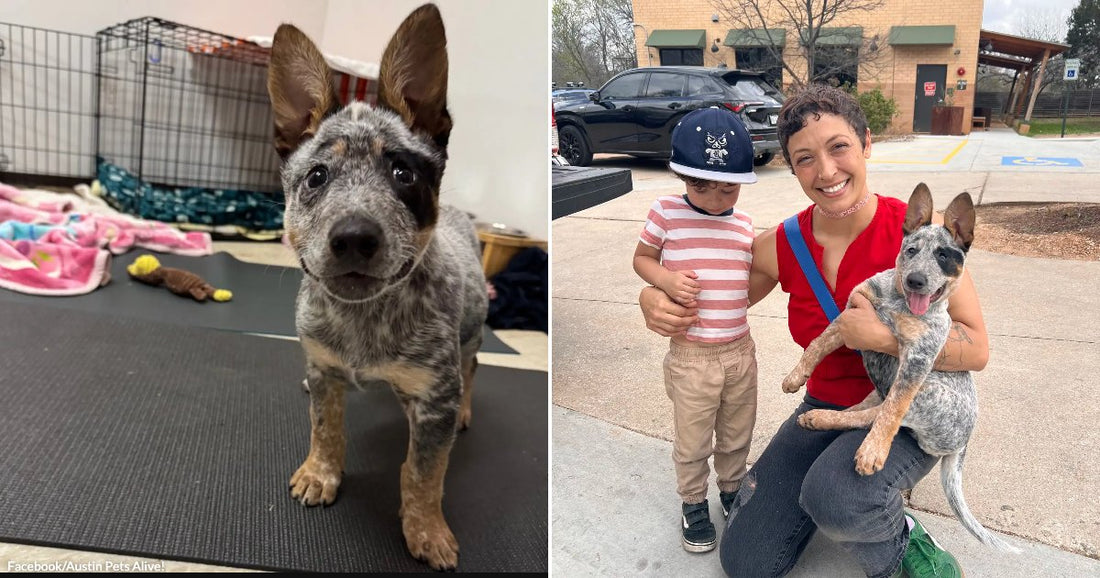
The story of Marathon, a shelter puppy who keeps falling over and has no idea he is different, is both tender and remarkably uplifting. In a busy rescue environment where many animals pass through every day, this wobbly little dog immediately stood out. The staff at Austin Pets Alive! (APA!) quickly realized that something about his movement was unusual. He stumbled, tipped to the side, and seemed unsteady with almost every step. What they were seeing was not simple clumsiness. It was an early sign of cerebellar hypoplasia, a neurological condition that affects balance and coordination.
When the medical team at APA! took a closer look, they confirmed that diagnosis. For such a young puppy, this raised a difficult question. How would cerebellar hypoplasia shape his life as he grew? For a 3-month-old just learning how to be a dog, the world is already big, new, and confusing. Adding a neurological difference into the mix could easily make ordinary experiences much harder. Yet as the staff watched Marathon move, they began to see something extraordinary. He would wobble, lose his balance, and fall. Then, every single time, he would get right back up again.

Marathon did not seem to view falling as a setback. For him, it was simply part of the process of running and playing. According to APA!’s director of public relations and communications, Luis Sanchez, Marathon is a bright, playful, and incredibly resilient puppy. He is described as loving other dogs, greeting people with confidence, and being happiest when he is curled up in a lap after an energetic play session. His neurological condition clearly affects how he moves, yet it has not dimmed his spirit or dampened his enthusiasm for connection.
This detail is especially striking because it highlights how animals often experience disability differently from the way humans imagine it. Marathon appears not to compare himself to other dogs or measure how he stacks up against them. Even though he is a wobbly puppy who keeps falling over, he simply accepts his body and keeps going. The staff at APA! noticed that he carried on with all the curiosity and excitement that other young dogs display. He chased after playmates, explored his surroundings, and approached new people with the same boldness and joy that define so many healthy, active puppies.

Facebook/Austin Pets Alive!
Marathon’s story also underscores the importance of supportive environments for animals with special needs. At APA!, staff members did not focus on what he could not do. Instead, they concentrated on making his world as safe, comfortable, and rewarding as possible. They helped him navigate surfaces that might be tricky for an unsteady dog, watched closely to ensure he did not hurt himself with his tumbles, and encouraged all the playful exploration that makes puppyhood so important for social and emotional development. In their care, he had the chance to learn at his own pace without being defined solely by his diagnosis.
In sharing details about his future, Sanchez explained that Marathon’s cerebellar hypoplasia and neurological differences mean he will always move through life in his own unique way. That will likely mean a lifetime of wobbling and an ever-present risk of falling over, but it will also include what he already shows so clearly: full love and determination. The organization’s focus is on his comfort, safety, and overall quality of life as he grows, which reflects a broader commitment to dogs who do not fit a narrow picture of “perfect” health.

Facebook/Austin Pets Alive!
Finding a home for a dog with visible differences can be more challenging. Potential adopters might worry about medical costs, long-term care, or how a dog with special needs will adapt to a household. These are real concerns, and rescue groups often spend more time supporting and educating families who are interested in animals like Marathon. Even so, the article reports that his zest for life and that unforgettable wobbly walk captured the attention of a family who saw beyond his condition. They saw the puppy who loved to play, who tumbled and got back up, who greeted the world with openness.
When that family decided to adopt him, the team at APA! experienced a mix of emotions. They were understandably sad to say goodbye to a puppy who had become a beloved presence in their shelter. At the same time, they were thrilled to see him find a home where he could continue to grow, adapt, and spread joy. That bittersweet transition is common in rescue work. Staff and volunteers invest energy, affection, and time into animals that may only stay with them for a short while. Letting go can hurt, yet it is also the outcome they hope for with every intake: a lasting, caring home.
Now that Marathon is adopted, his journey will unfold in new ways. He will keep learning how to live with cerebellar hypoplasia, and his family will learn right alongside him. They will likely adjust their home to make it safer for a wobbly dog, be patient when he stumbles, and celebrate all the small milestones others might overlook. In turn, he will offer what he has from the beginning, which is an unfiltered love of life and an eagerness to connect with the people and animals around him. For many readers, this balance of vulnerability and resilience is what makes his story so compelling.
Stories like Marathon’s also gently expand common ideas about what makes a dog “adoptable.” A wobbly puppy who keeps falling over might initially seem like a challenging companion, yet his experience suggests that difference does not diminish a dog’s capacity to live fully. With understanding and support, special needs dogs can enjoy rich, happy lives. They can play, bond, and adapt, just as Marathon has done from his earliest days at the shelter. That perspective can encourage more people to consider adopting animals who may be overlooked simply because of medical or neurological conditions.
Ultimately, Marathon’s story centers on perseverance, care, and the willingness to embrace uniqueness. A tiny puppy with a big challenge refused to give up each time he hit the ground. A rescue team recognized his potential and invested in his well-being. A family chose to welcome him, not in spite of his wobbles, but with a commitment to support him as he moves through life in his own way. Taken together, these choices show how compassion can transform a vulnerable animal’s future. Read more at https://www.thedodo.com/daily-dodo/shelter-puppy-who-keeps-falling-over-has-no-idea-hes-different