
🚨Urgent: Rush Aid to People & Pets in Nepal's Devastating Floods! Help Now!
Chained Dog Feared For Years Finally Finds The Joy And Freedom He Was Always Denied
Guest Contributor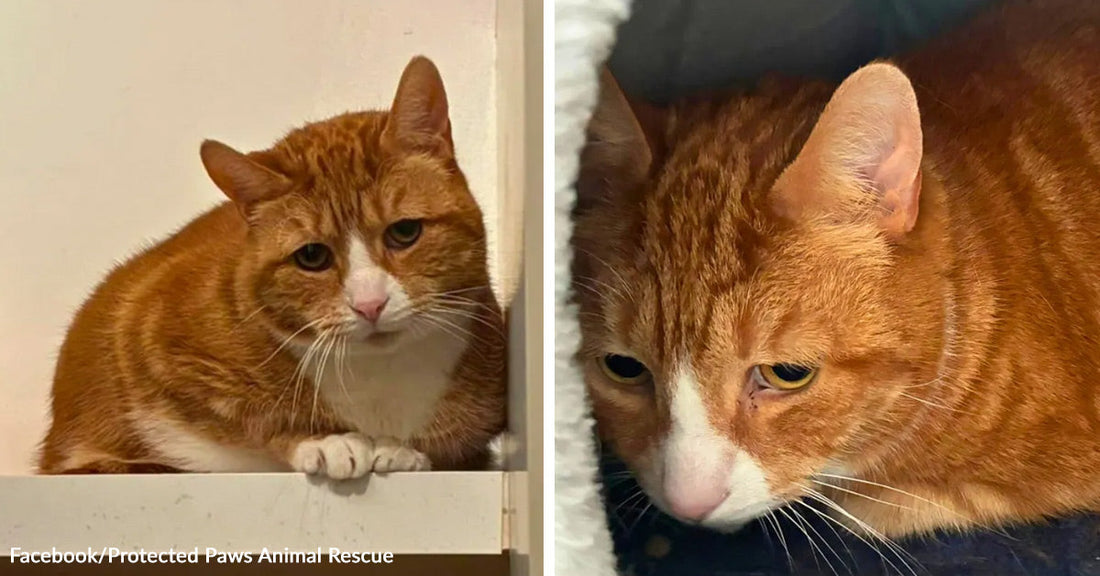
An 11-year-old cat named Neo is quietly breaking hearts. After his owner was hospitalized and could no longer care for him, Neo was taken in by Protected Paws Animal Rescue in London. Two months later, this shy senior cat is still struggling to adjust to life in foster care, and his story highlights both the emotional complexity of cat rescue and the ongoing need for patient adopters, especially for older and timid animals.
Protected Paws recently shared Neo’s situation on social media, where his wary expression and tense body language resonated with many viewers. The rescue described him as “completely shut down” and deeply fearful, even though he is now physically safe. They explained that Neo seems unable to understand that his life has changed for the better. He flinches from human contact, uncertain that gentle touch will stay gentle, and hesitant to believe that the people around him will not leave.

Neo’s experience is not uncommon for cats who have lived many years in one home only to lose everything familiar at once. In his case, concerns about the condition of the property also played a role in his rescue, adding another layer to his history of instability. Suddenly, the routines, smells, sounds, and faces that formed the backdrop of his life disappeared. For a sensitive senior cat, that level of upheaval can feel overwhelming, even when the new environment provides food, warmth, and medical care.
The team at Protected Paws describes Neo as a very shy boy who needs a quiet, stable home and a person who will give him time to rebuild trust. They emphasize that any future adopter must be calm and patient, willing to let Neo set the pace for interaction. They envision someone “steady enough to prove they won’t disappear,” a phrase that captures how deeply animals can internalize loss and inconsistency. This is the heart of what many rescues look for in adopters of senior rescue cats. It is less about grand gestures and more about showing up every day, quietly and consistently.
There is some positive news within Neo’s story. Protected Paws notes that he can live with other cats, which often helps shy animals gain confidence. Many cats feel more at ease when they can follow the lead of a relaxed feline companion. The rescue believes that with a peaceful environment and respectful space, Neo could gradually come out of his shell, even if he never becomes a bold or extroverted pet. The goal is not to transform his personality but to help him feel safe enough to be himself.
Neo’s journey also reflects broader trends in cat rehoming. Across the United States and beyond, shelters and rescue groups are essential in finding homes for cats every year. According to data from Shelter Animals Count, nearly 3 million cats entered U.S. shelters and rescues in 2025. Despite constant pressure on these systems, adoption outcomes remain relatively strong. Around 63 percent of cats entering shelters were adopted, and adoption rates for adult and senior cats have improved over the past decade. That progress matters deeply for cats like Neo, who are often overlooked in favor of kittens.
Rescue organizations, particularly those that rely on foster-based networks instead of large physical shelters, have taken on a growing share of cat placements. They often step in to accept transfers from government shelters, which can be overcrowded and under-resourced. Protected Paws fits into this foster-based rescue model. The charity is volunteer led and works through a network of carers who open their homes to animals with nowhere else to go. For a fragile cat such as Neo, a foster home is usually far less stressful than a traditional shelter environment, even if it still takes time to feel safe.
At the same time, numbers alone do not tell the full story. While many cats find homes quickly, older cats and those who are shy, shut down, or carrying emotional scars often spend longer periods in care. They might hide from visitors or present as aloof in a shelter or foster setting, which can make it harder for potential adopters to imagine them as companions. Neo’s wariness is not a sign that he cannot bond. It is a sign that he needs extra time to believe that new people are trustworthy.
Protected Paws was founded by Kerry Flynn, a registered veterinary nurse, with the aim of bridging clinical expertise and hands-on rescue. The charity focuses on sick, injured, abandoned, and otherwise vulnerable animals who may require intensive treatment or long-term support. They work closely with veterinary practices to provide tailored medical care and rehabilitation. This combination of medical knowledge and foster-based nurturing gives animals such as Neo a solid foundation from which to heal, both physically and emotionally.
In many ways, Neo is a quiet representative of the many invisible cats who are still waiting. His story speaks to the emotional challenges behind the statistics of cat adoption. For someone considering adopting a cat in need, especially a senior rescue cat or a very timid animal, his case offers a realistic picture of what is involved. Progress is likely to be slow and subtle. The first sign of trust might be a relaxed nap in the same room, a small purr from across the bed, or a gentle blink from a safe corner rather than eager cuddles on day one.
For those who are able to offer that level of patience, the reward often lies in witnessing a transformation that happens on the animal’s terms. Many people who adopt shy or senior cats describe a deep sense of connection that forms over time. Yet the key is respecting that not every cat will become a lap cat and that success can mean comfort, safety, and quiet companionship instead of constant affection. Neo’s rescuers are clear that what he needs most is someone who will simply be there for him and let him decide when he is ready.
Neo’s situation also underlines why foster-based rescues and local shelters benefit from ongoing community support. Whether through adoption, fostering, volunteering, sharing adoptable animals on social media, or donating supplies and funds, small actions can help organizations like Protected Paws continue their work for vulnerable animals. Many rescues also invite people to share their own stories and images of companion animals, helping foster a sense of shared responsibility and connection across distances.
As Neo waits in his foster home, his story stands as a gentle reminder that behind every adoption statistic is an individual animal with a history, fears, and hopes. For him, and for many like him, the right home is not about perfection. It is about a quiet space, a steady routine, and a person willing to say, through everyday care, “You are safe now,” and to keep saying it until the message finally reaches a once-frightened heart.