
A Dog Died After Allegedly Being Denied Food Water And Care
Guest Contributor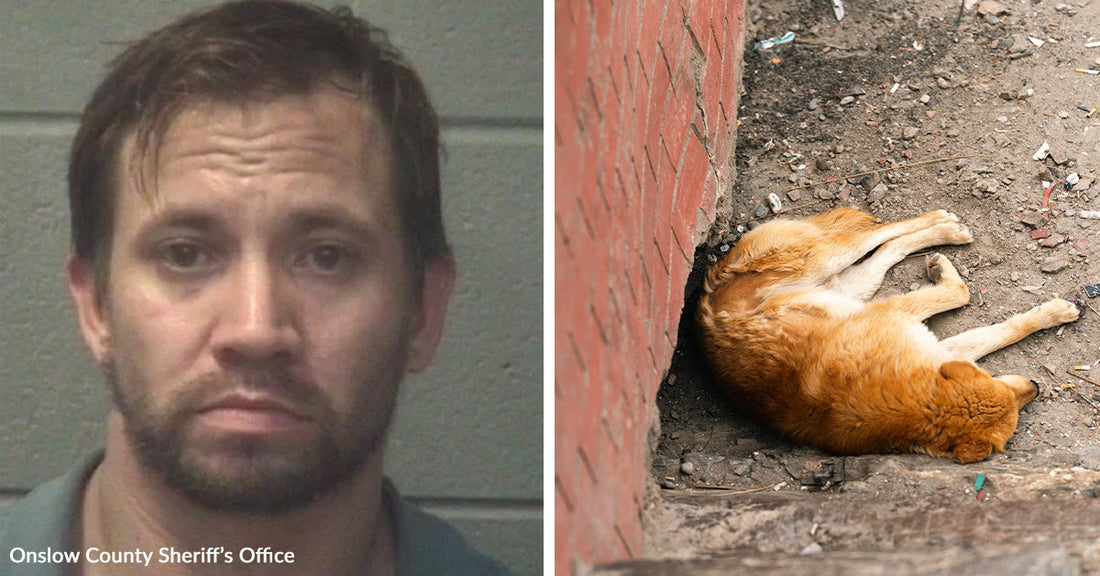
A recent case in Onslow County has brought renewed attention to animal cruelty laws and the responsibilities that come with pet ownership. Authorities report that a 36-year-old Sneads Ferry man, Charles Michael Steele, is facing multiple animal cruelty charges after a dog reportedly died from neglect. This incident of alleged felony cruelty to animals has left many readers reflecting on how such suffering can occur and what safeguards are in place to prevent it.
According to arrest warrants, Steele was taken into custody on January 21 and charged with felony cruelty to animals, felony killing an animal by starvation, and four counts of misdemeanor cruelty to animals. The documents state that he is accused of failing to provide food, water, and proper care to a dog, which investigators say led to the animal’s suffering and eventual death. Authorities allege that the dog was not provided the most basic necessities that any companion animal requires to survive.

The allegations in this animal neglect case are particularly disturbing. Investigators report that Steele maliciously killed an animal by intentionally depriving it of necessary sustenance. In plain terms, the warrants claim that the dog did not receive food, water, or adequate care over a period of time. When neglect reaches this level, it is not only a moral concern but also a legal one, which is why felony charges related to killing an animal by starvation have been filed.
The arrest warrants also extend beyond the single dog that died. Authorities state that Steele intentionally wounded, injured, or deprived necessary sustenance to four puppies. While the available information does not detail their condition at the time of the investigation, the mention of four additional animals in the legal documents suggests that the situation at the property involved multiple instances of alleged mistreatment. Each count of misdemeanor cruelty to animals reflects a specific accusation involving those puppies.
Reading accounts like this can be emotionally difficult, especially for people who share their homes with animals or care about animal welfare. I found this detail striking: the core allegation is not a momentary lapse in judgment but the ongoing deprivation of basic needs such as food, water, and care. These are the simplest responsibilities that come with owning an animal. When even these most fundamental duties are reportedly ignored, the law often intervenes with serious charges.
In North Carolina and in many other states, cruelty to animals statutes are designed to address exactly this kind of situation. Felony cruelty to animals charges typically apply when there is serious injury, extreme suffering, or death that results from intentional acts or severe neglect. Killing an animal by starvation is treated as a grave offense, reflecting a broader social consensus that animals should not be subjected to prolonged pain and deprivation. While every defendant is presumed innocent until proven guilty, the decision to bring felony charges signals that investigators believe substantial harm occurred.
In this Sneads Ferry case, law enforcement officers arrested Steele and transported him to the Onslow County Detention Center. According to the report, he is being held under a $10,000 secured bond. A secured bond generally means the defendant must post the specified amount or an approved portion of it through a bondsman or other means before being released from custody. This condition is one way the court system attempts to balance a person’s right to pretrial freedom with the seriousness of the allegations against them.
Court records indicate that Steele is scheduled for his first court appearance on January 22 at the Onslow County Courthouse. Initial court dates in felony cases are typically opportunities for the judge to review the charges, ensure that the defendant understands their rights, and address issues like legal representation and future hearing schedules. It is at later stages, through hearings and potential trial proceedings, that more details about the case usually emerge in the public record.
Cases involving alleged animal cruelty often prompt community conversations about how such situations can be recognized earlier and reported more quickly. Neighbors, friends, and family members may not always know the full circumstances in a home, yet they might be the first to notice warning signs of possible neglect. Lack of visible food or water, animals that appear severely underweight, or pets that seem injured or lethargic over time can all be reasons to contact local authorities or animal control for a welfare check. Many regions encourage residents to speak up when they suspect animals are in danger.
On a broader level, stories like this reinforce the idea that pet ownership is a long term, serious commitment. Providing food, fresh water, shelter, veterinary care, and attention is not optional. It is the foundation of responsible guardianship and is reflected in many state laws. When these basic standards are alleged to have been ignored to the point that a dog dies and puppies are reportedly harmed, it challenges everyone to think about how society values and protects animals who cannot speak for themselves.
This particular report focuses on the legal developments rather than on graphic detail, yet even the limited description paints a somber picture. A dog lost its life, and four puppies were allegedly subjected to neglect and deprivation. As the case moves through the courts, more information may become available about the conditions investigators found and the evidence that led to these charges. For now, the public is left with a clear reminder that animal cruelty laws exist to address suffering that might otherwise remain hidden.
It is also important to remember that the criminal justice process will determine whether Steele is found guilty or not guilty of these charges. The role of arrest warrants and initial hearings is to outline the allegations, not to decide the outcome. The presumption of innocence remains in place until the court reaches a conclusion. At the same time, the very fact that such charges are possible highlights how seriously the legal system treats reported cases of starvation, neglect, and abuse involving animals.
As this Sneads Ferry animal cruelty case proceeds, it may encourage more discussion about how communities can better prevent neglect, support education on animal care, and ensure that laws are enforced when harm is reported. Even one animal suffering from a lack of food, water, and basic care is one too many. The details in this report offer a sobering look at what can happen when those basic responsibilities are not met, and they underscore why vigilance and compassion are both essential when it comes to the well-being of animals in any community. Read more at https://wcti12.com