
🚨Urgent: Missile Strikes Shelter in Ukraine! Rush Emergency Aid!
A Starved Dog Was Found Partially Buried In A Backyard
Guest Contributor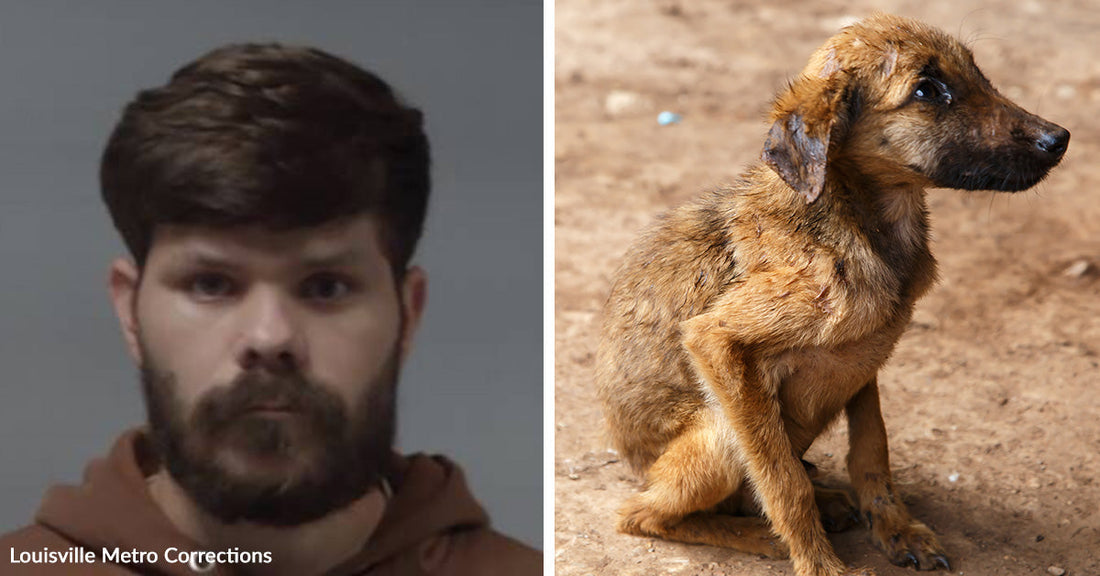
The recent report of animal cruelty charges filed after a starved dog was found dead in a Louisville home is both heartbreaking and deeply unsettling. The case centers on a 32-year-old Louisville man, identified by police as Christopher Schiefelbein, who is now facing charges that include animal cruelty and torture of a dog or cat. At the heart of this story are abandoned animals, a severely neglected home, and one dog whose death a necropsy determined was caused by starvation. The details paint a sobering picture of what can happen when basic responsibilities toward companion animals are ignored.
According to court records referenced in the report, Louisville Metro Animal Services first became involved after receiving reports about abandoned animals at a residence. Investigators arrived to check on the situation and soon uncovered conditions that officials described as severely unsanitary. Schiefelbein reportedly admitted that he had moved out of the residence in December, leaving behind a cat and three dogs. He told officers he still checked on the animals multiple times a day, yet the condition of the home and the fate of at least one dog suggest that these animals were not receiving the care they needed to survive.

Inside the home, officers reported widespread filth. Court records cited in the article describe animal waste covering the floors and approximately two inches of feces in a bathtub. These details create a stark, disturbing image of the environment the animals were left in. It is not simply a matter of a house that needed cleaning; the description indicates a prolonged period in which animals were living in conditions that would be hazardous to both their health and the health of any person entering the space.
In the backyard, investigators discovered a partially buried dog. Officials later confirmed through a necropsy that the animal died from starvation. That finding is especially striking because starvation does not happen overnight. It suggests an extended period in which the dog did not receive adequate food, all while being confined to circumstances it could not control. For many readers, the idea of a dog slowly starving while ostensibly under someone’s care evokes a powerful emotional response, rooted in the expectation that companion animals deserve at least minimal, consistent care and attention.
The report notes that Schiefelbein has been charged with animal cruelty, torture of a dog or cat, and related offenses. These charges reflect more than a technical violation of regulations; they signal that authorities are treating the situation as a serious criminal matter. When cases like this move into the court system, they often raise wider questions within the community about how animal abuse is identified, reported, and punished. They also highlight the role that agencies like Louisville Metro Animal Services play in investigating reports and intervening when animals are at risk.
The issue of animal cruelty in Louisville, and in communities nationwide, is not new, yet each individual case such as this one underscores the ongoing need for vigilance. Neighbors, friends, and community members are often the first to notice signs that animals may have been abandoned or are not being cared for properly. Reports that spark investigations can make the difference between life and death for the animals involved. In this instance, the call to Louisville Metro Animal Services set in motion an inquiry that revealed both the death of one dog and the survival conditions of other animals left behind.
Reflecting on the details shared in the article, one element that stands out is the contrast between the suspect’s reported statements and the physical evidence described by investigators. Schiefelbein is reported to have said that he checked on the animals multiple times a day even after moving out in December. Yet officers documented extensive filth and a level of accumulated waste that suggests a significant lapse in basic cleaning and care. The necropsy result indicating starvation further complicates the claim that the animals were being adequately monitored. While the criminal justice process will ultimately address questions of legal guilt or innocence, the facts reported so far raise serious concerns about how the animals’ welfare was prioritized.
From a broader perspective, this case is a reminder of why clear animal cruelty laws and active enforcement matter. Statutes that address torture of a dog or cat, neglect, and abandonment are designed to protect animals who cannot advocate for themselves. When authorities file charges in cases of extreme neglect or cruelty, it sends a message that such actions have consequences. For many people who care deeply about animal welfare, seeing these laws applied can provide some reassurance that suffering does not go unnoticed, even if no legal outcome can change what already occurred.
There is also an important public health dimension to situations involving severe unsanitary conditions. A home with floors covered in animal waste and a bathtub filled with several inches of feces is unsafe not only for animals but potentially for any person entering the property. Bacteria, parasites, and strong odors can all pose risks. The involvement of animal services and law enforcement in such cases helps to protect both animal welfare and community health. It reinforces the idea that proper care of companion animals includes maintaining a safe, clean living environment.
For readers in Louisville and beyond, this story may prompt reflection about what to do if they suspect a similar situation is unfolding nearby. While the article does not prescribe specific actions, its description of how reports led investigators to the home underscores the value of speaking up. Many localities encourage residents to contact animal control or similar agencies if they observe signs of abandonment, prolonged neglect, or obvious distress in animals. Even if a report does not always result in criminal charges, it can trigger a welfare check that brings hidden problems to light.
This case also illustrates how the legal process provides a structured setting for examining the evidence. Schiefelbein is scheduled to appear in court on June 15. At that appearance and in any subsequent proceedings, courts will consider the documented conditions in the home, the necropsy findings regarding the starved dog, and any additional information presented by both the prosecution and the defense. For now, the charges stand as an acknowledgment by authorities that what was found at the Louisville property warrants formal legal scrutiny.
Stories like this are painful to read, yet they are important. They remind communities that the responsibility of caring for animals does not end when a person decides to move or when circumstances change. A cat or dog left behind is not just a detail in a move-out checklist. It is a living being that depends entirely on human caretakers for food, shelter, and basic safety. When those obligations are neglected to the point that a necropsy identifies starvation as the cause of death, it represents a profound failure of duty.
Ultimately, this Louisville case involving animal cruelty charges, a home in severe unsanitary condition, and a starved dog found partially buried in a backyard invites both sorrow and resolve. Sorrow for the suffering described in the court records, and resolve to support systems that identify and prevent such neglect before it becomes fatal. By paying attention to these reports, sharing accurate information, and supporting local animal services, communities can work toward a future where stories like this become far less common.