
Three Dolphins Become Trapped in New Jersey Marshland Until Rescuers Reach Them
Guest Contributor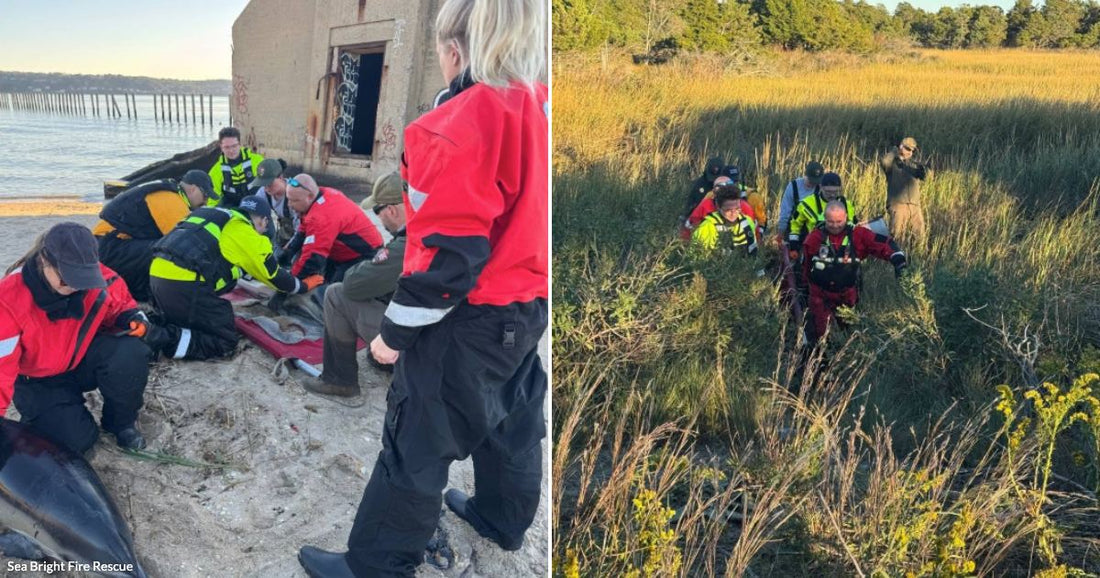
The story of the three stranded dolphins in New Jersey’s marshland is a sober reminder of how fragile marine life can be, even when surrounded by people determined to help. Over the weekend, a group of rescuers responded to reports of dolphins trapped in marshes near Sandy Hook. What began as a hopeful dolphin rescue in New Jersey became a difficult situation that highlighted both the dedication of first responders and the heartbreaking limits of what can be done once animals are critically weakened.
According to the reports, the incident unfolded near Sea Bright, a coastal community not far from Sandy Hook. Sea Bright Fire Rescue received a call on Sunday afternoon requesting assistance from the National Park Service and the Marine Mammal Stranding Center. Three dolphins had become stranded in marshland, an environment that can quickly become perilous for large marine mammals that depend on deeper water for support, movement, and safety.

Rescuers from Sea Bright Fire Rescue mobilized Engine 43, Marine 43, and the department’s deputy fire chief to reach the scene. Marshland rescues are typically complex, involving difficult terrain, shifting mud, and tidal changes. In this case, the responders were able to locate all three dolphins and work with wildlife experts to recover them from the marsh. The animals were carefully transferred to the Marine Mammal Stranding Center, the regional organization that specializes in caring for stranded and injured marine mammals.
The Marine Mammal Stranding Center is experienced in handling cases of beached or distressed animals along the coast, and the dolphins were brought there for evaluation, rehabilitation, and treatment. Once in the care of specialists, veterinarians carried out assessments to gauge the dolphins’ health and chances of recovery. It was during these evaluations that experts determined the animals were extremely weak and in very poor condition.

Sea Bright Fire Rescue
Faced with the results of their exams and clinical observations, veterinarians concluded that the dolphins had little realistic chance of survival. The prognosis was described as very poor, which, in veterinary practice, often means that even intensive treatment is unlikely to restore the animals to a state where they can live independently in the wild. Given that conclusion, the medical team made the decision to humanely euthanize all three dolphins.
Humane euthanasia is a difficult but sometimes necessary decision in wildlife medicine. When an animal is suffering and has little hope of recovery, ending that suffering through controlled, painless procedures can be considered the most compassionate option. In this case, the veterinarians weighed the dolphins’ severe weakness and the prospects for successful rehabilitation, then chose to prevent further decline and distress. While it is a sorrowful outcome, it reflects a commitment to animal welfare even when rescue efforts cannot lead to release.

Sea Bright Fire Rescue
There is still no information on why the dolphins became stranded in the marshland near Sandy Hook. Strandings can be caused by a variety of factors, including illness, disorientation, tidal changes, injury, or environmental conditions. Sometimes marine mammals follow prey into shallow areas and become trapped by receding water. Other times, they may be ill or compromised before they reach the shore, and stranding is a symptom of a deeper health problem rather than the original cause of distress. In this incident, officials have not yet identified a specific reason, and no additional cause has been reported.
I found this detail striking, because the lack of a clear cause underlines how much remains unknown about individual stranding events. Even with trained responders, modern veterinary tools, and coordinated agencies, some questions about marine animal behavior and health remain unanswered. It can be challenging for both the public and those on the front lines of rescue to accept that not every story will end with a successful release back into the ocean.

Sea Bright Fire Rescue
Events like this often highlight the quiet heroism of first responders and wildlife specialists. Fire rescue teams, park service personnel, and staff from organizations such as the Marine Mammal Stranding Center regularly answer calls that involve difficult conditions and emotional weight. In Sea Bright, the fire department deployed both land and marine units, demonstrating how prepared they are to respond when wildlife is in crisis. Their efforts ensured that the dolphins were not left to struggle alone in the marsh, and that they could receive professional veterinary assessment as quickly as possible.
The role of the Marine Mammal Stranding Center in this story is equally significant. These types of organizations exist so that stranded animals can be given expert attention and, whenever possible, a second chance. The center’s staff and veterinarians are trained not only to provide treatment but also to make the most humane decisions in complicated cases. While the outcome for these three stranded dolphins was not the hopeful resolution many might wish for, the involvement of specialists ensured that decisions were evidence based and centered on the animals’ welfare.
For communities along the coast, news of stranded dolphins near Sandy Hook is a stark reminder of the responsibilities that come with living close to marine habitats. When people encounter a stranded or distressed marine mammal, the safest and most helpful response is usually to keep a respectful distance and notify local authorities or a marine mammal stranding network. Approaching or attempting to move a wild animal without guidance can unintentionally cause more harm, both to the animal and to the person trying to help. In this case, the appropriate agencies were contacted, which allowed trained teams to respond quickly.
This incident also illustrates how emotionally complex wildlife stories can be. The article reports diligent rescue efforts, quick coordination among agencies, and specialized veterinary care. At the same time, it recounts an ending that many readers will find sad. Holding both truths at once is part of engaging honestly with real events in the natural world. Compassion does not always lead to recovery, but it does shape how animals are treated, how decisions are made, and how communities respond when lives are at stake.
Although the dolphins could not be saved, their story may still influence how people view the coastal ecosystem around Sea Bright and Sandy Hook. Awareness of marine life, even through difficult news, can motivate better stewardship of the environment, support for organizations that protect wildlife, and a deeper respect for the challenges these animals face. The loss of these three dolphins underscores how vital it is to maintain strong networks of responders and experts who stand ready to help when animals are in need.
In the end, the account of the three dolphins in the New Jersey marshland is one of effort, expertise, and compassion confronted by the realities of nature and medicine. It brings together local fire crews, federal park staff, and marine specialists, all working toward the same goal of relief for animals in distress. Even when the outcome is not what anyone hoped for, the commitment to humane care and thoughtful decision making remains an important part of how communities along the coast respond to the unexpected challenges that wash ashore. Read more at https://abc7ny.com/post/dolphins-rescued-getting-stranded-sandy-hook-marshland-officials-say/19960109/