
🚨Urgent: Missile Strikes Shelter in Ukraine! Rush Emergency Aid!
The Cancer Patient Who Sparked France’s Fight Against Acetamiprid Pesticides
Guest Contributor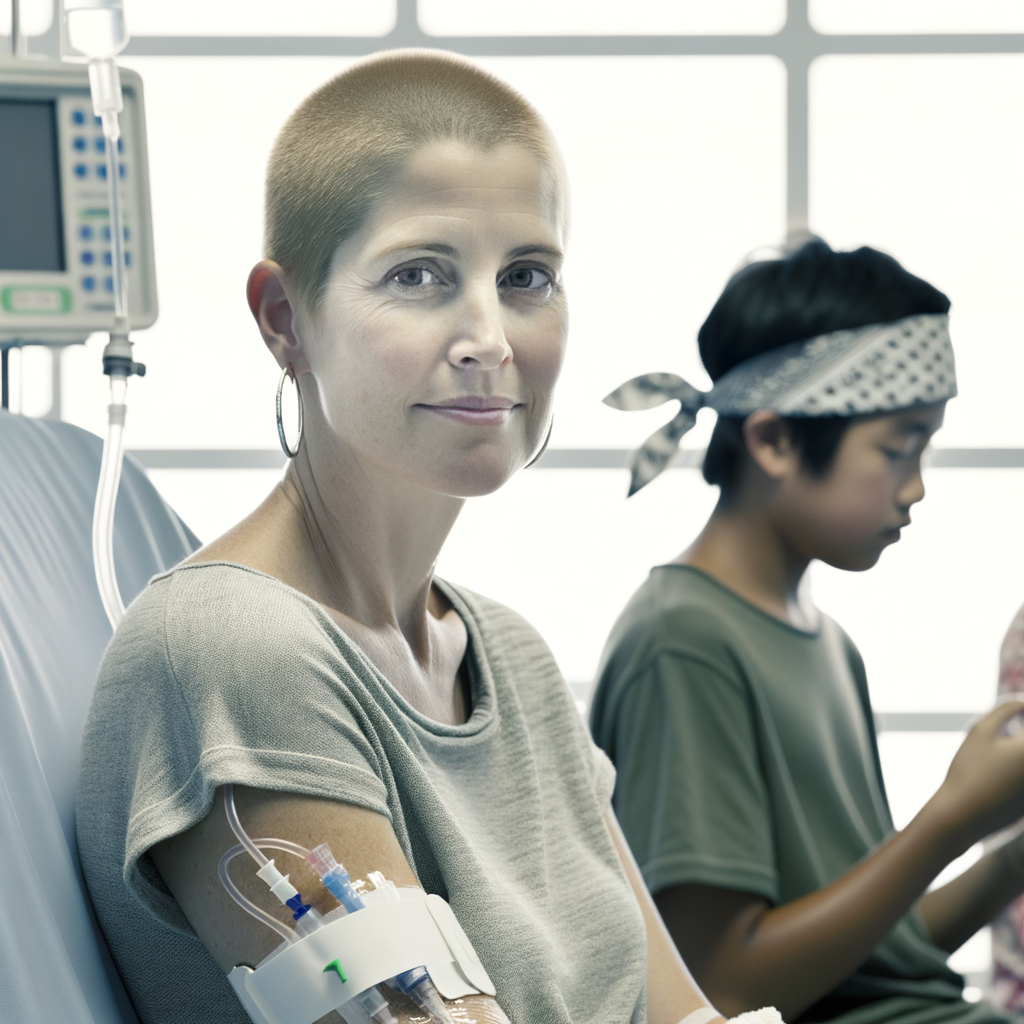
When Fleur Breteau stood up in the French National Assembly's public gallery and accused lawmakers of being "supporters of cancer," her voice carried far beyond the chamber walls. Her protest, delivered with the raw authenticity of someone undergoing chemotherapy, galvanized a nation. The legislation in question aimed to reintroduce acetamiprid, a neonicotinoid pesticide banned in France since 2018. The move ignited a fierce public backlash, with over 2 million people signing a petition to oppose the so-called “Duplomb law.”

This story, rooted in the rising concern over pesticide exposure and its potential links to cancer, has struck a chord in France. It also highlights growing public demand for a healthier environment, a theme gaining traction across Europe. The movement Breteau helped spark—Cancer Colère—has become a rallying point for those who believe that environmental toxins are contributing to the alarming rise in cancer rates.
Acetamiprid is still permitted in several EU countries and the UK, where it is used to control insects on crops such as citrus fruits and grapes. While some researchers argue it is less harmful than other neonicotinoids, its safety profile remains under scrutiny. Philippe Grandcolas, a deputy director at France’s national scientific research body CNRS, remarked that choosing acetamiprid over other pesticides is like choosing between “the plague and cholera.”
The French constitutional court’s recent decision to block the pesticide’s reintroduction was unexpected. The court ruled that the legislation violated the constitutional right to live in a “balanced and healthy environment.” This legal reasoning reflects a broader shift in environmental policy, where public health concerns are increasingly influencing legal and political outcomes.
Breteau’s personal journey adds a poignant dimension to this debate. At 50, she is undergoing her second round of cancer treatment in three years. During an interview with the Guardian, conducted between radiotherapy sessions at the Gustave Roussy hospital, she described the "injustice and anger" she felt upon learning of the proposed pesticide law. Her frustration led her to form Cancer Colère, a collective that now counts around 600 supporters, many of whom are also cancer patients or survivors.
What I found particularly striking is Breteau’s observation about the changing face of cancer wards. Expecting to be the youngest patient, she was shocked to see children, teenagers, and pregnant women also receiving treatment. This anecdote resonates with recent data from Santé publique France, which reported a doubling of cancer cases since 1990. This rise occurred despite a 25% decline in tobacco and alcohol use, traditionally cited as leading causes of cancer. The report also noted a troubling increase in cases among children and young adults aged 15 to 39.
Breteau and others argue that environmental pollutants, including pesticides, are a significant part of the problem. She pointed out that cancer clusters often appear in agricultural regions with heavy pesticide use. Although definitive proof linking specific cancers to specific chemicals remains elusive, she compares the current situation to the tobacco industry’s historical efforts to sow doubt about smoking’s dangers.
Acetamiprid’s health effects on humans remain uncertain due to a lack of large-scale studies. While some manufacturers, including the Chinese firm Shijiazhuang Pomais Technology, claim it has “low toxicity to humans and animals,” France’s health minister Yannick Neuder has called for a comprehensive, EU-wide reassessment of its potential risks. Studies are ongoing into whether the pesticide may have endocrine-disrupting or neurotoxic properties.
In response to the court’s ruling, Cancer Colère plans to continue its advocacy. The group has deliberately avoided political affiliations and instead focuses on grassroots education. In September, they will begin distributing leaflets outside hospitals to raise awareness about the potential dangers of pesticide exposure. Breteau believes that meaningful change lies in supporting sustainable farming practices and listening to both scientists and farmers who prioritize environmental health.
Her message is clear: the fight is not over. “We are living in a toxic world and need a revolution to break the chain of contamination in everything,” she said. “If people don’t react, we’ll find ourselves in a world where we cannot drink water or eat food that is uncontaminated.”
As conversations around pesticide safety and public health continue, Breteau’s story serves as a powerful reminder of the human stakes involved. It also underscores the importance of vigilance, advocacy, and informed decision-making in shaping policies that affect both our health and our environment.