
🚨Urgent: Missile Strikes Shelter in Ukraine! Rush Emergency Aid!
The Wall That Heals Brings Healing and Honor to Emporia Veterans
Guest Contributor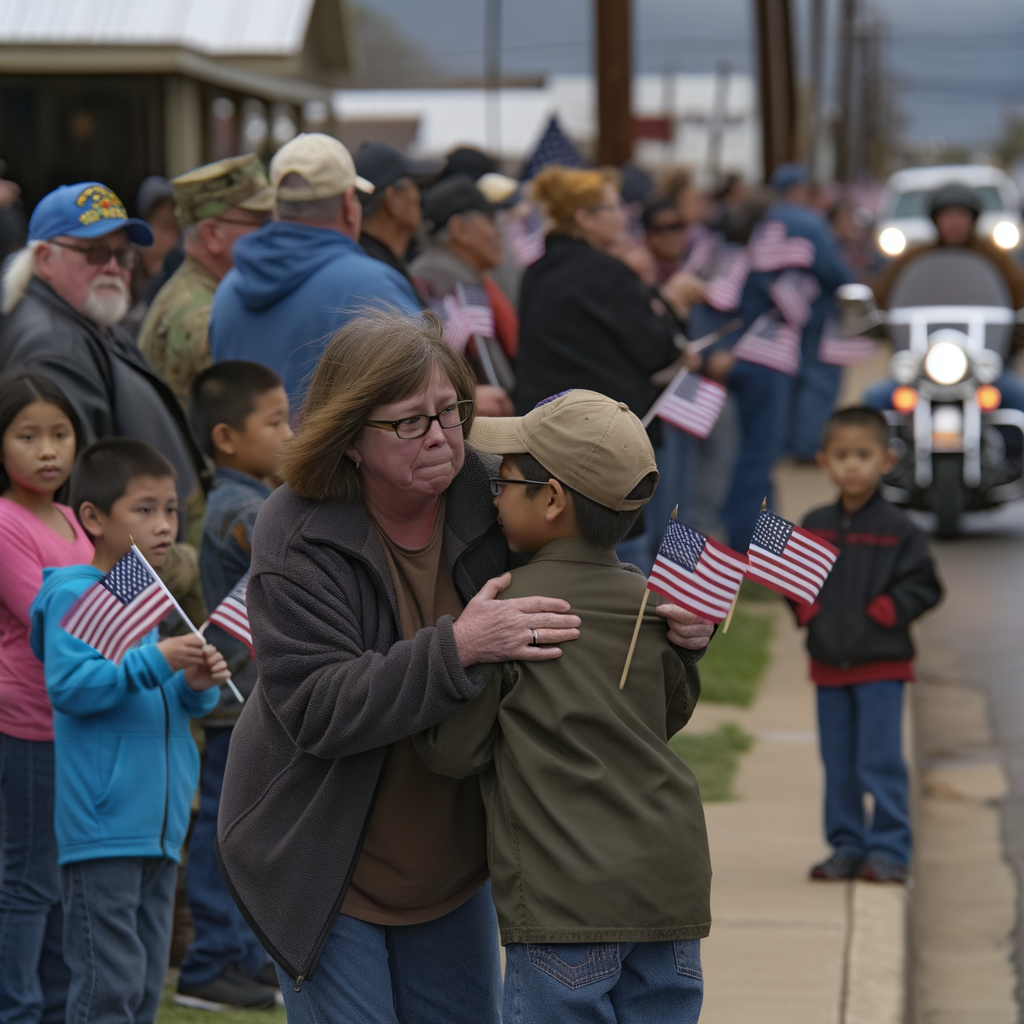
On August 12, the streets of Emporia, Kansas filled with the sound of engines and the sight of waving flags as hundreds of motorcycles and cars escorted The Wall That Heals into town. This traveling replica of the Vietnam Veterans Memorial in Washington D.C. brought with it more than just etched names—it carried decades of emotion, memory, and long-overdue recognition. For many Vietnam veterans, including David Cottrell, the arrival marked a moment of healing and reflection that had been missing for more than fifty years.

The Wall That Heals is a three-quarter scale model of the original memorial, bearing the names of 58,281 service members who gave their lives in the Vietnam War. As it made its way into Emporia, it was accompanied by a powerful show of support. Veterans, families, and community members lined the streets, some holding flags, others holding back tears. The event offered a poignant reminder of the sacrifices made and the complicated homecomings many veterans experienced upon returning from Southeast Asia.
David Cottrell, who served in Vietnam from 1972 to 1973, spoke candidly about the contrast between the warm welcome in Emporia and the reception he received decades earlier. “The attitude of the people coming back from Southeast Asia to San Francisco, it hurt,” he recalled. “It really hurt to do so much and to get that kind of welcome back.” For Cottrell and many others, the escort and the presence of The Wall That Heals served as a symbolic homecoming that was never granted upon their return from war.
Emporia has a special connection to veterans. In 1953, it became the first city in the United States to celebrate Veterans Day as a national holiday, and its commitment to honoring those who served remains strong. This week’s events further cement that legacy. The memorial will be stationed in Emporia from August 14 through 17, with an opening ceremony scheduled for 9:00 a.m. on Thursday at American Legion Post #5.
Jim Young, Vice-Commander of American Legion Post #5, emphasized the significance of the memorial’s presence. “There are 58,281 names on the wall of veterans,” he said, noting that for many visitors, those names are more than just etchings in stone—they are friends, family members, and comrades. The wall’s design encourages personal reflection and remembrance, offering a space for connection and closure.
For Cottrell, the wall holds a deeply personal meaning. He shared the story of a fellow airman who was shot down in 1966. “He was a major in the United States Air Force,” Cottrell said. “It has special meaning for me, I was in the Air Force as well. It’s just totally awesome I can’t describe it.” His words reflect the emotional weight the memorial carries for those who served, particularly for those who lost friends and colleagues in combat.
The community’s response was equally heartfelt. Monica Duncan, an Emporia resident, stood with her family along the route, reflecting on her parents’ own connection to the war. “The story I heard was they had to postpone their wedding because he was going away to Vietnam,” she said. “He got off on a three to four-day leave and they came back and put a wedding together like that.” For many families, the Vietnam War is not just history—it’s a lived experience passed down through generations.
What makes The Wall That Heals especially impactful is its mobility. By bringing the memorial to communities across the country, it ensures that those who may never have the opportunity to visit Washington D.C. can still pay their respects. The traveling wall not only honors the fallen but also fosters dialogue, education, and healing in towns like Emporia. It’s a tangible reminder of the cost of service and the importance of remembrance.
Witnessing the community’s turnout and veterans’ reactions, I found this detail striking: that a single event could provide such profound emotional resolution for individuals who had carried unspoken burdens for decades. The escort, the wall, and the shared moments of silence all contributed to an atmosphere where gratitude replaced past indifference, and honor replaced omission.
As The Wall That Heals stands in Emporia for the next few days, it invites all who visit to reflect not just on the names inscribed, but on the lives they represent and the sacrifices they made. It also serves as a reminder of the importance of welcoming home every service member with the respect and dignity they deserve—something that, for many Vietnam veterans, is only now being fully realized.