
🚨Urgent: Missile Strikes Shelter in Ukraine! Rush Emergency Aid!
Thermal Drone Helps Rescuers Find Dog Exhausted and Standing Alone in Cold Water
Guest Contributor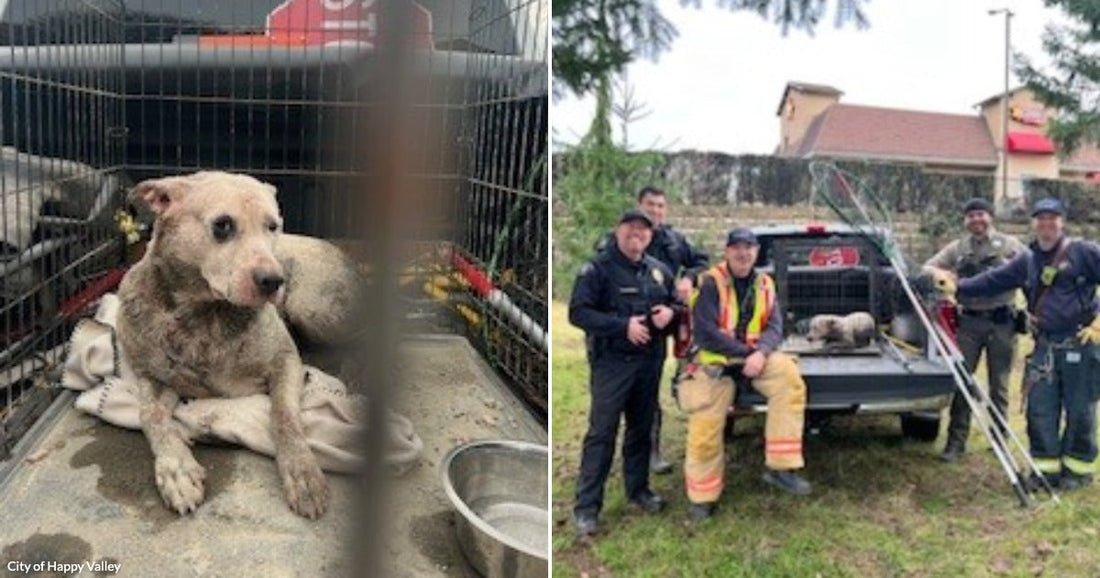
Happy Valley recently witnessed a powerful blend of compassion and technology when an injured dog was rescued from a retention pond with the help of a thermal imaging drone. Stories about pet rescues often capture public attention, yet this one stands out because it highlights how modern tools, coordinated first responders, and a dedicated local community can transform a frightening situation into a hopeful outcome. The details of the incident offer a closer look at how thermal imaging, drone-assisted search, and traditional fire and police work came together to save a vulnerable animal.
According to the report, the incident unfolded at a retention pond in Happy Valley, where an injured dog was in distress. Water, especially in retention ponds, can be a hazardous environment for any animal that is hurt, cold, or disoriented. The dog’s situation required a careful and efficient response. Local fire crews arrived at the scene and began assessing how to safely remove the animal from the water. They were not alone in their efforts. A battalion chief, community service officers, and deputies assigned to Happy Valley Police joined the operation, demonstrating how cross-agency teamwork can make a critical difference in emergencies involving animals.

Thermal imaging technology became a crucial part of this rescue. The use of a drone with a thermal camera allowed responders to detect heat signatures in and around the pond, which can be especially valuable when visibility is limited or when an animal is partially submerged or hidden by vegetation. In this case, the thermal imaging drone helped responders precisely locate the injured dog and better understand its position in the retention pond. That aerial perspective, combined with heat detection, let the team plan a more targeted and safer approach instead of relying solely on ground-level visibility.
Drone assisted animal rescue has grown more common in recent years, yet each incident still carries its own challenges. In a retention pond, mud, steep edges, cold water, and changing weather can all complicate a rescue. Fire crews must consider their own safety along with the animal’s. The presence of a battalion chief at the scene underscored the importance of coordination and oversight. With multiple agencies involved, someone needed to guide decision making, evaluate risks, and ensure that every step taken would move the rescue toward a safe conclusion for both the dog and the responders.

City of Happy Valley
Community service officers and deputies from Happy Valley Police also played important supporting roles. They helped secure the area around the retention pond and contributed to the careful planning of how to reach the dog. Their involvement demonstrated that animal rescues often require more than just technical expertise. Crowd management, site safety, and communication with any nearby residents all matter. These officers helped create the conditions under which fire crews could focus fully on the physical act of rescue, from entering the area around the water to lifting and securing the injured dog.
At the heart of this event was the dog itself, injured and stuck in a retention pond. While specific details about the dog’s condition were not fully described, it was clear that time and precision were vital. Cold water can quickly sap an injured animal’s strength. A delayed response could have resulted in a far worse outcome. The responders used the information provided by the drone’s thermal imaging to move with confidence. They carefully approached, safely secured the dog, and brought it out of the water. That combination of caution and urgency is a hallmark of successful rescue operations, whether involving humans or animals.

City of Happy Valley
I found this detail striking: the story highlights not only the emotional impact of saving a pet but also the quiet professionalism behind it. The description of fire crews, a battalion chief, community service officers, and deputies working in concert reminds readers that animal rescue is often a full-scale emergency response, not a side task. These professionals train for a wide range of situations, and events like this show how their skills can protect both people and animals in the community. The presence of specialized gear such as a thermal imaging drone reflects an investment in tools that can be used in many scenarios, from missing person searches to injured wildlife calls.
Technology alone would not have been enough without a thoughtful, coordinated plan. The thermal imaging drone identified where the dog was located in the retention pond, but it still took human judgment to decide the safest approach, assign roles, and carry out the rescue. Fire crews had to consider factors like the depth of the water, the stability of the ground along the shore, and the dog’s potential reactions. Police and community service officers needed to remain ready for any adjustments in the plan. The result was a successful extraction that avoided additional harm while giving the dog a chance to recover.

City of Happy Valley
Stories like this one from Happy Valley help raise awareness about how modern public safety agencies respond when animals are at risk. A thermal imaging drone rescue may sound high tech, yet it is also deeply personal because it involves an animal that many residents may view as part of their extended community. For readers who care about rescue animals and first responders, this incident serves as a reminder of the ongoing efforts to protect vulnerable beings, whether they walk on two legs or four. It underscores how emergency responders routinely go beyond their core duties to offer humane assistance whenever possible.
The Happy Valley dog rescued from a retention pond is an example of how quickly a challenging situation can be turned around when skilled professionals, advanced tools, and a sense of shared responsibility converge. The drone with thermal imaging gave responders crucial information. Fire crews, under the guidance of a battalion chief, executed the hands-on portion of the rescue. Community service officers and deputies from Happy Valley Police supported the operation and contributed to a safe, controlled environment. Together, they showed that even in tense circumstances, coordinated action and modern technology can produce a hopeful outcome for an injured animal in need. Read more at https://katu.com/news/local/drone-with-thermal-imaging-helps-rescue-injured-dog-from-happy-valley-retention-pond-rescue-animals-first-responders-emergency-police-fire-adoption