
Tiny Jellybean Joeys Offer Hope for Northern Quolls at Wildlife Sanctuary
Guest Contributor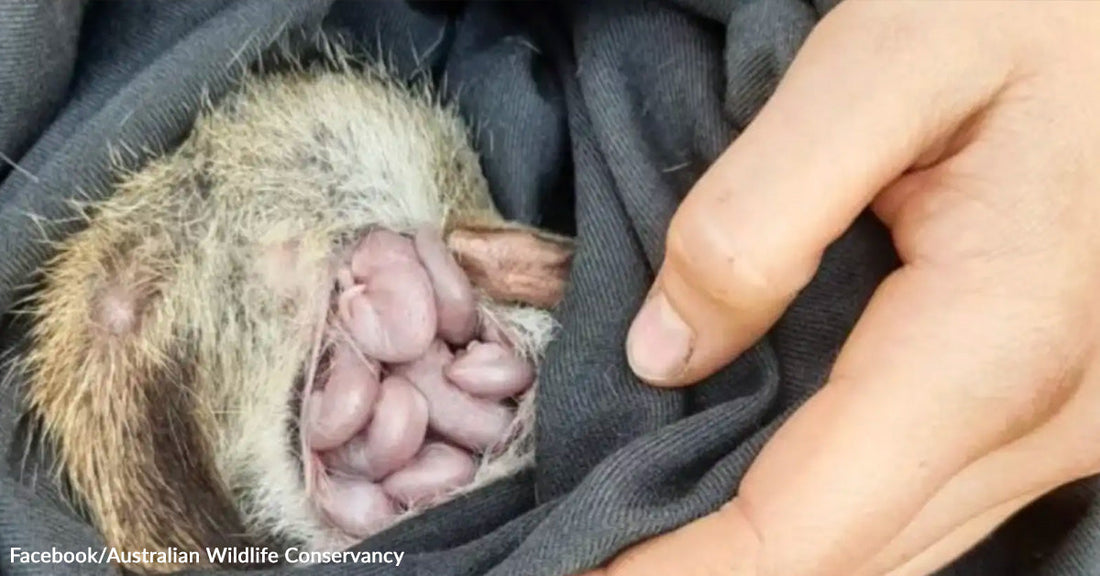
In a quiet corner of northern Australia, a small discovery has given conservationists a very big reason to hope. During a recent wildlife survey at the Australian Wildlife Conservancy’s Brooklyn Wildlife Sanctuary, researchers found not just northern quolls, but tiny, endangered “jellybeans” tucked safely inside their mothers’ pouches. For a species that has struggled for decades, these baby northern quolls represent more than adorable faces. They signal that careful conservation work is starting to turn the tide.
The Australian Wildlife Conservancy, often referred to as AWC, conducts regular surveys across its sanctuaries to understand how native species are faring. At Brooklyn Wildlife Sanctuary, their team set out to monitor northern quolls, a small Australian marsupial recognized by its speckled coat and agile frame. The species has faced serious decline, so any sign of their presence on the landscape is significant. As the team moved across the sanctuary, they were not just counting animals. They were looking for evidence that years of habitat management and protection might be making a difference.

When they finally located two northern quolls, the initial excitement quickly deepened. Each of the females was carrying a full pouch of young, eight baby quolls per mother. The researchers affectionately referred to the tiny, underdeveloped joeys as “quoll jellybeans,” a nickname that reflects both their size and their stage of development. These joeys are still extremely vulnerable, yet their presence is a strong sign that the adult females are healthy enough to breed and raise young.
The discovery carries particular weight because northern quolls are classified as endangered. Their numbers have declined over many years, largely due to habitat loss and increased predation. Across northern Australia, changes in fire patterns and the spread of feral animals have added pressure to this already fragile species. For conservationists, every new generation of quolls matters, and every surviving joey represents another step away from the risk of local extinction.
At Brooklyn Wildlife Sanctuary, AWC ecologists have been working to improve conditions for northern quolls. Their efforts include careful fire management as well as the control of feral herbivores that can degrade native vegetation. Instead of large, intense late-season fires that can sweep across huge areas, they undertake early dry season burning. This approach creates a varied landscape with pockets of burnt and unburnt vegetation that offer shelter and feeding grounds for quolls and other wildlife.
According to AWC wildlife ecologist Dr. Gabrielle Beca, finding females with pouch young is a reassuring sign that these strategies are having a positive effect. The early dry season burning, Dr. Beca explained in a press release, helps create a mosaic of habitats. This patchwork of different vegetation conditions reduces the impacts of predators and provides safer areas for quolls to move, hunt, and rear their young. In other words, the landscape is not just surviving fire. It is being shaped in a way that benefits sensitive species.
The northern quoll is more than an endangered marsupial with a charming appearance. It also plays an important role in the ecosystem. As a natural predator, the quoll helps control populations of small mammals, reptiles, and insects. When predators decline, prey species can increase in number and disrupt the balance of the ecosystem. By supporting northern quoll populations, conservationists are also working to maintain healthier and more stable environments across the regions where these animals live.
What makes this story especially encouraging is that the presence of multiple “quoll jellybeans” in the pouches of wild females is not just an isolated feel-good moment. It is evidence that targeted actions can produce measurable results. Years of effort have gone into managing fires and controlling feral herbivores at Brooklyn Wildlife Sanctuary. Now those long-term strategies are reflected in living proof: multiple litters of endangered young, carried by mothers that have found enough safety and food to reproduce successfully.
The promising signs at Brooklyn are also reshaping future plans. With the northern quoll population there showing positive indicators, researchers are now looking ahead to potential translocation efforts. The goal is to relocate some quolls from the Brooklyn sanctuary to another protected area, Mount Zero-Taravale in northern Australia. If successful, this movement could help establish or strengthen another population of northern quolls, lowering the risk that the species becomes too concentrated in a few locations.
Translocation is not a step that conservationists take lightly. It requires a careful understanding of habitat conditions, predator pressures, and the needs of the animals themselves. However, the fact that such a step is even being considered reflects the cautious optimism that now surrounds the quoll population at Brooklyn. The image of tiny jellybean-sized joeys hidden in their mothers’ pouches represents the beginning of what could become a broader recovery story for the species across parts of northern Australia.
For many people, the idea of wildlife conservation can feel distant or abstract. Stories like this one offer something more tangible. They connect the science of fire management, predator control, and habitat restoration with the very real lives of animals that depend on those decisions. Each early dry season burn, each monitored survey, and each decision to reduce pressure from feral herbivores contributes to the moment when researchers open a pouch and find it full of new life.
If current efforts continue and expand, AWC researchers hope that sightings of northern quolls will become far more common. One day, they envision a future where glimpsing a quoll on a night survey or camera trap is an ordinary event instead of a rare highlight. In that future, the species would be no longer teetering on the edge, but living in healthy numbers across multiple protected landscapes. The discovery of those endangered jellybeans is a reminder that such a future is possible, provided people do not give up on the long, patient work of conservation.