
Owner Arrested After Two Dogs Allegedly Spend an Hour Trapped in Deadly Heat
Guest Contributor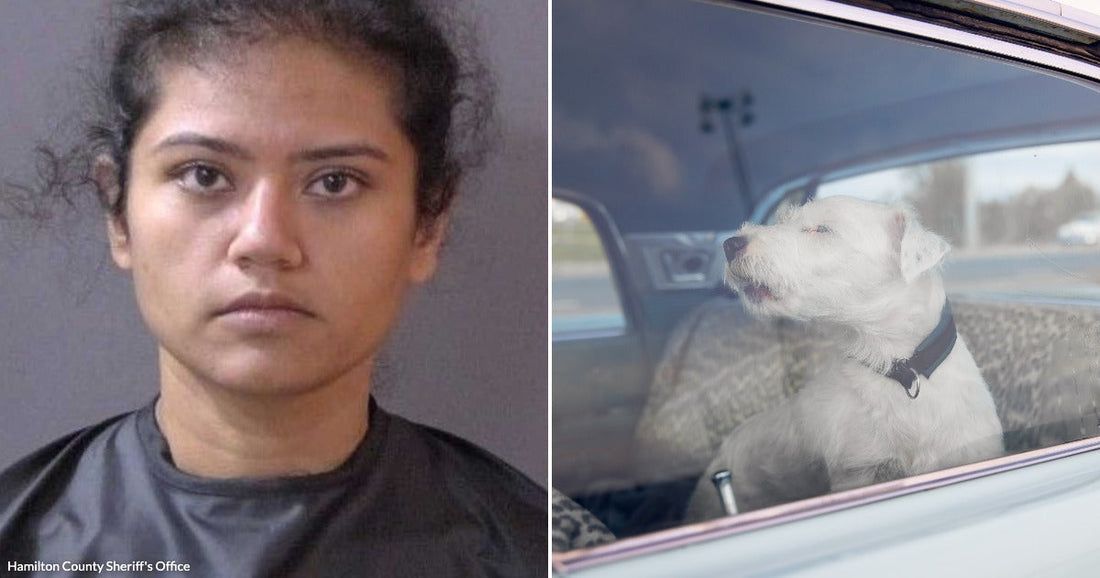
The deaths of two dogs in a hot car outside an Indiana restaurant have shaken a community and renewed attention on the dangers of leaving pets in vehicles. The case of two dogs left in a parked car on a 92 degree day in Cicero, Indiana, and the animal cruelty charges that followed, is a painful reminder of how quickly heat can become deadly for animals.
According to local reports, Cicero police were called to the parking lot of Boathouse Kitchen & Swan Dive on Friday, July 3, where two dogs were found inside a vehicle. First responders discovered that one dog had already died at the scene. The second dog was still alive but unresponsive and in such critical condition that it was transported to an animal hospital and later euthanized. Authorities said the dogs had been left in the hot car for about an hour.

Weather data from that day shows that temperatures in Cicero peaked at 92 degrees Fahrenheit with a low of 72 degrees. Those numbers may sound survivable to a person standing outside, yet the interior of a closed vehicle becomes far more dangerous in a very short amount of time. Animal welfare organization PETA notes that on a 70 degree day, the inside of a parked car can climb to 99 degrees in just 20 minutes. At 90 degrees, the temperature inside can reach approximately 109 degrees in 10 minutes. In those conditions, a dog’s body can quickly overheat, leading to heatstroke, organ failure, and death.
The dogs’ owner has been identified by the Hamilton County Sheriff’s Office as Parina James. She was arrested and preliminarily charged with cruelty to animals, according to multiple local outlets that cited Cicero police. After her arrest, she was taken to the Hamilton County Jail while investigators continue to review the circumstances that led to the dogs’ deaths. The Hamilton County Prosecutor’s Office is currently evaluating the case, and at this stage it is not clear whether James has obtained legal representation.

Hamilton County Sheriff's Office
Authorities in Cicero described the situation as rare yet emotionally devastating. Officer Dominique Smith of the Cicero Police Department told local station WTHR that hot car dog deaths are not something the department often encounters. Smith said this was the first such case in the officer’s career. The officer explained that incidents like this weigh heavily on everyone involved, noting that animals tend to “tug at the average person’s heartstrings.” The grief that follows, for witnesses and first responders as well as for those who loved the animals, can be profound.
The tragedy arrived at a notable time for Indiana. It occurred shortly after a new state law designed to strengthen protections for animals took effect. Indiana Representative Wendy McNamara authored House Bill 1165, legislation that increases penalties for people who abuse or neglect animals and expands their legal protections. The law went into effect in March and is intended in part to address precisely the kind of harm that can occur when animals are left in dangerous situations, including locked cars in hot weather.
One of the key elements of this new law involves protections for Good Samaritans. Previously, Indiana law imposed partial liability on people who broke a car window or otherwise damaged a vehicle in order to rescue an animal in distress. Under the updated legislation, that partial liability is removed in certain circumstances. If a person sees an animal trapped in a vehicle, calls 911, and reasonably believes the animal cannot wait for authorities to arrive, they are permitted to take action to free the animal without being responsible for half of the property damage costs.
Rep. McNamara told WTHR that she hopes these changes will encourage more people to intervene when they see a dog or other animal in obvious distress. She expressed appreciation for Good Samaritans who recognize the urgency in these situations and take steps to help. McNamara said she hopes the law will enable people to “save more animals” when seconds or minutes can make the difference between life and death.
The Cicero case highlights why such legal protections matter. Often, bystanders hesitate to act out of fear they might be sued or held liable for damages. Meanwhile, the temperature inside a vehicle can climb steadily higher, even on what many might consider a mild day. For animals that do not sweat the way humans do and rely on panting to cool down, a sealed car can become a lethal environment in very little time. Although the specifics of this case remain under investigation, animal advocates frequently stress that the safest option is to never leave pets unattended in a car, even with windows cracked or for “just a few minutes.”
Stories like this one tend to resonate far beyond the community where they occur. They become sobering examples that are shared each summer when temperatures rise and parking lots fill up. Public awareness campaigns often repeat the same core message, supported by data from groups such as PETA and veterinary organizations. A car interior can become dangerously hot faster than many people realize. Even if the outside temperature feels comfortable, inside the vehicle it can climb to a level that puts pets and children at serious risk.
In Cicero, the emotional impact has clearly been felt. Officer Smith’s comments underscore that police and first responders are not immune to heartbreak. They are often the ones who must arrive after the damage is done, document the scene, and notify owners or family members. In this case, they also carry the responsibility of pursuing potential criminal charges and ensuring the law is upheld. The combination of professional duty and personal empathy can be difficult to navigate, particularly when the victims are animals that had no way to escape or call for help.
As the Hamilton County Prosecutor’s Office reviews the evidence, the legal outcomes in this situation remain to be seen. What is already clear is the broader lesson. Every warm day, in every town, drivers face a decision about what to do with the animals who rely on them. The deaths of these two dogs in an Indiana parking lot serve as a grave reminder that leaving pets in hot cars is not simply a lapse in judgment. Under laws like House Bill 1165, it can have criminal consequences. More importantly, as this case shows, it can have consequences that cannot be undone.
Read more at https://www.aol.com/articles/2-dogs-dead-owner-arrested-193751000.html