
126 Animals Rexcued From A Repeat Cruelty Defendant
Guest Contributor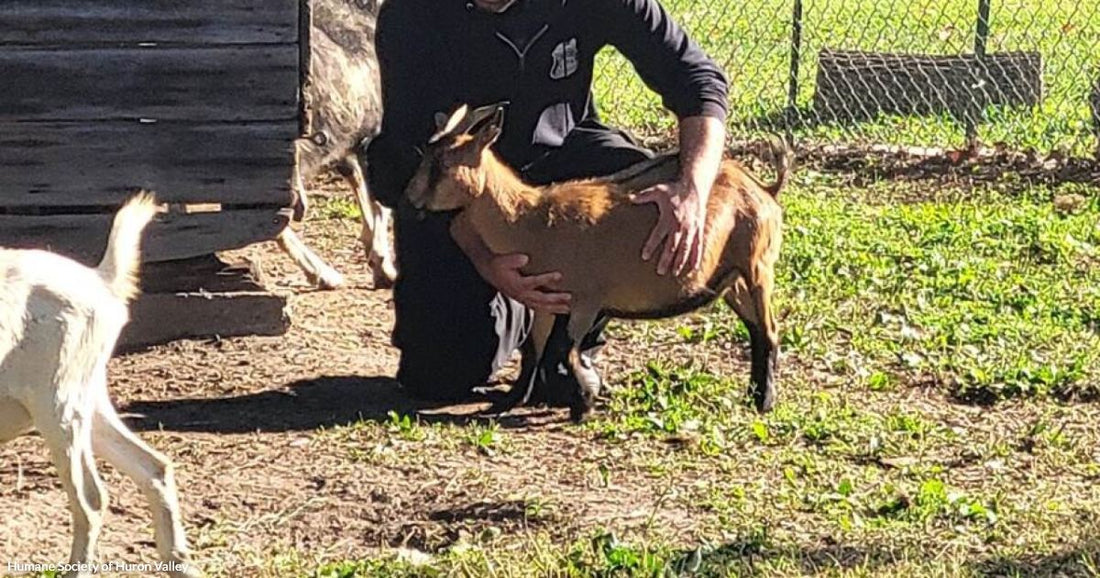
The recent rescue carried out by the Humane Society of Huron Valley is a sobering reminder of how hidden animal suffering can be, even in places that are marketed as harmless entertainment. In what officials have described as a large and complex humane society rescue, more than 120 animals were removed from a single individual who is already facing animal cruelty related charges. The case involves a wide variety of species, many in poor health and unsafe conditions, and raises serious questions about the reality behind some traveling petting zoos and pony ride operations.
According to information shared by the Humane Society of Huron Valley, workers found an extraordinary mix of animals on the property. Dogs, cats, horses, ponies, a donkey, goats, sheep, a rabbit, snakes, iguanas, frogs, tarantulas and more were all rescued from the suspect. That variety alone hints at how complicated proper care must have been for any one person or operation to provide. Each species has distinct needs, from housing and diet to veterinary care and handling. When authorities describe such a large collection of animals in poor and unsafe conditions, it is an indication that those needs were not being met in a basic, humane way.

Humane Society of Huron Valley
Officials report that many of the animals appeared to be in compromised health. While full medical details were not provided in the original report, the Humane Society confirmed that the animals are now receiving care. That care likely includes medical assessment, treatment, adequate nutrition, safe shelter and patient handling to reduce stress. For animals that may have been living in neglectful or chaotic circumstances, even simple interventions like clean bedding and regular food and water can represent a dramatic improvement.
The organization describes the rescue effort itself as both large and complex. This was not a simple removal of a handful of animals. Humane Society of Huron Valley CEO Tanya Hilgendorf noted the sheer number and diversity of animals and connected that reality to what she described as the suspect’s long history of cruelty. In her statement, she called the situation both heartbreaking and infuriating. That choice of words reflects two overlapping truths. There is the emotional weight of seeing animals suffer. There is also frustration that someone with prior animal cruelty related charges was able to maintain or rebuild access to so many vulnerable creatures.
Hilgendorf also pointed to Michigan’s current legal landscape. She acknowledged that the state has some decent laws on the books for animal protection, while emphasizing that stronger enforcement and tougher penalties are needed when animals are harmed. Her comments stop short of specific policy proposals and instead underline a broader concern familiar to many animal welfare advocates. Even where laws exist, they can only be as effective as their enforcement. When an individual has a documented history of cruelty, the stakes for vigilant oversight are especially high.
According to the Humane Society’s account, the suspect allegedly used these animals in traveling petting zoos and pony rides. Many families encounter such attractions at fairs, festivals or community events and may see them as wholesome or educational. Hilgendorf’s comments urge the public to look more critically at the conditions behind that surface image. She noted that while these operations may appear to offer harmless family fun, they can conceal immense suffering for the animals involved.
Her statement explains that animals forced into these types of roles frequently experience neglect, chronic stress and inadequate care, and can even face premature death. That framing challenges the assumption that if an animal looks calm or is accessible to the public, it must be well treated. Animals used in petting zoos or for rides may endure constant handling, limited rest, transport from site to site and living conditions that prioritize convenience or profit over welfare. When proper standards are ignored or enforcement is lax, these pressures can easily cross into abuse and cruelty.
The Humane Society’s cruelty investigation team and animal care staff reportedly worked through the holiday weekend to secure safety for every animal found on the property. That kind of operation requires coordinated effort. Investigators must document conditions, secure legal authority for removal and arrange appropriate transport. Animal care staff need to triage health issues, separate animals who may be at risk from one another and begin the long process of recovery. In this case, the organization notes that the situation has been devastating for everyone involved, especially the animals who, in Hilgendorf’s words, deserve so much better.
I found this detail striking because it highlights a reality that is easy to overlook. Many people interact briefly with an animal at a fair or petting zoo and assume that what they see in that moment reflects the animal’s whole life. The Humane Society’s account suggests that behind some of these short encounters lie systems that fail animals in fundamental ways. It is a reminder that appearances in these environments can be misleading and that asking questions about animal welfare is not just reasonable, it may be necessary.
In her closing remarks on the case, Hilgendorf encouraged the public to help protect animals by refusing to support exploitative ventures. That suggestion places part of the power for change in the hands of visitors and consumers. While regulations and enforcement are crucial, so is public awareness. If more people scrutinize the conditions behind traveling petting zoos and pony rides, fewer operators who neglect or mistreat animals may find willing customers. Choosing not to participate when there are signs of poor care, or when transparency is lacking, is one way to align everyday decisions with concern for animal welfare.
This rescue by the Humane Society of Huron Valley illustrates both the resilience of the animals who survived and the dedication of the teams who stepped in to help them. It also underscores a broader, uncomfortable truth. Harm to animals often happens out of sight. When it finally becomes visible through a large cruelty case or a mass rescue, that visibility can be painful, but it can also prompt reflection and change. For anyone who cares about animals, stories like this one are a call to remain attentive, to support reputable welfare organizations and to think carefully about the kinds of animal entertainment we choose to endorse.