
Federal Prosecutors Say Starvation And Fraud Were Hidden Behind A Breeder's Business
Guest Contributor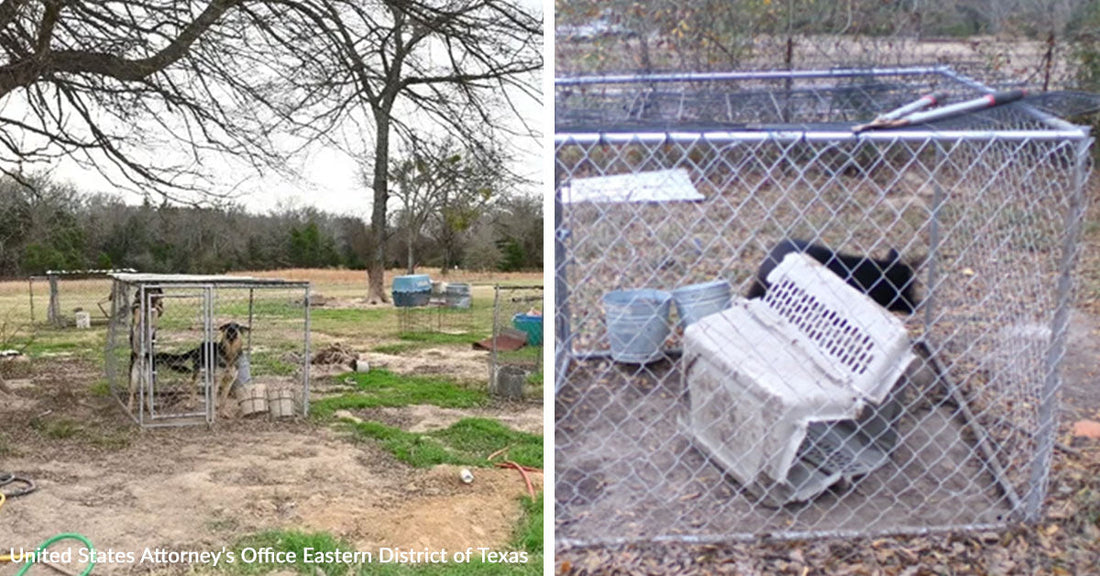
The federal indictment of a Hopkins County woman accused of running an unlicensed German Shepherd breeding facility has drawn attention to serious concerns about animal welfare, consumer protection, and the responsibilities that come with breeding dogs. According to prosecutors, what appeared to be a reputable source of purebred, American Kennel Club registered German Shepherds was, in reality, a deeply troubled operation. For anyone who cares about dogs, ethical breeding, or simply honest business practices, this case offers a sobering look at how things can go wrong behind the scenes.
Federal authorities allege that 51 year old Kristine Michelle Hicks, a resident of Cumby in Hopkins County, Texas, ran a business called Giant German Shepherds without a required federal license. Investigators say she marketed her dogs as healthy, purebred German Shepherds with ideal temperaments suited for families and even for service work. Buyers were reportedly paying thousands of dollars for these animals, believing they were getting carefully bred, well documented puppies from a responsible breeder.

According to information from the U.S. Attorney’s Office for the Eastern District of Texas, the reality described in the indictment looks very different. Prosecutors say many of the dogs sold through Giant German Shepherds had questionable parentage and false paperwork. Some animals were allegedly mixed breeds or came from randomly sourced litters, rather than from a planned breeding program with documented bloodlines. Despite this, customers were reportedly assured that their dogs came with legitimate American Kennel Club registration and that they could trust the dogs’ backgrounds.
The indictment goes further, describing health issues and behavioral problems that appear to contradict the promises made to buyers. Some dogs, according to prosecutors, were unhealthy or suffering from disease. One especially troubling example involved a dog sold to a paralyzed, bedridden, disabled veteran who was told the animal would be suitable for life in that environment. The indictment alleges that the dog became so aggressive it drew blood several times, a heartbreaking outcome for someone likely relying on the dog for companionship and assistance.
These allegations point to more than just mislabeling or sloppy paperwork. They describe a pattern of wire fraud, where electronic communications and transactions are used to deceive buyers about what they are purchasing. When someone spends thousands of dollars on a dog they have researched and carefully chosen, they expect honesty. It is not only a financial commitment but an emotional one, and this case highlights how devastating it can be when trust between breeder and buyer is broken.
The investigation into the Hopkins County breeding operation reportedly began in December, when authorities received a tip about a video posted on social media. In that video, Hicks is alleged to have shot and killed a dog that was tied to a tree. That clip reportedly prompted deeper scrutiny from law enforcement and animal welfare professionals, who then took a closer look at the facility and the conditions in which the dogs were being kept.
According to the indictment, what they found painted a grim picture. Prosecutors say the animals at the Giant German Shepherds facility were housed in what are described as deplorable conditions. Many of the dogs reportedly required emergency veterinary care for issues linked to starvation, parasite related illnesses, lack of regular veterinary treatment, and missing immunizations. The indictment also alleges that the shelter available to the dogs was inadequate, leaving them without proper protection from environmental exposure.
Over the course of the investigation, nearly 90 dogs were reportedly surrendered to animal care agencies. That number offers a sense of the scale of the operation and the potential impact of neglect across a large group of animals. While the indictment itself does not detail the current status of those dogs, their surrender to animal care organizations suggests that rescue groups and shelters have stepped in to provide immediate support, including food, medical attention, and more appropriate housing.
I found the scale of the allegations particularly striking because it reflects more than a single incident of poor judgment. Instead, the indictment describes a pattern of conduct that allegedly affected dozens of animals and numerous buyers. It serves as a reminder that responsible dog breeding is about far more than producing desirable traits or attractive puppies. At its core, ethical breeding requires transparency, health testing, appropriate living conditions, and a long term commitment to the well being of each animal brought into the world.
This case also underscores the importance of regulatory oversight. Federal law requires certain animal dealers to obtain a license, which comes with standards and inspections intended to protect animals and consumers alike. By accusing Hicks of acting as an animal dealer without a license, prosecutors are suggesting that she bypassed a system meant to impose some level of accountability. While licensing alone does not guarantee perfect conditions, it creates a framework for monitoring, enforcement, and basic welfare standards.
For potential dog owners, stories like this highlight why careful research is essential when seeking a breeder. Verifying registrations, asking to see health clearances, visiting facilities in person when possible, and speaking with previous buyers are all common recommendations. Many reputable breeders welcome questions and are transparent about both the strengths and limitations of their breeding programs. When information is vague or documentation appears inconsistent, those can be important warning signs.
At the same time, it is worth acknowledging the work done by animal care agencies and law enforcement when operations like this are investigated and shut down. According to the indictment, nearly 90 dogs were removed from difficult conditions, an effort that likely required considerable resources, coordination, and ongoing care. While the legal process plays out, those agencies remain on the front lines of providing for the animals’ immediate needs.
As of the indictment, Hicks faces charges of wire fraud and acting as an animal dealer without a license. If convicted, she could face up to 20 years in federal prison. The case will continue through the legal system, where evidence will be weighed and a final outcome determined. Regardless of the verdict, the allegations alone have already prompted important conversations about animal welfare standards, ethical breeding of German Shepherds, and the responsibilities of anyone who profits from selling animals.
For communities in and around Hopkins County and for the broader public, this story may serve as a call to remain attentive to how animals are treated in breeding facilities, shelters, and homes. It also reinforces the value of speaking up when something seems wrong, as a single tip and a troubling video appear to have opened the door to a significant federal investigation. In that sense, awareness and advocacy can be powerful tools in protecting animals who cannot speak for themselves. Read more at https://www.fox4news.com/news/hopkins-county-woman-indicted-running-unlicensed-german-shepherd-breeding-facility