
🚨Urgent: Missile Strikes Shelter in Ukraine! Rush Emergency Aid!
Unlocking Avocado Seed Benefits for Joint Health and Natural Antioxidants
Guest Contributor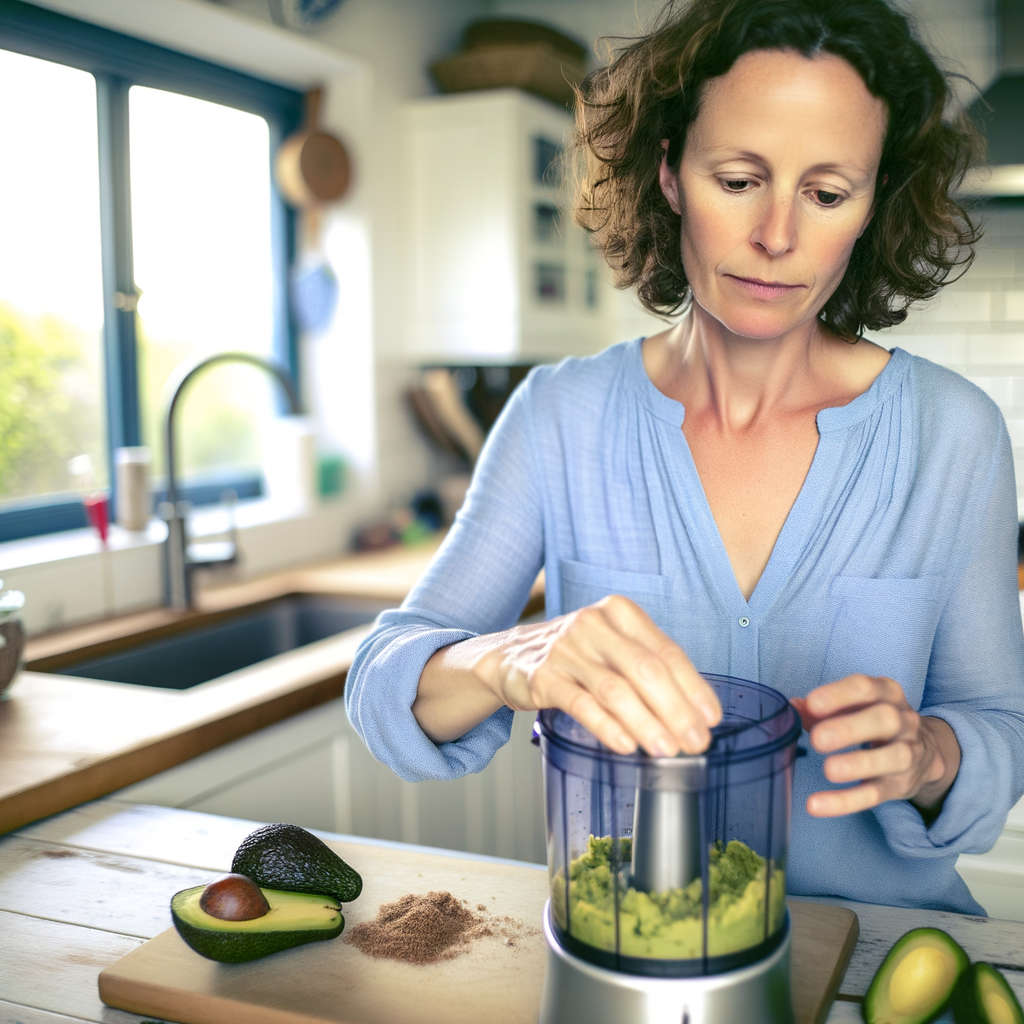
Avocados have long enjoyed their place in the spotlight as a superfood, praised for their rich nutrient profile and versatility in everything from salads to smoothies. But while most of us are familiar with the creamy green flesh, there's a part of the fruit that often ends up in the trash — the seed. As it turns out, that dense, overlooked core may be one of the most nutrient-dense parts of the avocado. If you're interested in harnessing more from your food, especially when it comes to natural antioxidants and digestive support, the avocado seed might be worth a second look.

The original article from Remedy Daily highlights that avocado seeds contain more than 70 percent of the fruit’s total antioxidant content. That’s a striking figure, especially considering how often the seed is discarded without a second thought. These antioxidants, which include catechins and procyanidins, are known for their anti-inflammatory properties. According to the source, these compounds can help reduce swelling, stiffness, and pain in the joints, offering potential benefits for individuals managing arthritis or chronic joint discomfort.
In addition to joint health, the fiber content in avocado seeds may support digestion and blood sugar regulation. The article notes that this fiber can contribute to a greater feeling of fullness after meals, which could be useful for those trying to manage their appetite or reduce sugar cravings. Fiber is also widely recognized for its role in stabilizing blood glucose levels, which may help prevent energy crashes and overeating.
Another area where avocado seeds may offer benefits is skin and hair care. The antioxidants present in the seed are reported to help repair damaged skin cells and support collagen production. Collagen is a protein that helps maintain skin elasticity and strength, and its production typically declines with age. The article also mentions that combining avocado seed powder with castor oil could improve the appearance and health of dry or dandruff-prone hair, promoting shine and hydration.
One of the challenges with incorporating avocado seeds into your diet is their tough outer shell. The article outlines a method for safely removing and preparing the seed. After extracting the seed from the fruit — a process that involves embedding a knife into the seed and twisting — it can be chopped or processed into a powder. This powder can then be added to smoothies or used in herbal infusions. The author cautions that this process requires a strong, reliable food processor, and attempting it with inadequate equipment could be both difficult and unsafe.
There is also a note of caution regarding initial consumption. Because the human body may not be accustomed to digesting avocado seeds, some individuals might experience mild gastric discomfort at first. However, the article emphasizes that the seed is not harmful and, in fact, offers a range of health-supportive properties. As with any new dietary addition, moderation and gradual introduction are advisable.
I found this detail striking: despite the avocado’s reputation for being nutrient-rich, the seed — typically discarded — may actually contain the majority of its antioxidants. This challenges the common assumption that the fruit’s benefits are confined to its flesh and suggests there’s more to explore in how we use plant-based foods.
For those interested in natural remedies, digestive health, and antioxidant-rich foods, the avocado seed offers an intriguing option. While it requires some effort to prepare, the potential benefits for joint health, digestion, and skin care make it a compelling addition to a holistic wellness routine. As always, it’s important to approach new health practices with care and consult a healthcare professional when needed.