
🚨Urgent: Missile Strikes Shelter in Ukraine! Rush Emergency Aid!
Veteran Denied Disability Benefits Sparks Call for Government Agency Reform
Guest Contributor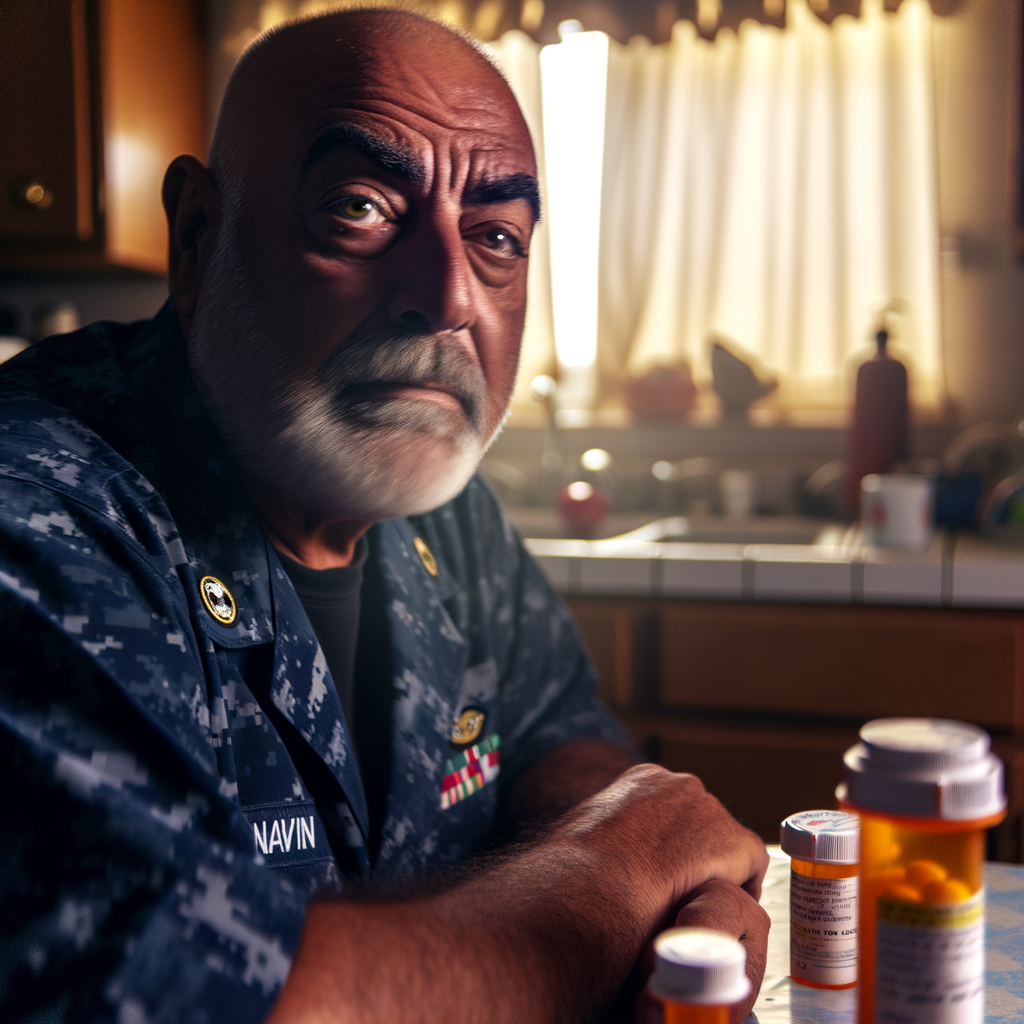
When military veterans return from service, especially those who have endured physical or psychological trauma, society has a responsibility to ensure they are supported. The case of Daniel Norfleat, a retired U.S. Navy veteran, raises serious questions about how well that promise is being upheld. Norfleat, who served during the tragic USS Lexington crash in 1989, was deemed "unemployable" by the Department of Veterans Affairs (VA) due to a long list of debilitating health conditions. Yet, despite that determination, the Social Security Administration (SSA) later denied him disability benefits, citing their own assessment that he could work. This conflict between two federal agencies has left Norfleat, and others like him, in a troubling limbo.

Daniel Norfleat's military service is marked by bravery and sacrifice. He was aboard the USS Lexington when a training aircraft crashed into the ship, killing five and seriously injuring 19 others. Since that incident, Norfleat has battled numerous health issues, including a heart attack, stroke, multiple knee surgeries, insomnia, depression, and post-traumatic stress disorder (PTSD). According to reporting from 11Alive, he takes more than two dozen medications daily to manage his symptoms and has been classified as 90 percent disabled by the VA. The agency also determined that he is unemployable due to the severity of his conditions.
Initially, the Social Security Administration agreed with this assessment and approved Norfleat for disability benefits. However, after he applied for back-pay—compensation for the time he spent waiting for his benefits to begin—everything changed. Not only was his request for back-pay denied, but his benefits were also terminated altogether. The SSA's administrative law judge concluded that Norfleat was capable of working, directly contradicting the VA’s earlier determination.
What makes this situation especially perplexing is the lack of coordination between two government agencies tasked with evaluating disability. “I was stunned,” Norfleat told 11Alive. “They’re both government agencies. So, why wouldn’t one believe the other?” His wife, Deloris, echoed his confusion, noting that 15 different doctors—each treating Norfleat for separate medical issues—had all concluded he was unable to work.
The answer may lie in a policy change made by the Social Security Administration in early 2017. Before this change, SSA judges were required to explain why they disagreed with a VA disability determination. Now, they are no longer obligated to provide such an explanation. Marilyn Zahm, President of the Association of Administrative Law Judges, explained to 11Alive that the two systems operate under different criteria and that SSA judges are not required to defer to the VA’s conclusions.
This procedural shift has significant implications for veterans seeking Social Security disability benefits. Without a requirement for judges to explain their reasoning, it becomes much harder for applicants to appeal decisions. “You can’t appeal something or challenge something if there’s no language in the decision to address it,” said Tim Klob, an attorney who works with veterans. This lack of transparency may leave many veterans without a clear path forward when their claims are denied.
I found this detail striking: despite being under the care of numerous independent medical professionals, and despite a VA decision confirming his unemployability, Norfleat’s claim was still rejected by another arm of the federal government. The disconnect between these agencies highlights a systemic issue that could affect many veterans navigating the disability benefits process.
Since his story was brought to light, Norfleat has begun the process of appealing the SSA’s decision. Public support has grown, with many taking to social media to express their concern and solidarity. The case has sparked a broader conversation about how veterans are treated when they return home and the bureaucratic hurdles they often face in accessing the support they need.
For those following Norfleat’s journey, the hope is that his appeal will be successful and that his case will prompt a reexamination of how disability determinations are handled across federal agencies. Veterans who have sacrificed so much deserve a system that works in their favor, not against them. Ensuring that determinations of unemployability are respected across agencies is not just a matter of administrative efficiency—it’s a matter of justice and respect for those who have served.