
🚨Urgent: Missile Strikes Shelter in Ukraine! Rush Emergency Aid!
Veteran Teacher Inspires Students to Honor Military Service and Sacrifice
Guest Contributor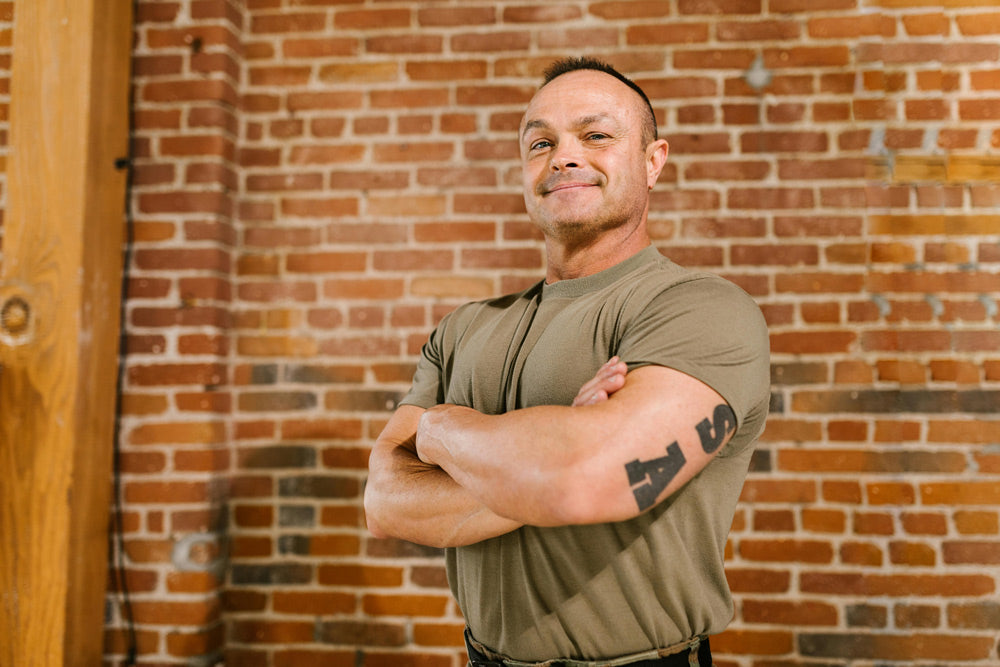
For Brad Marcy ’09, M.S. ’17, the path to becoming a teacher began not in a classroom but on the front lines of the Iraq War. A U.S. Army veteran who served with the 233rd Military Police Company in the Third Infantry Division, Marcy spent six years on active duty, including a 15-month deployment in Baghdad during the early stages of the war. It was there, amid the intensity of military life, that he first discovered a talent—and a calling—for education. This journey from soldier to educator now defines his career as a high school teacher who uses immersive, hands-on learning to inspire students to honor military veterans.

Marcy’s experience in the military shaped not only his worldview but also his teaching philosophy. He credits his squad leader, Staff Sgt. Jermey Mayes, with recognizing his potential early on. “I was an introvert, and he told me I was going to teach,” Marcy recalled. “So I taught a lot of classes to soldiers, which made me think, ‘I can do this.’” That encouragement proved prescient. This past April, Marcy was named Teacher of the Year by Illinois State University’s College of Education—a recognition that underscores his commitment to student engagement and civic responsibility.
Now in his 14th year of teaching at Le Roy High School in Central Illinois, Marcy leads the history and social science department. His lessons go beyond textbooks, often incorporating experiential projects that bring historical events and civic duties to life. One of the most impactful initiatives he leads is the Good Cemeterian project, which invites students to care for and research the lives of local military veterans whose headstones have weathered with time.
This project began when Marcy noticed neglected veterans’ graves at Oak Grove Cemetery in Le Roy. Rather than simply point out the problem, he turned it into a meaningful educational opportunity. Students in his American history class select a headstone to clean using a specialized, non-damaging cleaner that kills biological growth like moss and lichen. But the learning doesn’t stop there. They also dive into genealogical and military research using platforms like Ancestry.com, Fold3, and Newspapers.com to uncover the stories behind the names etched in stone.
“We want to tell these veterans’ stories and make sure they’re memorialized and remembered properly,” Marcy explained. Students compile biographical packets that include military records, newspaper archives, and visual design elements. They then locate and contact the veterans’ nearest living relatives to share the research and restoration work. This blend of historical inquiry, technology, and real-world communication builds valuable academic and interpersonal skills.
What makes Marcy’s approach particularly effective is his ability to connect emotionally resonant topics—such as military service and sacrifice—with active, student-centered learning. “You have to meet them where they’re at and get them outside of their comfort zone if you want to impact them,” he said. “I like to get them moving because just talking to them old school doesn’t do it.” His students build catapults, design battle shields, and organize World War II-themed dances, all in the name of making history tangible and relevant.
Marcy’s own background adds authenticity to his teaching. A Springfield native, he was inspired by his father, a Vietnam War Army Ranger, and followed in the academic footsteps of his brother and sister-in-law, both Illinois State alumni. After returning from Iraq, he enrolled at Illinois State University, where he eventually met his wife, Ashlie Morfey Marcy ’09, who also teaches history and serves as a librarian in the Le Roy school district. Together, they are raising two daughters, Kennedy and Carsen, and share a deep commitment to education and community service. Their ISU-themed wedding, complete with a first dance to “The Chicken Dance” and an appearance by Reggie Redbird, reflects their enduring connection to the university.
Originally aspiring to become a physical education teacher, Marcy found his true calling in teaching history—particularly material that resonates with his military background. His students’ engagement with veteran-related topics is a continual source of motivation. “They aren’t moved or inspired by grades alone. They are more motivated by the impact they can have,” he said. “When they know that real people are counting on them, they come through for you.”
I found this detail striking: students not only clean headstones but also send personalized research packets to descendants. It’s a powerful example of how education can bridge generations and foster empathy. Marcy’s method shows that when students are trusted with meaningful work, they rise to the occasion—not for a grade, but for a cause.
His teaching style reflects a broader shift in education toward project-based learning and community engagement. By integrating hands-on activities with digital research tools, Marcy creates a dynamic classroom environment that honors the past while equipping students with modern skills. At its core, his work is about service—both to his country and to the young minds he now mentors.
As Marcy prepares for another school year, his story stands as a testament to the enduring impact of veterans in civilian life, especially when they bring their experiences into the classroom. Through initiatives like the Good Cemeterian project, he ensures that the sacrifices of those who served are not forgotten—and that the next generation learns to remember with purpose.