
🚨Urgent: Missile Strikes Shelter in Ukraine! Rush Emergency Aid!
Vietnam Veteran Doug Miller Reflects on Life and Military Service
Guest Contributor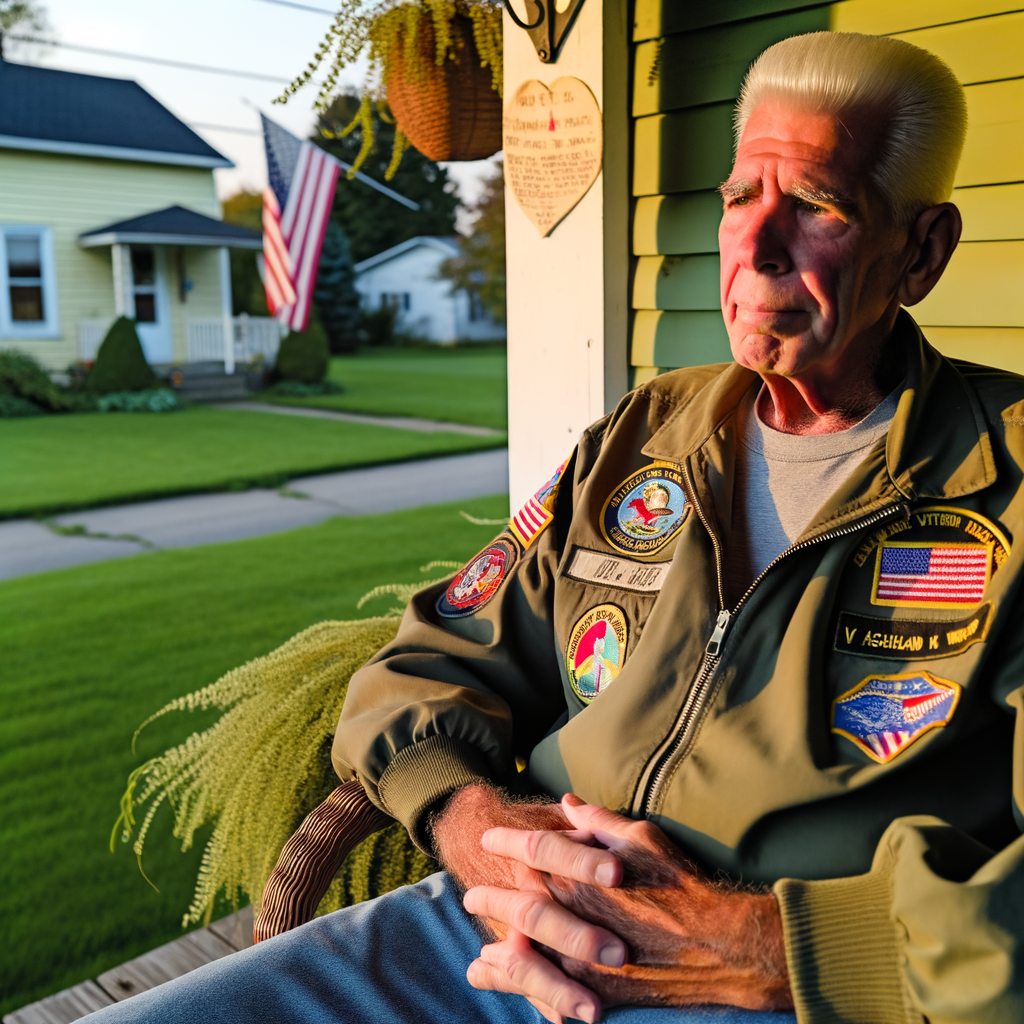
Fifty-seven years ago, a young man from Ashland, Ohio, made a decision that would alter the course of his life and leave a lasting imprint on his character. Doug Miller was just 18 years old when he volunteered for military service during one of the most turbulent periods in American history—the Vietnam War. His story, recently shared in a feature by Ashland County Pictures, offers a powerful reflection on courage, sacrifice, and the enduring impact of service. For readers seeking insight into the Vietnam War, military leadership training, and personal transformation through service, Miller’s journey provides a compelling narrative.

On August 6, 1968, Miller was inducted into the United States Army at the Cleveland Military Entrance Processing Station. At an age when many of his peers were preparing for college or entering the workforce, he chose a different path, driven by a sense of duty. “I did this because I believed it was the right thing to do,” he said. That conviction would carry him through some of the most challenging experiences of his life.

His military journey began at Fort Knox, Kentucky, where he underwent Basic Combat Training. From there, he moved to Fort Polk, Louisiana, for Advanced Infantry Training, preparing for his role as an infantryman—Military Occupational Specialty 11B. But it was his selection for Infantry Leadership Training at Fort Benning, Georgia, that marked a turning point. The 16-week program was known for its intensity, designed to prepare soldiers for leadership roles in combat zones. Miller’s completion of this training signaled not only his physical readiness but also his capacity to lead under pressure.
Shortly after, Miller was deployed to the Republic of Vietnam and assigned to the First Infantry Division, known as “The Big Red One.” This division holds a storied place in U.S. Army history, recognized for its involvement in major conflicts and its reputation for resilience. In Vietnam, Miller found himself in a conflict that tested not only his tactical skills but also his moral compass.
“The next few years would test me in ways that I would have never imagined,” he recalled. “My value system and beliefs of right and wrong were challenged and shaken.” Such words underline the psychological toll of war, a reality that many Vietnam veterans have quietly carried for decades. The experience of combat, especially in a war as complex and controversial as Vietnam, often forced young soldiers to confront ethical dilemmas and emotional hardships far beyond their years.
Yet amid the chaos and adversity, Miller witnessed moments that revealed the depth of human character. “I was given the opportunity to see the best of young men when faced with the worst conditions,” he said. That observation speaks to the camaraderie and resilience that often emerge in the harshest environments. For many veterans, these bonds and shared experiences become a defining part of their identity long after the war ends.
Reflecting on his service, Miller emphasized how those formative years shaped his future. “It was that experience that helped prepare me for the future,” he said. The discipline, leadership, and perspective gained during his time in Vietnam influenced not only his career but also his approach to life. His story serves as a reminder of the long-term impact military service can have—not just in terms of sacrifice, but also in personal growth and strength.
As the nation continues to recognize the contributions of Vietnam veterans, stories like Miller’s offer essential context. These narratives help illuminate the human side of history, moving beyond statistics and policy debates to focus on individual experience. I found this detail striking: despite the trauma and challenges he faced, Miller still describes his decision to serve as “the right thing to do.” That sense of purpose, even decades later, highlights the enduring values of honor and service that defined his choice.
Today, Doug Miller’s reflection stands as a tribute not only to his own journey but also to the thousands of young men and women who answered the call during a difficult era. His account reminds us that behind every uniform is a personal story—one of courage, doubt, resilience, and, ultimately, commitment to something greater than oneself.
For those interested in the lived experiences of Vietnam War veterans, the evolution of military training, or the personal cost of service, Miller’s story offers a meaningful perspective. It underscores the importance of preserving and sharing these individual histories, especially as the generation of Vietnam veterans grows older. Their voices provide vital insight into a chapter of American history that continues to resonate today.