
🚨Urgent: Missile Strikes Shelter in Ukraine! Rush Emergency Aid!
Vietnam War Veteran’s Heat Survival Story Highlights Pacific Northwest Heat Wave Risks
Guest Contributor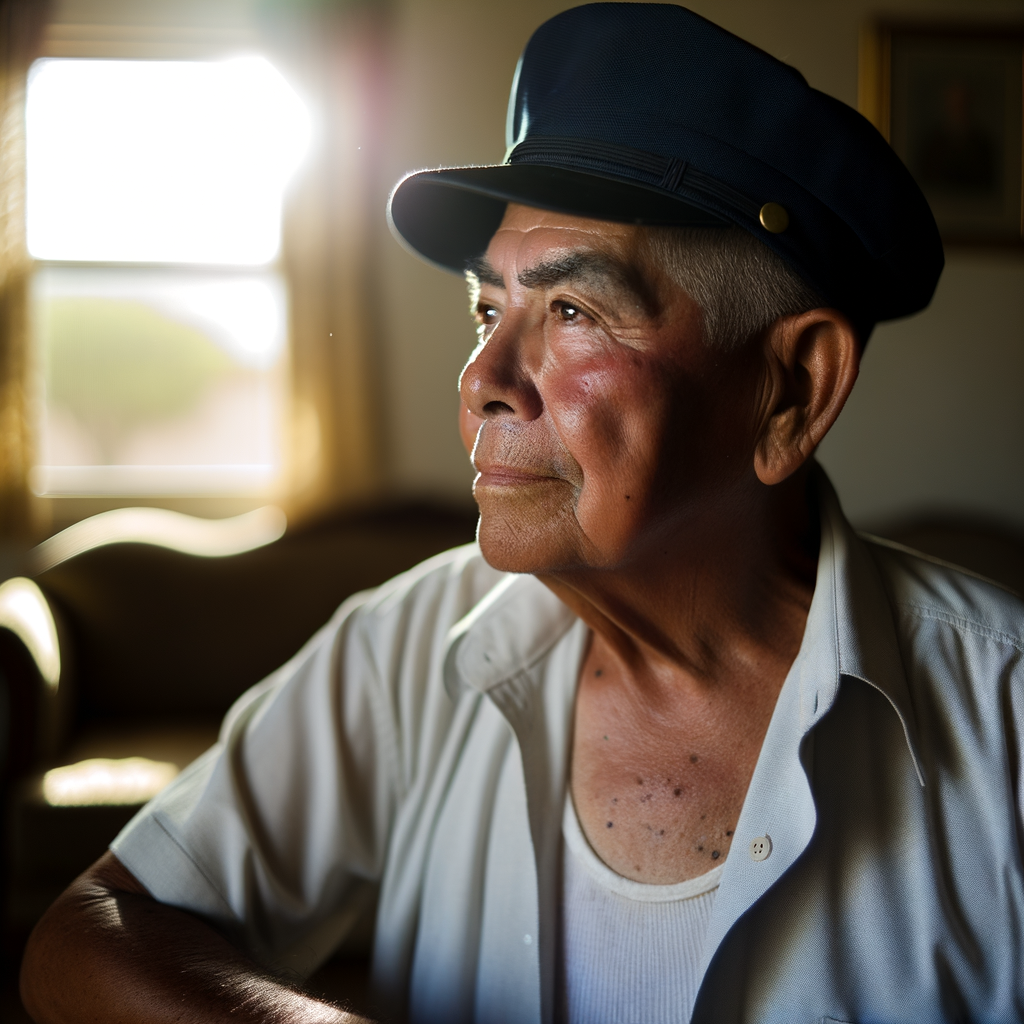
As the Pacific Northwest braces for a punishing heat wave, a recent story from a Vietnam War veteran offers a sobering reminder of how dangerous extreme heat can be—especially when combined with confined spaces and limited ventilation. A heat advisory is currently in effect from 11 a.m. to 8 p.m. PDT Tuesday for regions across Oregon and Washington, including Central Oregon, the John Day Basin, and the Northern Blue Mountains. Temperatures are expected to climb as high as 97 degrees, posing a moderate to major risk of heat-related illness. The advisory brings heightened relevance to the veteran’s account of life below deck in the U.S. Navy, where blistering heat was a daily reality.

The veteran, who served during the Vietnam War, recalls working in the boiler room of a Navy ship—an environment where temperatures routinely soared above 100 degrees. According to the report, the oppressive heat was not just uncomfortable but physically dangerous. Crew members had to remain alert to avoid heat exhaustion and other serious health risks. This historical perspective serves as a poignant counterpoint to today’s weather alerts, emphasizing that while technology and infrastructure have improved, the human body’s limits remain unchanged.
For those living in the affected areas, the National Weather Service urges caution. People are advised to stay in air-conditioned spaces, drink plenty of fluids, and avoid strenuous outdoor activity during peak heat hours. The Occupational Safety and Health Administration recommends frequent rest breaks in shaded or air-conditioned environments for those who must work outdoors. These guidelines echo the survival strategies employed by sailors decades ago, who learned to pace themselves and rely on each other to stay safe in extreme conditions.
Adding to the urgency, an air quality alert has also been issued for Southern Deschutes County, including Sunriver and La Pine, due to smoke from nearby wildfires. The Oregon Department of Environmental Quality warns that pollutants in smoke can aggravate heart and lung conditions, cause burning eyes, and trigger other health problems. Residents are encouraged to limit outdoor activities and keep children indoors if smoke levels become severe. This layered threat—heat combined with poor air quality—creates a hazardous environment that demands vigilance and preparation.
I found this detail striking: the veteran’s memories of the ship’s boiler room are not just historical anecdotes but living reminders of the physical toll that heat can exact. The confined, sweltering environment he describes mirrors the conditions some people may face today if they lack access to adequate cooling. His story underscores the importance of community awareness and preparedness, particularly for vulnerable populations such as the elderly, young children, and those with preexisting health conditions.
In the veteran’s recounting, camaraderie played a crucial role in enduring the heat. Shipmates looked out for one another, recognizing the signs of heat exhaustion and stepping in when someone faltered. Today, public health officials similarly urge communities to check on neighbors and relatives, especially those who may be isolated or without air conditioning. This sense of collective responsibility remains as vital now as it was on the high seas decades ago.
As wildfires continue to burn across the region, contributing to unhealthy air conditions, the importance of staying informed cannot be overstated. Agencies recommend visiting local resources such as 211info.org for Oregon and wa211.org for Washington to find shelter and human services. These platforms can provide critical support for those needing assistance during the heat wave and smoke advisory.
While the veteran’s experience is rooted in the past, it resonates powerfully in the present. His story, shared through Central Oregon Daily, is a compelling reminder of human resilience in the face of environmental extremes. It also highlights the enduring need for preparedness, awareness, and mutual support. With temperatures climbing and air quality deteriorating, these lessons are more relevant than ever.
For additional information about the air quality advisory, visit http://www.oregon.gov/DEQ. And for a deeper look into the veteran’s story of service and survival in the Navy’s boiler room, Read more at centraloregondaily.com