
Seventeen Cats Died Inside A Rescue Where Temperatures Allegedly Climbed Toward 100 Degrees
Guest Contributor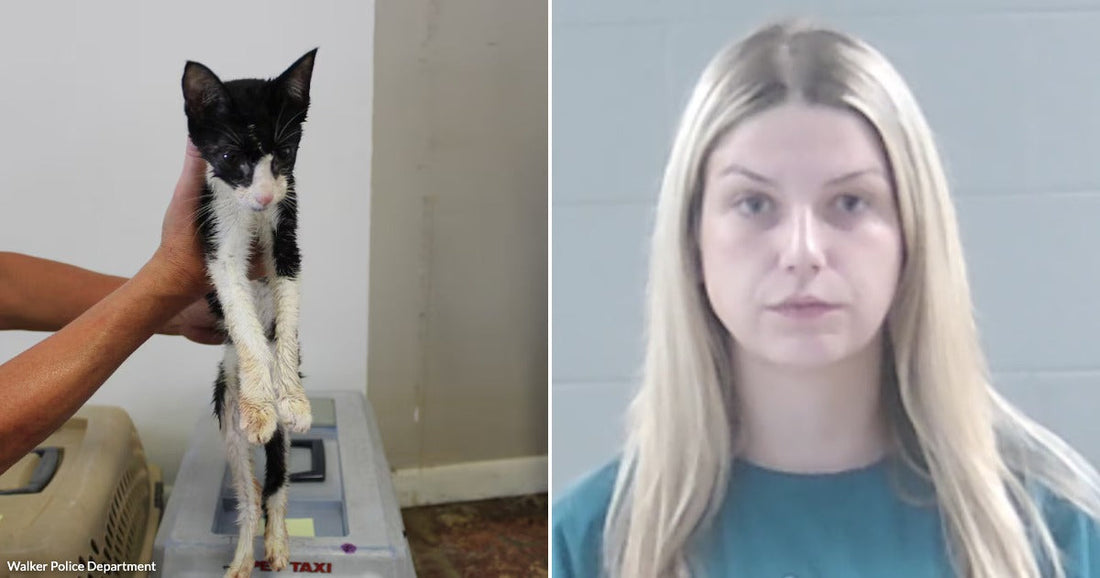
The discovery of 17 cats found dead and 20 more rescued from extreme heat at a Walker, Louisiana business has shaken many animal lovers and local residents. This disturbing case of alleged aggravated animal cruelty at a facility called “Waffles Way Home” reveals how quickly neglect can turn deadly for vulnerable animals, particularly during high temperatures. It also shows how local agencies and volunteers can mobilize to save lives when every minute counts.
According to the Walker Police Department, officers were called around 12:30 p.m. on Saturday, Sept. 12, to check on a report of suspected animal cruelty at the business on Florida Boulevard. When officers arrived and entered the building through an open door, they encountered a scene that officers described as heartbreaking: nearly 40 cats and kittens trapped inside, with no food, no water, and indoor temperatures close to 100 degrees.

Police reported that 17 of the cats and kittens were already dead when they were found. The remaining 20 were described as being in severe distress, clearly struggling in the sweltering heat. Authorities say these animals had no way to escape the environment they were kept in, and no apparent access to the basic care that could have prevented such suffering. I found this detail striking because it highlights how dependent domesticated animals are on humans for even their most basic needs.
In response to the emergency, multiple groups came together to care for the surviving animals. Walker Animal Control, staff from the Denham Springs Animal Shelter, and volunteers with the local nonprofit Rescue, Rehome & Repeat joined officers at the scene. They provided emergency medical attention and temporary shelter to the surviving cats and kittens, working to stabilize animals that had been pushed to the brink by heat and dehydration.

Walker Police Department
Photos shared by the Walker Police Department show some of these rescued kittens, small and fragile, receiving care after their ordeal. Although images cannot fully convey the conditions they endured, they help illustrate the seriousness of situations that may begin as neglect and spiral rapidly into life-threatening cruelty when animals are confined without resources in extreme temperatures.
Following the initial response, investigators identified 29-year-old Madison Rebecca Colello as the person operating “Waffles Way Home.” Detectives obtained a warrant, and authorities report that she later surrendered at the Livingston Parish Detention Center. Jail records show that she now faces a lengthy list of charges connected to the cats that officers found both deceased and in distress.

Walker Police Department
Colello has been charged with 17 felony counts of aggravated animal cruelty and 37 misdemeanor counts of animal cruelty. Records also list 11 counts of cruelty to animals and one count of aggravated cruelty to animals. Her bond was set at 40,000 dollars. Police also indicated that additional charges may be possible as the investigation continues. The long list of counts reflects how each animal is treated as an individual under the law in animal cruelty cases.
Walker Police Chief David Addison addressed the public’s concern with a clear statement about the department’s position on the case. He described the suffering of the cats and kittens that were allegedly under Colello’s care as a “terrible fate” and called the number of animals affected “heartbreaking.” He also said that the Walker Police Department intends to send a clear message that this type of abuse will not be tolerated in the city. The chief’s comments underscore how seriously local law enforcement is treating the allegations.

Walker Police Department
The situation at “Waffles Way Home” is not the only location under scrutiny. The Livingston Parish Sheriff’s Office reported that the broader investigation began over the same weekend at a home on Sabine Drive in Denham Springs. Deputies responding there found an adult cat and 11 kittens locked inside a hot garage. Although deputies said the space itself was clean, the animals were still facing intense heat and had not received adequate veterinary care.
Of the kittens in that garage, five were reported to be in poor condition. One of those kittens was suffering to such an extent that it had to be euthanized. This detail drives home how even environments that appear orderly or “clean” can still be unsafe and deadly when animals are exposed to high temperatures without proper monitoring, cooling, hydration, and medical support.
Taken together, the two locations highlight a sobering reality. Animal cruelty is not always immediately visible from the outside. In both instances, cats and kittens were confined inside enclosed spaces, cut off from relief from the heat. When temperatures rise, a garage or interior room can quickly reach dangerous levels, especially for young, elderly, sick, or confined animals. Heat-related distress develops fast and, without intervention, can rapidly turn fatal.
Cases like this one can also raise important questions about oversight for animal-focused businesses and rescues. While the article does not provide additional background on “Waffles Way Home,” the presence of so many animals in a single location underscores how quickly conditions can deteriorate if staffing, resources, or management are not sufficient. It also shows why community members may play a crucial role by reporting suspected cruelty or neglect when they see or suspect it, allowing authorities to intervene before more animals are harmed.
For readers, this story may be a painful reminder of how vulnerable animals are when entirely dependent on human caregivers for food, water, shelter, and medical attention. It also highlights how essential it is to recognize the warning signs of neglect, especially during extreme weather. Lack of ventilation, absence of water, signs of distress such as heavy panting or lethargy, and animals confined in spaces prone to overheating all warrant immediate concern and, when appropriate, reports to local animal control or law enforcement.
Yet within this deeply troubling event there is also a measure of reassurance. Local law enforcement agencies, animal control, shelters, and nonprofit rescue organizations responded quickly and in coordination, doing what they could for the surviving animals. Their efforts show a community infrastructure that takes animal cruelty seriously, both in terms of urgent rescue and long-term legal accountability.
As the investigation continues, more information may emerge about how these animals came to be in such conditions and what steps will be taken to prevent similar situations in the future. For now, the case stands as a powerful reminder that animal cruelty can take the form of neglect as well as overt violence, and that keeping animals safe requires constant attention, especially during periods of extreme heat. Readers who care about animal welfare can stay informed, support reputable shelters and rescue groups, and speak up when something does not seem right. The lives of the surviving cats and kittens in Walker show how much of a difference a timely intervention can make.