
🚨Urgent: Missile Strikes Shelter in Ukraine! Rush Emergency Aid!
West Africa Food Crisis Deepens as Millions Left Without Aid
Guest Contributor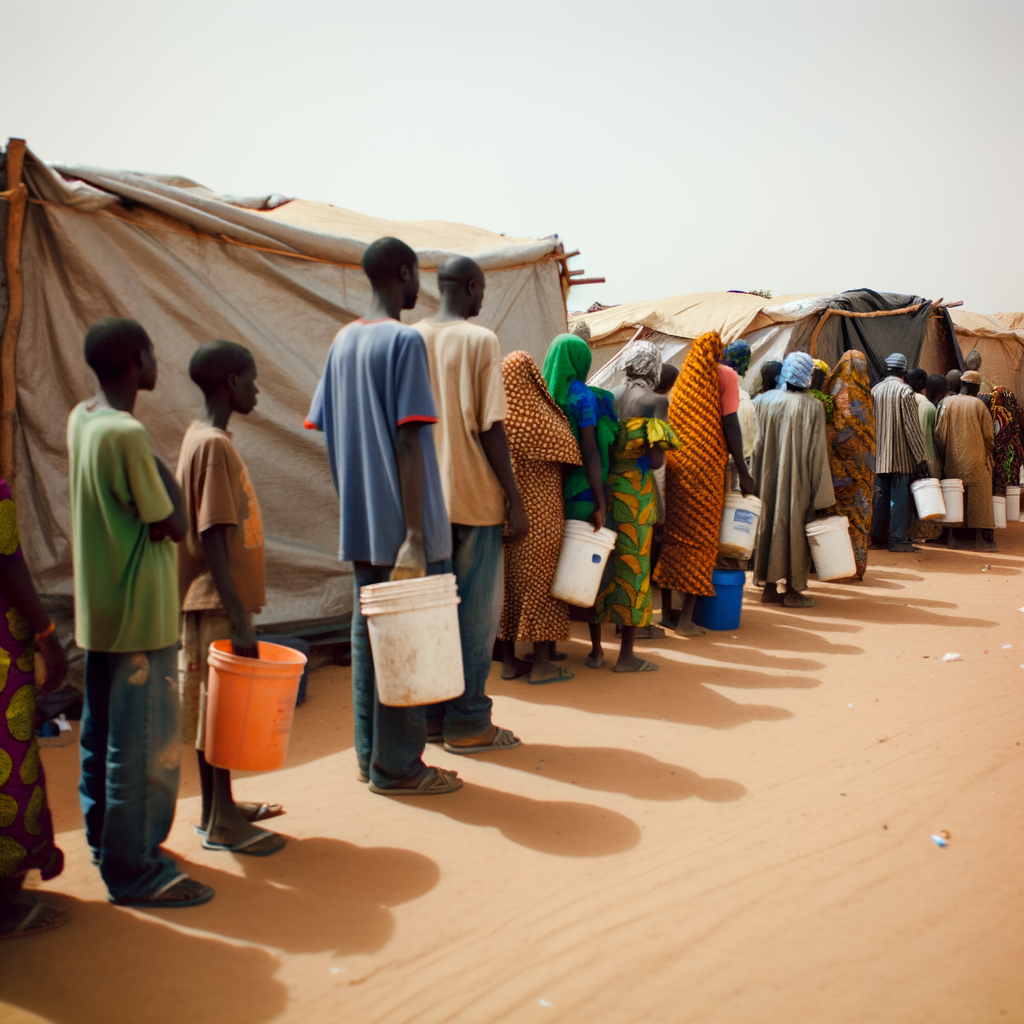
West Africa is facing a devastating food crisis, the worst the region has seen in a decade. According to a recent statement from the United Nations World Food Program (WFP), millions of people across the region are going without aid during this year’s lean season, a critical period between harvests when food scarcity peaks. As the crisis deepens, nearly half of the 11.6 million individuals targeted for food assistance are receiving no help at all. This unfolding emergency highlights the urgent need for humanitarian aid and long-term investment in food security and social protection systems across West Africa.

The WFP attributes this dire situation to multiple, compounding factors. Long before the disruption caused by Russia’s war in Ukraine and the severe flooding of last year, the region was already grappling with the consequences of ongoing conflict, prolonged drought, and the economic aftershocks of the COVID-19 pandemic. These challenges have collectively pushed more than 27 million people into hunger. Now, as the lean season stretches from June to August, the number of food-insecure individuals has surged to 47.2 million across West and Central Africa. The most vulnerable populations—women and children—are bearing the brunt of this crisis.
Margot Vandervelden, the WFP’s interim regional director for Western Africa, expressed grave concern over the current state of affairs. “We’re in a tragic situation,” she stated, warning that millions of families will not have enough food to sustain themselves until the next harvests in September. Vandervelden emphasized the need for swift and decisive action to prevent what she described as a “massive slide into catastrophic hunger.”
The human toll of this crisis extends beyond hunger. The WFP warns that desperation is leading people to make dangerous choices. Hundreds of thousands are at risk of turning to armed groups, entering into early marriages, or engaging in survival sex as a means of staying alive. These coping strategies not only endanger individual lives but also threaten to destabilize communities and deepen cycles of poverty and violence.
One particularly alarming aspect of the crisis is the dramatic rise in malnutrition among children. The WFP estimates that 16.5 million children under the age of five will be acutely malnourished this year. This represents an 83 percent increase compared to the average from 2015 to 2022. The long-term consequences of malnutrition in early childhood are well-documented, affecting cognitive development, physical health, and future economic prospects.
In the central Sahel countries of Mali, Burkina Faso, and Niger, the situation is further complicated by escalating violence from jihadist groups. The number of people displaced by conflict in these areas has nearly quadrupled in just six months, rising from 30,000 in January to 110,000 in June. Displacement exacerbates food insecurity, as families are forced to flee their homes, abandon their livelihoods, and rely on overstretched humanitarian systems for survival.
The WFP is advocating for a dual approach to address the crisis. On one hand, immediate humanitarian assistance is essential to meet urgent needs and prevent further deterioration. On the other, long-term strategies are needed to tackle the structural causes of food insecurity. Vandervelden highlighted the importance of investing in resilient food systems and expanding government social protection programs. These measures are crucial for building communities that can withstand future shocks, whether they stem from climate change, economic disruption, or armed conflict.
I found this detail striking: despite the scale and severity of the crisis, the WFP is struggling with limited funding. This shortfall is hampering its ability to deliver aid to those who need it most. In a time when global attention is divided among multiple emergencies, the plight of millions in West Africa risks being overlooked. Yet the numbers are stark, and the human stories behind them are urgent.
The current food crisis in West Africa is a sobering reminder of the interconnected nature of global challenges. Conflict, climate change, and economic instability do not respect borders, and their impacts are often felt most acutely by those who are already vulnerable. Addressing hunger in the region requires not only emergency relief but also sustained international commitment to development, peacebuilding, and resilience-building efforts.
As the lean season continues and the next harvest remains months away, the need for action is immediate. Humanitarian organizations, governments, and international donors must come together to ensure that food assistance reaches those who are currently going without. At the same time, long-term solutions must be prioritized to prevent future crises and support sustainable livelihoods.
Food insecurity in West Africa is not a new phenomenon, but the current scale of the crisis is unprecedented in recent years. With millions of lives at stake, the global community cannot afford to look away. The time to act is now—before hunger deepens into famine, and before more lives are lost to preventable causes.