
🚨Urgent: Missile Strikes Shelter in Ukraine! Rush Emergency Aid!
Viral Video Leads To Animal Cruelty Arrest In Connecticut
Guest Contributor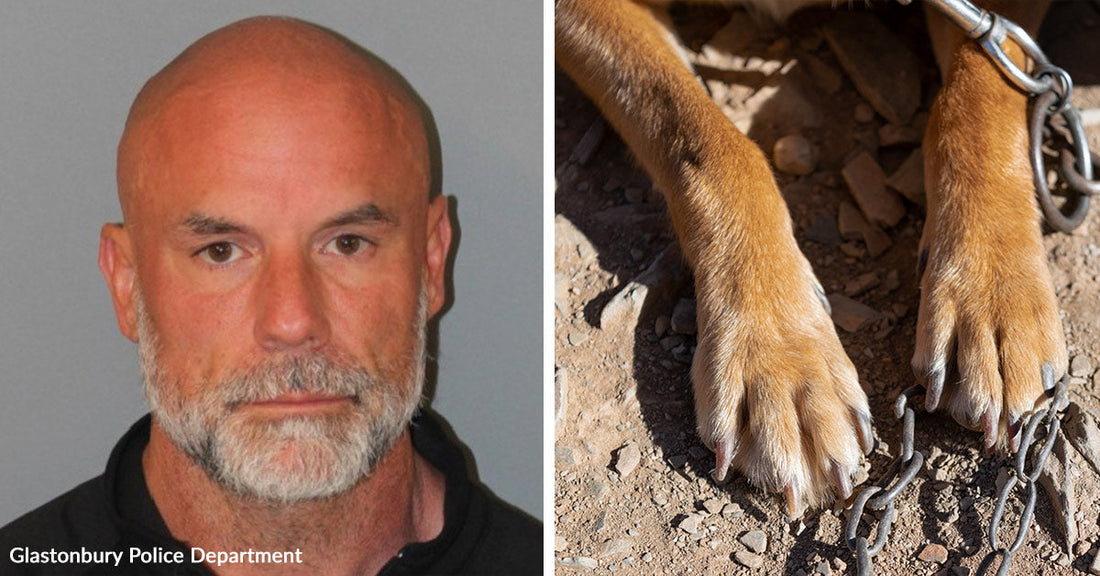
The recent arrest related to a viral Glastonbury animal abuse video has brought a difficult and emotional story into public view. As attention to animal cruelty grows worldwide, many are looking closely at how local authorities respond when troubling footage surfaces online. In this case, Glastonbury Police faced a surge of interest after a video involving dogs spread rapidly on social media, raising questions, alarm and an outpouring of concern for the animals involved.
According to information from the arrest report, the dogs connected to the incident are currently out of state and therefore outside the jurisdiction of the Glastonbury Police Department. Authorities in Virginia conducted a welfare check on the animals, which indicates that law enforcement beyond Connecticut has become involved at least to verify their condition. Although specific details about the results of that welfare check are not included in the referenced report, the fact that it occurred underscores that the case now spans more than one state and more than one agency.

The situation did not unfold quietly. Once the video was shared publicly, it quickly went viral, drawing the attention of viewers around the world. Many people, moved by what they saw, became what the article refers to as “Facebook detectives,” trying to piece together clues, identify individuals and understand where the video had been recorded. Social media users scrutinized the images, shared theories and amplified concerns about animal cruelty and accountability.
Glastonbury Police acknowledged that the video generated significant worldwide interest and that the resulting attention had a tangible impact on their operations. They reported receiving a high volume of calls and emails, to the point that dispatch and administrative resources were at times overwhelmed. This level of response illustrates how digital platforms can transform a local criminal investigation into a matter of global visibility almost overnight.
With that surge of attention came confusion and misinformation. Some information circulating online was interpreted to suggest that a member of the Glastonbury Police Department was somehow involved in the incident or owned the dogs seen in the video. According to the department, this interpretation was incorrect. Police made a clear and public point of saying that no Glastonbury Police employee was involved and that the individual named Gerchy is not and has never been a Glastonbury Police officer.
That clarification highlights one of the more challenging aspects of viral content linked to alleged crimes. When a disturbing video appears without full context, the public often tries to fill in the gaps. Although that effort can sometimes assist investigations, it can also lead to incorrect assumptions and reputational harm. In this case, the department was compelled to emphasize that its own personnel were not participants in the incident, an important distinction for the integrity of both the investigation and the agency.
At the same time, the video itself gave investigators important clues. Detectives who watched the footage were able to identify the Glastonbury residence featured in the video based on prior calls they had received at that address. This detail demonstrates how existing police records and familiarity with locations within their community can provide essential leads, particularly when an incident captured on video does not initially come with precise information about where it took place.
From a law enforcement perspective, this case also reflects how digital evidence and crowd awareness intersect. The viral attention functioned like a spotlight on a single residence, a set of animals and a particular suspect. Yet the investigative work still had to follow established procedures. Detectives used the video as one piece of evidence among others, connecting it to past calls and then building a case that resulted in an arrest. For those who follow animal welfare issues, this sequence reinforces the idea that while public concern is powerful, formal investigations must still proceed methodically.
Throughout their public statement, Glastonbury Police returned to a central theme: a commitment to treating crimes against animals with seriousness and urgency. The department explicitly thanked members of the public who shared information about the incident and recognized that many people contributed tips or observations after the video appeared online. They also stated that they are committed to investigating animal cruelty cases thoroughly and promptly, which is an important affirmation for residents who want reassurance that animals in their community are protected.
That acknowledgment of community involvement is more than a formality. In many modern cases, viral videos of potential abuse reach authorities because someone chooses to share what they have seen, often at personal emotional cost. People watching a distressing clip may feel anger, sadness or helplessness. Yet when those viewers channel their reactions into constructive actions such as sending accurate information to police or urging responsible reporting, they become part of a broader safety net for vulnerable animals.
At the same time, this case is a reminder of the limits of social media scrutiny. While “Facebook detectives” can sometimes surface valuable details, there is also a risk that speculation can spin out of control, affecting unrelated individuals or straining local agencies. Glastonbury Police’s experience of overwhelmed dispatch and administrative lines shows why measured, accurate communication is so important. When a video trends and key phrases like “viral Glastonbury animal abuse video” and “Glastonbury animal cruelty investigation” circulate widely, both the urgency and the responsibility increase for everyone involved.
In incidents like this, the welfare of the animals remains central. The arrest and the welfare check in Virginia both suggest that law enforcement entities are treating their safety as a priority. While comprehensive updates about their long term situation were not provided in the material referenced here, the steps taken so far demonstrate that authorities are not ignoring what was seen on screen. For many readers and viewers, that reality may offer some measure of reassurance amid the outrage that such footage often provokes.
I found it striking that this single case involved so many intersecting elements: a local residence known from previous calls, a viral clip that triggered global attention, confusion about whether an officer was involved, and a cross state welfare check on dogs now outside local jurisdiction. Together, these threads capture the complexity of twenty first century policing in the age of social media. They also show why clear communication from agencies, ethical sharing practices from the public and a steady focus on animal welfare are all essential to moving from online outrage to real world accountability.
As this case progresses, many will continue to watch for updates on both the legal process and the condition of the dogs. For now, the arrest and the formal statement from Glastonbury Police mark an important step. They reaffirm that animal abuse is treated as a serious offense and that even when a case becomes the subject of intense online debate, the core mission of protecting animals and pursuing justice remains the same.