
🚨Urgent: Missile Strikes Shelter in Ukraine! Rush Emergency Aid!
Wichita Woman Fights Stage 4 Breast Cancer with Roadside Stand Fundraiser
Guest Contributor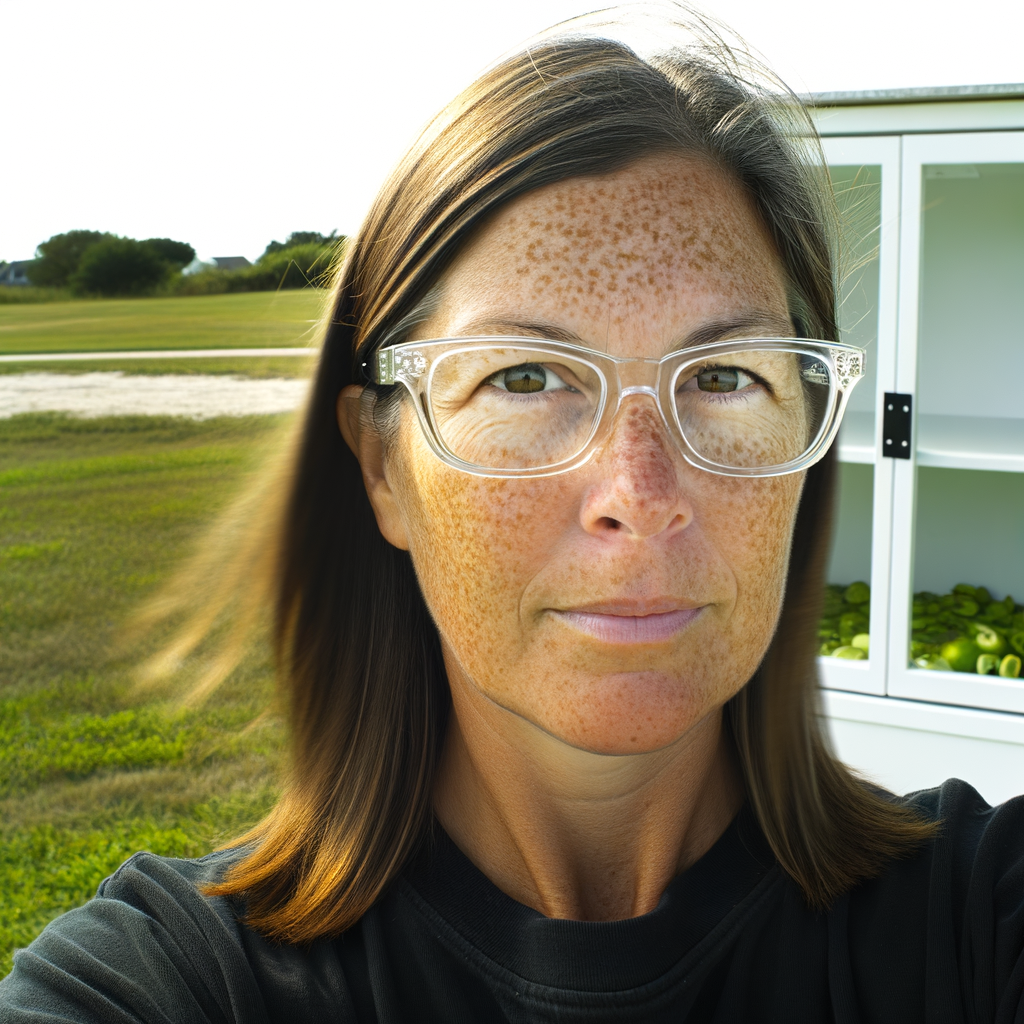
In Wichita, Kansas, a woman’s determination to fight for her life has taken the form of a roadside stand. Jennifer Gordy, diagnosed with stage 4 breast cancer, has turned to selling baked goods, clothing, and coffee mugs to raise money for a treatment that could extend her life. The treatment, which costs $10,000 per month, is not covered by her insurance. Her story, filled with resilience and quiet urgency, highlights the profound challenges faced by many patients navigating the complexities of healthcare coverage while battling terminal illness.

Gordy’s journey began more than three years ago when she was first diagnosed with breast cancer. After undergoing a double mastectomy, she believed the worst was behind her. However, a few months ago, she began experiencing symptoms that led her to suspect something was still wrong. Further testing revealed that the cancer had never truly gone away. It had advanced, spreading to her bones and other areas, marking a transition to stage 4 cancer.

The progression of the disease has brought with it increased fatigue, pain, and nausea. “A lot of pain, now that [the cancer’s] in the bones,” Gordy said in an interview. “It’s literally just everywhere.” Her doctors recommended a pair of medications designed to starve the tumor and potentially prolong her life. Unfortunately, the cost of the treatment—$10,000 each month—is not covered by her insurance provider, as the drugs are on an exclusion list.
Faced with this financial barrier, Gordy decided to take action in the most hands-on way she could. No longer able to maintain her full-time job due to the illness, she now devotes her energy to running a small roadside stand. Every item sold—whether it’s a homemade cookie, a secondhand shirt, or a hand-decorated mug—contributes directly to her medical fund.
“It’s what will literally save my life,” she said of the medication. Her commitment to this effort is not only a testament to her will to survive but also to her creativity and resourcefulness in the face of daunting odds. I found this detail striking: in the midst of physical pain and emotional uncertainty, Gordy has built a space that is both practical and hopeful, inviting her community to take part in her fight by simply stopping by and making a purchase.
Her husband, Adam, continues to work at a local factory, supporting the family financially while also standing by her side emotionally. He expressed deep admiration for Jennifer’s strength. “I’m so proud of her on how she’s doing with this,” he said. Despite the gravity of their situation, he tries to remain optimistic. “I try to look at it as we’re all gonna die one day anyway. I just want another 30 years.”
The couple’s story resonates not only because of the personal courage involved but also because it reflects a broader issue: the high cost of life-extending treatments and the limitations of insurance coverage. While many people assume that health insurance will cover necessary medications, the reality can be far more complicated. In Gordy’s case, the treatment her doctor recommends is considered essential, yet it remains financially out of reach without external support.
To help bridge that gap, the Gordys have also started a GoFundMe campaign, hoping to reach a wider audience beyond those who can visit the roadside stand. The community response has been one of compassion and encouragement, with many stopping by to contribute what they can. The stand itself has become more than just a fundraising effort—it’s a symbol of one woman’s refusal to give up, even when the odds seem insurmountable.
Stories like Jennifer Gordy’s serve as powerful reminders of the human spirit’s resilience. They also raise important questions about access to healthcare and the support structures available to those facing terminal illness. While Gordy’s focus remains on the present—on raising enough money each month to continue her treatment—her journey also invites reflection on how society can better support individuals in similar circumstances.
For those who live near Wichita or find themselves passing through, a stop at Jennifer’s roadside stand offers more than just a chance to buy a cookie or a mug. It’s an opportunity to participate in a community effort to give someone more time with her family, more chances to laugh with her husband, and more mornings to wake up hopeful. And for those farther away, the online fundraiser provides another path to help.
As Jennifer and Adam continue to navigate this difficult chapter, their story stands as a quiet but powerful call to kindness, community, and the enduring will to fight for life.