
DNA Evidence Helps Crack Major Animal Cruelty Case
Guest Contributor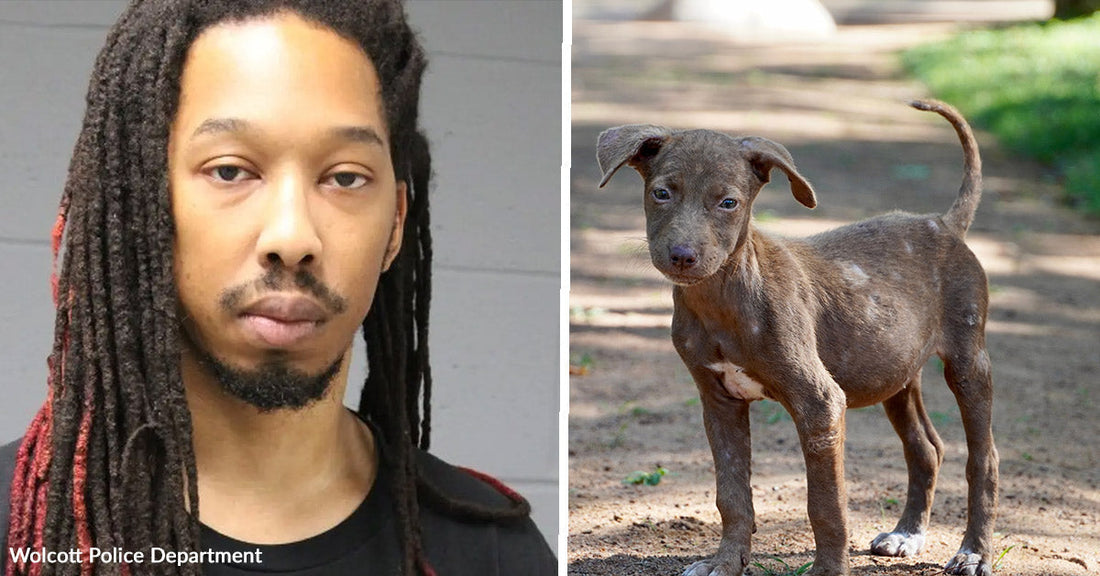
The recent case of a Waterbury man facing animal cruelty charges in both Waterbury and Wolcott has sparked intense concern among animal advocates and community members alike. At the center of the case is a deceased dog found in Wolcott, as well as two severely emaciated puppies who were later linked to her through DNA testing. For anyone who cares about animal welfare, this story is deeply troubling, and it highlights how seriously law enforcement and advocates are beginning to treat animal cruelty.
According to information released by the Wolcott Police Department, 32 year old Dayne Punter of Waterbury has been charged in multiple jurisdictions. Wolcott police charged him with animal cruelty and illegal dumping, while Waterbury police charged him with three counts of animal cruelty. These combined charges stem from the death of a tan and white female pit bull mix and the extreme neglect of her puppies. The actions described by investigators paint a heartbreaking picture of suffering caused by starvation and abandonment.

The case began on January 9, when the body of a dog was discovered on Woodtick Road off a walking trail near the entrance of St. Pius X Church in Wolcott. Wolcott Animal Control reported that the dog, estimated to be between 1 and 3 years old, showed no visible signs of physical trauma. Instead, what stood out was her condition. The animal control officer, Roz Nenninger, described the dog as severely emaciated. Investigators believe the dog was deliberately placed at the base of a tree about 10 feet off the trail after she had already died, suggesting a deliberate attempt to dispose of her body rather than seek help when it was still possible.
A key development in the case came when authorities learned about two similarly emaciated puppies that had been brought to Shoreline Veterinary Hospital in Shelton a few days earlier on January 6. One of those puppies was in such poor condition that it had to be euthanized. The other survived, a small but meaningful sign of resilience in an otherwise devastating narrative. It was not immediately clear at the time that these puppies were connected to the deceased dog found in Wolcott.
What tied everything together was DNA testing, which later confirmed that the deceased dog discovered on the Wolcott trail was the mother of the two puppies brought to the veterinary hospital. This link transformed what might have been seen as isolated incidents into a single, tragic case of neglect. The DNA results helped establish a clear family relationship, reinforcing suspicions that all three dogs had been living in the same environment and suffering from the same lack of care.
Investigators said that Punter was the person who brought the puppies to the veterinary hospital. At first, he reportedly told authorities that he had found the dogs and was trying to help them. This explanation suggested that he had stepped in as a concerned citizen. However, as the investigation continued and multiple interviews took place, the account changed. According to the Wolcott Police Department, Punter eventually admitted that he was the owner of all three dogs. He also stated that he could not afford to care for them and acknowledged that he had dumped the body of the deceased adult dog in Wolcott.
Details from the necropsies of the deceased animals were particularly distressing. Examinations revealed a cylindrical obstruction in their systems that resembled a corn cob, along with a black substance that appeared consistent with bedding material. Authorities said these findings were indicative of pica behavior, a condition in which animals consume non-food items. In this case, investigators believed the behavior stemmed from starvation. I found this detail striking because it illustrates the extreme level of deprivation the dogs likely experienced.
In light of the evidence, Punter was held on a total bond of 200,000 dollars. While bond amounts do not determine guilt or innocence, they do reflect how seriously the court system views the charges and the potential risk to the community and to animals. This case highlights how animal cruelty charges can carry significant consequences, especially when the alleged neglect leads to death and severe suffering.
The Wolcott Police Department highlighted the critical role played by Wolcott Animal Control Officer Roz Nenninger. Officials credited her with relentless dedication and determination in seeking justice for the dogs involved. They stated that her persistence was instrumental in pushing the case forward. Stories like this underscore how vital animal control officers are, not only in responding to emergencies but also in conducting thorough investigations that can lead to accountability and change.
Authorities also emphasized that this case was the result of broad collaboration. The Wolcott Police Department extended thanks to animal control officers from Woodbridge, Woodbury and Waterbury, as well as the police departments in Woodbury and Waterbury. The agencies described the investigation as challenging and acknowledged that it would not have been possible without the combined efforts of many individuals and organizations. This collaborative approach to enforcing animal cruelty laws shows how interconnected communities can be when it comes to protecting vulnerable animals.
Another important participant in the case was Desmond’s Army Animal Law Advocates, a nonprofit group focused on animal welfare and legal advocacy. The organization offered a 5,000 dollar reward for information leading to the arrest and prosecution of the person who abandoned the dog. In addition to raising awareness, Desmond’s Army also financially supported parts of the investigation, providing funding for necropsies and DNA testing. That support helped solidify the scientific evidence needed to connect the deceased mother dog with her emaciated puppies, ensuring that investigators had the facts required to move forward.
This case of animal cruelty in Wolcott and Waterbury is painful to read about, yet it also offers a window into how communities, law enforcement, veterinarians and advocates can work together. The suffering of the pit bull mix and her puppies cannot be undone, but the thorough investigation, the careful gathering of evidence and the dedication of those involved may deter future neglect. For readers, it is a sobering reminder of the responsibility that comes with caring for animals and the importance of contacting authorities or local shelters when financial hardship or other obstacles make proper care impossible. When systems of support are used instead of abandonment, animals have a chance not just to survive but to live with dignity and safety.