
World’s Most Trafficked Mammal Finally Gets Its First Sanctuary Built Entirely for Healing and Freedom
Guest Contributor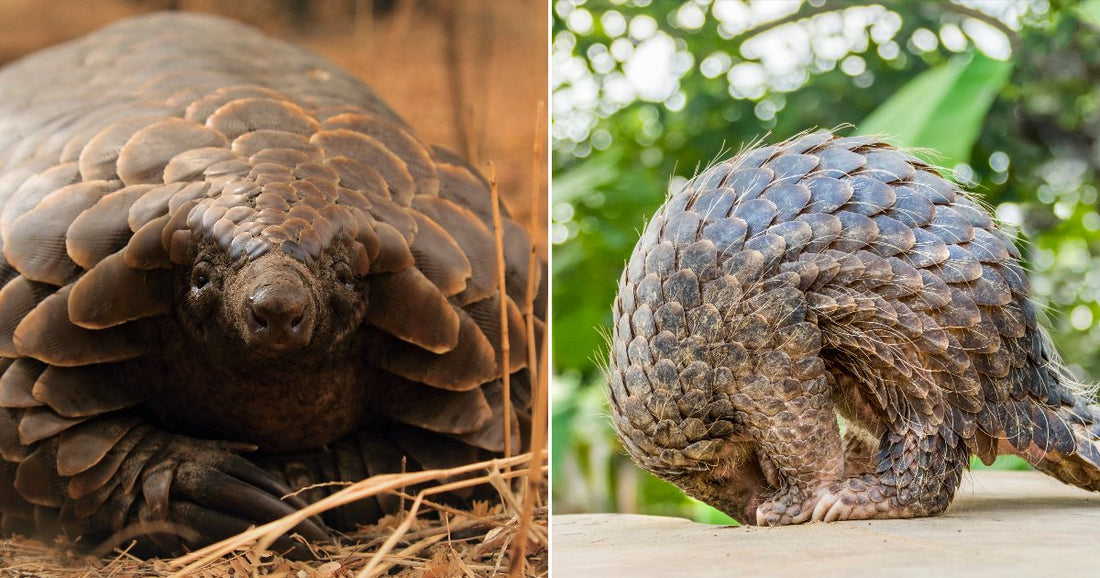
On World Pangolin Day, a quiet but extraordinary milestone took place in South Africa: the African Pangolin Working Group opened The Pangolarium, described as the world’s first veterinary and rehabilitation center dedicated solely to pangolins. In a world where this shy, armored mammal has become the most trafficked wild animal on the planet, the emergence of a specialized pangolin rescue and rehabilitation facility feels both urgent and deeply symbolic for global pangolin conservation.
The Pangolarium, whose name literally means “place for pangolins,” was purpose-built to improve every step of the rescue journey for these animals. According to the African Pangolin Working Group, the facility is designed to enhance rescue efforts, provide intensive veterinary care, support rehabilitation, and ultimately guide reintroduction into the wild for pangolins pulled out of the illegal wildlife trade on the west side of South Africa’s Limpopo Province. It is meant to be more than a clinic. It is also a base for long-term research and education, which could shape how the world understands and protects these elusive mammals.

Inside The Pangolarium, staff have access to advanced medical and husbandry resources tailored for pangolins, a species that is notoriously difficult to care for in captivity. Every aspect of the center exists to give these animals the best chance at recovery and a safe return to their natural habitat. At the same time, the facility anchors ongoing scientific work and outreach led by the African Pangolin Working Group, helping generate data and stories that can be shared with communities, policymakers, and the global public.
One of the most striking details about The Pangolarium is that its precise location is deliberately kept secret. This secrecy is not about mystique. It is a direct response to the harsh reality that pangolins have been relentlessly targeted for decades. Poachers hunt them for both meat and scales, driving a massive illegal trade that spans continents. Protecting the animals in care requires keeping them away from those who profit from their exploitation, which is why the center’s address remains highly classified.

Pangolins, often described as looking like “walking pinecones,” are among the most unusual mammals alive. There are eight recognized species of pangolin, four in Africa and four in Asia, and every one of them appears on the IUCN Red List as either vulnerable or critically endangered. This precarious status reflects a combination of habitat loss, largely due to human activity, and intense hunting pressure. Overhunting for scales and bushmeat has accelerated their decline and has made them incredibly rare in many of the landscapes they once quietly patrolled.
In some places, seeing a pangolin in the wild has become so uncommon that even a single confirmed sighting can make headlines. Wildlife experts recently recorded a pangolin on a trail camera in Niokolo-Koba National Park in Senegal, and that image represented the first confirmed record of the species in the country since 1999. That gap speaks volumes about how hidden and diminished pangolin populations have become, as well as how difficult it is to document them even when they are present.

Despite these challenges, there are conservationists who remain deeply committed to ensuring pangolins have a future. Among them is Beryl Makori, project manager of the Pangolin Project, who has been working directly with local farmers to promote pangolin conservation. Makori described a sense of urgency, explaining that it feels as if they are protecting the last of the pangolins and expressing determination to do everything possible to secure a protected habitat with a viable population. This kind of collaboration between conservation groups and local communities is often essential for species that share landscapes with people and livelihoods.
Beyond fieldwork and veterinary care, pangolins are beginning to gain more visibility through storytelling and film. Academy Award winning director Pippa Ehrlich, best known for “My Octopus Teacher,” has turned her attention to these animals with an upcoming documentary titled “Pangolin: Kulu’s Journey,” scheduled to be released on Netflix on April 21. The film follows wildlife photographer Gareth Thomas as he rescues and rehabilitates a baby pangolin named Kulu, providing a close look at the emotional and practical challenges of caring for this fragile species.
Ehrlich has spoken about why pangolins captured her imagination. She describes them as some of the most ancient and unique mammals ever to walk the Earth. Over millions of years of evolution, pangolins effectively traded obvious offensive weapons like claws and fangs for overlapping scales and a remarkably tuned intuition. That evolutionary path left them with a singular defense strategy. They cannot outrun predators or fight back, and instead rely almost entirely on their ability to curl into a tight, scaly ball.
This instinctive response has protected them from natural predators, but it offers little defense against human traffickers. In Ehrlich’s words, pangolins are deeply sensitive and innocent. When she met Gareth Thomas and saw his relationship with these animals, she became fascinated not only by their behavior but by what they might represent. She has said that pangolins symbolize humanity’s own fragile existence, reflecting the vulnerability of many beings that share this planet and are now at risk because of human actions.
Pangolin rescue and rehabilitation, whether through The Pangolarium in Limpopo or through the work documented in “Pangolin: Kulu’s Journey,” is part of a broader effort to change the trajectory for this species. Facilities like The Pangolarium give individual animals a second chance and provide a rare window into their biology and needs. At the same time, films and media coverage help shift pangolins from obscure trafficking statistics into recognizable individuals with stories, personalities, and a place in the world’s shared natural heritage.
I found it striking that the world’s most trafficked wild mammal remains so little known to many people, even as entire centers are built specifically for its survival. Stories about hidden sanctuaries, secret locations, and painstaking rehabilitation routines highlight just how much work is required to counter the damage caused by illegal trade. Yet they also hint at what might be possible when scientific expertise, local partnerships, and thoughtful storytelling converge around a single threatened species.
As pangolin conservation advances, The Pangolarium stands as a quiet landmark, offering a model for species-specific care and a reminder that targeted, well resourced interventions can matter. Alongside local advocates like Beryl Makori and filmmakers like Pippa Ehrlich, it helps keep pangolins in the public eye and on the global conservation agenda. For these “walking pinecones” that have rolled into tight balls for millions of years, that growing awareness might be one of the most powerful protections we can offer. Read more at https://www.goodgoodgood.co/articles/pangolin-endangered-animal-pangolarium