
🚨Urgent: Missile Strikes Shelter in Ukraine! Rush Emergency Aid!
7-Year-Old Advocates for Type 1 Diabetes Research on Capitol Hill
Guest Contributor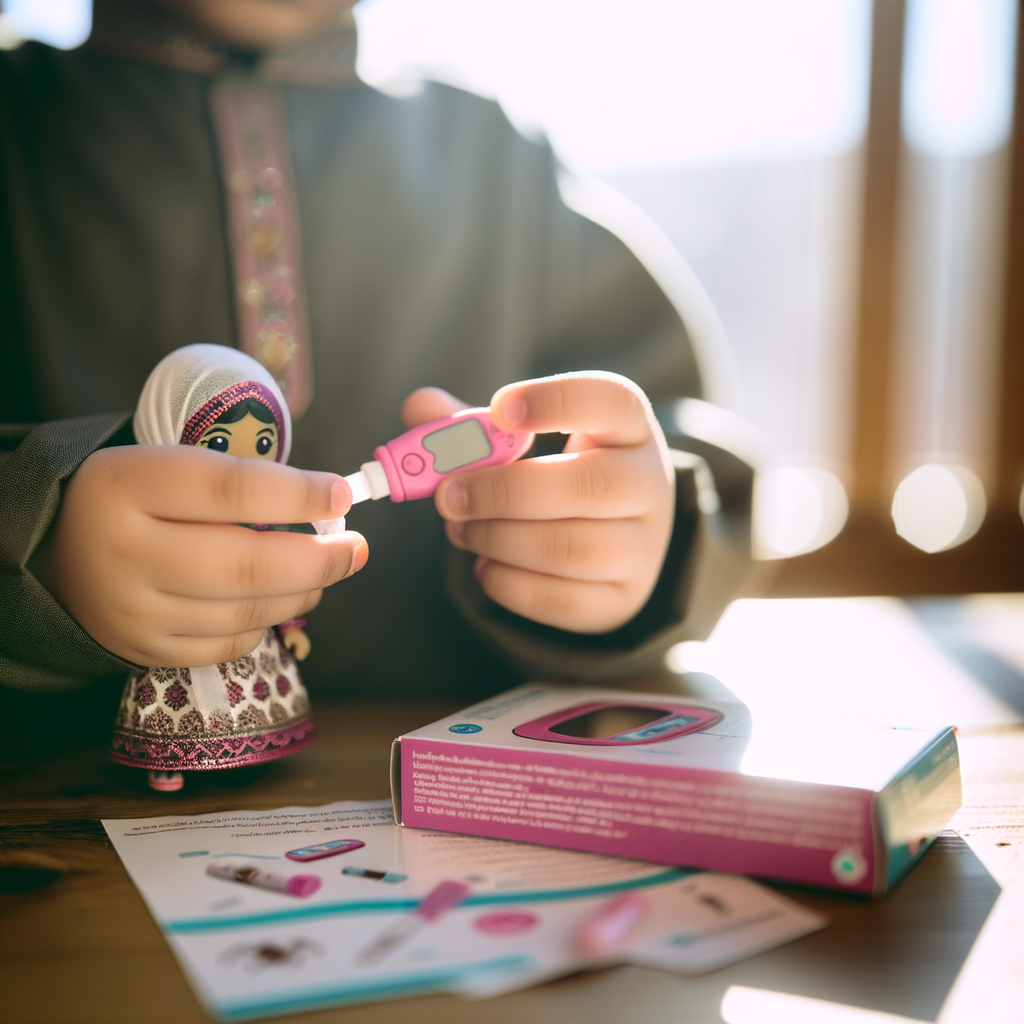
At just 7 years old, Caroline Cardoza of Brunswick, Maine, is already making her voice heard on Capitol Hill. Representing her state at the Breakthrough T1D 2025 Children’s Congress in Washington, D.C., Caroline joined 170 other children from across the country to advocate for continued funding of Type 1 diabetes research. This two-day event brought together young people living with the chronic illness to share their personal stories, participate in a Senate hearing, and meet with lawmakers to urge renewal of the Special Diabetes Program, which allocates $160 million annually to the National Institutes of Health.

Caroline’s journey with Type 1 diabetes began at age 4, when she was diagnosed with the autoimmune disease that prevents the pancreas from producing sufficient insulin. Now a student at Pine Tree Academy, she manages her condition with the help of an insulin pump and a glucose sensor, which she monitors through a mobile app. Her experience reflects the daily challenges faced by many young people living with diabetes, making her advocacy at the Children’s Congress both personal and powerful.
One of the most memorable aspects of Caroline’s participation was her meeting with Sen. Susan Collins. As part of her preparation for the trip, Caroline created scrapbooks documenting her life with diabetes, which she presented to members of Maine’s legislative delegation. The young advocate shared her hope with Sen. Collins that a cure for Type 1 diabetes will be found soon. “I felt like I was in a new world,” Caroline said of her time in Washington, capturing the awe and excitement of representing her community on a national stage.
Caroline was joined by 16-year-old Ruby Whitmore of Old Town, another delegate from Maine. According to Jeff Cardoza, Caroline’s father, older participants like Ruby served as inspiring role models. “It was just so encouraging to be around the people who are all in it together and all know what it’s like living in the world of T1D and how hard it is, especially for young kids,” he said. His words underscore the value of community and shared experience in managing a lifelong condition.
Since its founding in 1999, the Breakthrough T1D Children’s Congress has brought together more than 1,000 children to advocate for diabetes research and awareness. The event not only gives young people a platform to speak directly to policymakers, but also fosters a sense of empowerment and unity among participants. Lauren Shields, executive director of Breakthrough T1D Greater New England, emphasized this mission, stating, “Children’s Congress empowers youth living with Type 1 diabetes to speak with a unified voice to urge federal leaders to support the entire T1D community.”
In addition to her advocacy efforts, Caroline had the opportunity to meet American Ninja Warrior athlete Katie Bone, who also lives with Type 1 diabetes. The encounter was a highlight for Caroline, who was eager to ask Bone about the most challenging obstacle she had faced. For a young girl navigating the complexities of a chronic illness, connecting with a high-profile role model who shares her experience offered both encouragement and inspiration.
The event also included a special surprise: delegates were among the first to receive a new Barbie doll from Mattel designed to represent children with Type 1 diabetes. The doll comes equipped with a pink glucose monitor, reflecting a growing push for more inclusive and representative toys. For children like Caroline, such gestures can provide a sense of validation and normalcy, reinforcing that their experiences are seen and valued.
Looking ahead, Caroline is excited to participate in the upcoming Breakthrough T1D walk in Portland, an event that raises both awareness and funds for ongoing research. Her continued involvement in the diabetes advocacy community shows a level of resilience and commitment that is remarkable for someone her age. Her story serves as a moving reminder of the importance of funding medical research and supporting young people living with chronic conditions.
Caroline Cardoza’s journey to Washington, D.C., and her role in the Children’s Congress highlight the power of youth advocacy and the impact of personal storytelling in shaping public policy. Her efforts, along with those of her fellow delegates, bring much-needed attention to the realities of living with Type 1 diabetes and the urgent need for continued research funding. I found this detail striking: that a child not yet in double digits can stand before lawmakers and speak with clarity and purpose about a life-altering condition. It’s a testament to the strength of young voices and the communities that support them.