
🚨Urgent: Missile Strikes Shelter in Ukraine! Rush Emergency Aid!
101-Year-Old Veteran’s Historic Flight in Stearman Bi-Plane Honors WWII Service
Guest Contributor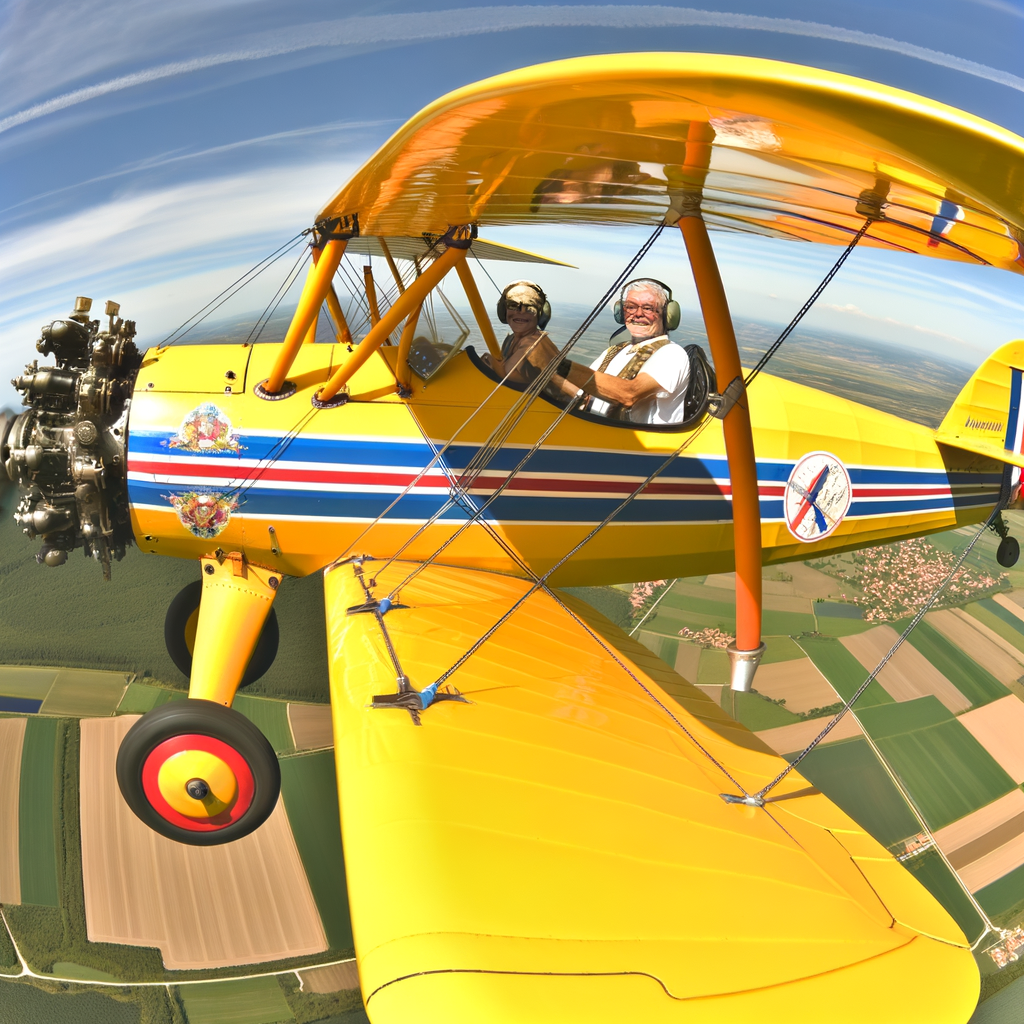
At 101 years old, World War II veteran Lester Schrenk experienced a moment that bridged past and present in the most tangible way: a flight in a historic Stearman Bi-Plane. The same kind of aircraft that trained thousands of pilots during the war became the vessel for revisiting memories and honoring service. On Monday, Schrenk, along with other veterans, took to the skies once more, decades after first serving in the U.S. Air Force. The event, covered by FOX 9 Minneapolis-St. Paul, offered more than just a scenic ride—it became a living tribute to history, courage, and resilience.

Schrenk’s flight was not just a personal milestone. It was emblematic of a generation whose stories are often preserved in books and documentaries, but rarely relived in such a visceral way. The vintage biplane, with its open cockpit and unmistakable silhouette, is a powerful symbol of aviation history. For those who trained or served in similar aircraft, the experience is more than nostalgic—it is deeply connective. I found this detail striking: the idea that a century-old veteran could still return to the sky, not in memory, but in motion.
The mood of the day was undoubtedly uplifting. There was a sense of celebration, not only for Schrenk’s longevity but also for what it represented—the enduring spirit of those who served in World War II. As the plane lifted off, onlookers watched with admiration and emotion. FOX 9’s Rob Olson, who covered the event, captured the atmosphere of reverence and joy that surrounded the flight. It was a moment of recognition for veterans who, even after so many years, continue to inspire by their presence and stories.
Historic aircraft like the Stearman Bi-Plane are often featured in airshows and museums, but opportunities for veterans to fly in them are rare. These flights are typically arranged by nonprofit organizations or veteran-focused initiatives that aim to honor military service in meaningful ways. For Schrenk and others, the experience provides more than a thrill—it reconnects them with a pivotal chapter of their lives. The roar of the engine, the wind rushing past, and the feel of flight evoke memories that words alone cannot capture.
Schrenk’s participation also highlights the importance of preserving living history. As the number of World War II veterans dwindles, so do the firsthand accounts of their experiences. Events like this flight serve as reminders of the value of listening to and learning from those who lived through global conflict. They also underscore the role that community and media can play in spotlighting these stories before they fade from living memory.
According to FOX 9, the flight took place on a Monday, though the exact location was not specified. The timing, however, did not diminish its impact. The story resonated with viewers, many of whom expressed admiration and gratitude for Schrenk’s service. It’s a testament to how deeply the legacy of World War II veterans continues to influence and inspire. The sight of a 101-year-old man taking to the air in a plane that once trained wartime pilots is not just remarkable—it is profoundly moving.
For aviation enthusiasts and history buffs alike, the Stearman Bi-Plane holds a special place. Introduced in the 1930s, it became a staple of military flight training during World War II. Its distinctive double wings and sturdy construction made it ideal for preparing pilots for the rigors of combat aviation. Today, restored versions of the aircraft are flown in commemorative events, offering a tactile link to a bygone era. For veterans like Schrenk, stepping into that cockpit again is akin to stepping back in time.
While the story centers on one man’s flight, it also invites reflection on the broader experiences of veterans. Many who served returned to civilian life without fanfare, their contributions acknowledged only in passing. Events like this one offer a chance to change that narrative, to provide recognition that is both public and personal. They remind us that honoring veterans is not confined to national holidays—it can and should happen in everyday moments, through gestures that affirm their value and legacy.
In a world that often moves quickly past its own history, stories like Lester Schrenk’s offer a pause. They invite us to consider the lives behind the uniforms, the decades that followed service, and the enduring connections to a time that shaped the modern world. His flight in a historic aircraft is more than a dream fulfilled—it is a bridge across generations, a salute to courage, and a reminder of all that was risked and won.