
Bipartisan Effort Would Ban Taxpayer Funding for Experiments on Dogs and Cats
Matthew Russell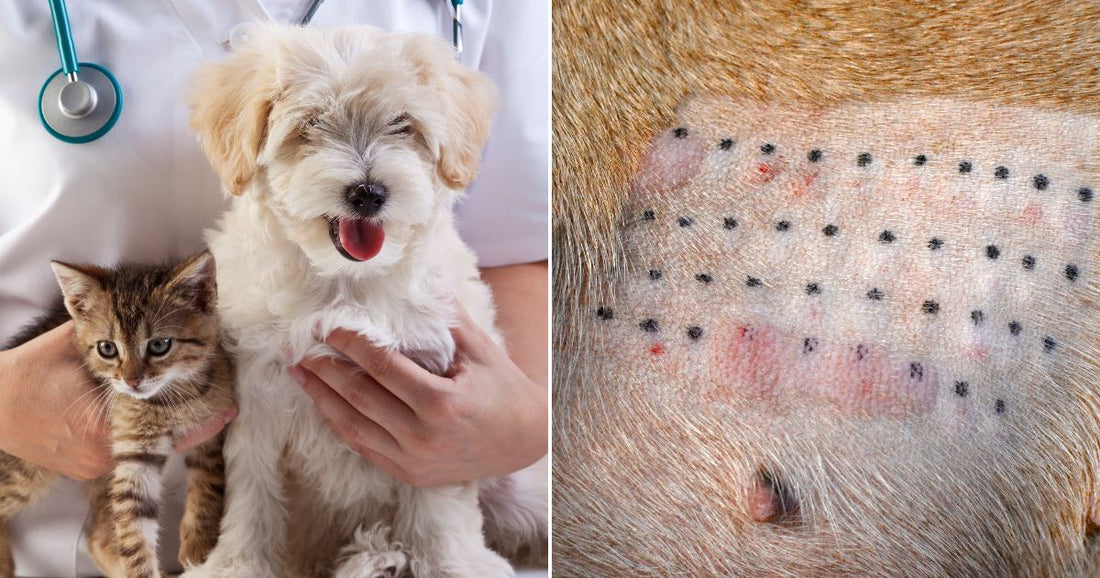
Every year, dogs and cats — the same animals living in millions of American homes — are used in biomedical experiments funded by U.S. taxpayers. A new bipartisan bill introduced in the House of Representatives aims to end that practice once and for all.

What the COMPACT Act Would Do
The Companion Animal Protection Against Cruel Testing Act, known as the COMPACT Act, was introduced in late September 2026 by Representatives Nick Langworthy (R-NY) and Mark Pocan (D-WI). According to the Office of Congressman Langworthy, the bill would prohibit the use of federal funds for biomedical research conducted on dogs and cats. It also includes a provision requiring that animals used in federally funded labs be made available for adoption rather than euthanized at the end of an experiment.
The full text of the legislation is catalogued on Congress.gov as H.R.10522 in the 119th Congress.

A Long and Documented History of Harm
The use of dogs and cats in government-funded research is not new, but investigations have brought renewed attention to what these experiments actually involve. The White Coat Waste Project notes that its investigators have documented federal agencies funding painful and invasive procedures on dogs and cats across multiple facilities — findings that directly preceded the push for this legislation.
Dogs, particularly beagles, are a common choice for laboratory testing because of their docile temperament and manageable size. That same quality that makes them easy to handle in a lab makes the practice difficult for many Americans to accept.

Bipartisan Support and Broader Momentum
The bill has drawn support from across the political spectrum, arriving at a moment when the broader conversation around animal testing in the U.S. is shifting. Animal Wellness Action points out that the COMPACT Act's introduction coincides with the Trump administration's announced drawdown of federal animal testing programs — a rare alignment of executive and legislative momentum on the issue.
Major animal protection organizations have lined up behind the bill. Humane World for Animals formally endorsed it, and the Animal Legal Defense Fund has detailed why existing protections fall short — noting that current law offers minimal safeguards for animals once they enter a laboratory setting.
The Taxpayer Dimension
One of the bill's central arguments is financial accountability. As Species Unite explains, American taxpayers currently have no mechanism to opt out of funding these experiments. The COMPACT Act would remove that funding stream entirely. Coverage from Yahoo News / FOX6 News highlights how Representative Pocan frames this as a question of public will — most Americans, regardless of political affiliation, oppose the use of dogs and cats in laboratory testing when they learn their tax dollars support it.

Add Your Name
The COMPACT Act is in committee now, and public pressure matters at this stage. The House Committee on Energy and Commerce has the power to move this bill forward. Petitions like this one send a direct message: constituents are watching, and they want action.
Click below to make a difference.