🚨Urgent: Missile Strikes Shelter in Ukraine! Rush Emergency Aid!
Lawmakers Push To End The Slaughter Of Sick Pigs Threatening Human Health
Matthew Russell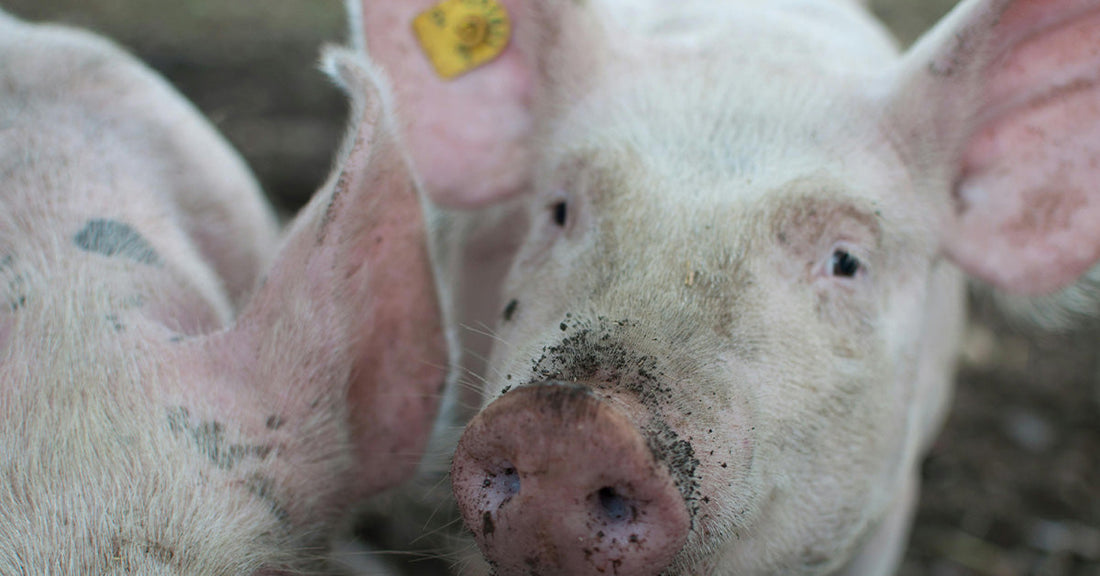
Pigs too sick or injured to stand — known as “downed pigs” — occupy one of the most vulnerable positions in industrial farming. Instead of receiving care, they are often dragged, prodded, or shocked to move them toward slaughter. Beyond the obvious cruelty, these animals carry a heightened risk of harboring pathogens that can spill into the human food supply. Advocates argue that continuing this practice puts both animal welfare and public health in jeopardy.

Downed pigs are pigs too sick or injured to stand.
A Breeding Ground for Zoonotic Disease
Pigs have long been recognized as “mixing vessels” for influenza viruses because they can host strains from birds, humans, and swine simultaneously. This ability accelerates the evolution of dangerous new pathogens. Research shows that diseases like swine influenza, Nipah virus, and hepatitis E can pass from pigs to people, sometimes with pandemic potential, reports a study in Animals. The 2009 H1N1 pandemic, which killed hundreds of thousands worldwide, traced its origin to swine. More recently, novel influenza variants circulating in pig populations have exhibited traits that make them capable of infecting humans.
Even without viral outbreaks, pork itself can pose risks. Hepatitis E, for example, has been found in pork products across Europe, Asia, and North America, and studies estimate that up to 10% of pork on the market could test positive, the Animals study maintains. Eating contaminated or undercooked meat may expose consumers to this disease, which causes liver damage and, in some cases, death.

Current law allows the slaughter of downed pigs in the U.S.
Factory Farming and Disease Amplification
Modern industrial farming methods have intensified the problem. The close confinement of pigs under stressful conditions weakens their immune systems and creates ideal circumstances for disease transmission. As public health specialists noted in the Journal of Public Health Policy, animal cruelty and poor husbandry practices are directly linked to the emergence of zoonotic diseases. When pathogens are allowed to spread unchecked through dense populations of animals, the likelihood of mutation and spillover to humans increases.
The Nipah virus outbreak in Malaysia in the late 1990s illustrates the danger. The disease, which spread from bats to pigs and then to farm workers, killed more than 100 people and required the mass culling of pigs to contain it. Experts warn that downed pigs, forced into the food chain instead of being removed, create similar opportunities for new pathogens to emerge.

Diseases linked to pigs include swine flu and hepatitis E.
Legislative Efforts to Close the Gap
Unlike cattle and calves, pigs have no federal protection against slaughter when they are unable to walk. That gap has drawn growing criticism, as downed animals are more likely to harbor disease. To address this, Congresswoman Veronica Escobar reintroduced the Pigs and Public Health Act, which would prohibit the slaughter of downed pigs, strengthen anti-cruelty standards, and require testing for zoonotic diseases.
The bill would also bar the sale of meat from these animals and demand greater transparency from federal agencies, the Animal Legal Defense Fund reports.
Animal protection groups argue that this legislation is long overdue. The USDA banned the slaughter of downed cows in 2007 due to concerns about Mad Cow Disease, yet no equivalent rule exists for pigs despite their similar risks. By closing this loophole, supporters say, both animals and people will be better protected.

Experts warn factory farming fuels future pandemics.
A Public Health Imperative
Editorials and scientific reviews have repeatedly stressed that safeguarding human health requires protecting animals as well. According to one piece in Frontiers in Veterinary Science, nearly two-thirds of human pathogens originate from animals, and pigs play a central role in amplifying many of them. Recognizing this connection is vital. Efforts to reform industrial agriculture, including banning the slaughter of downed pigs, would not only reduce needless suffering but also act as a frontline defense against the next pandemic.
Click below to make a difference.