
Factory Farms Are Exempt From Toxic Air Reporting Laws That Apply to Every Other Industry
Matthew Russell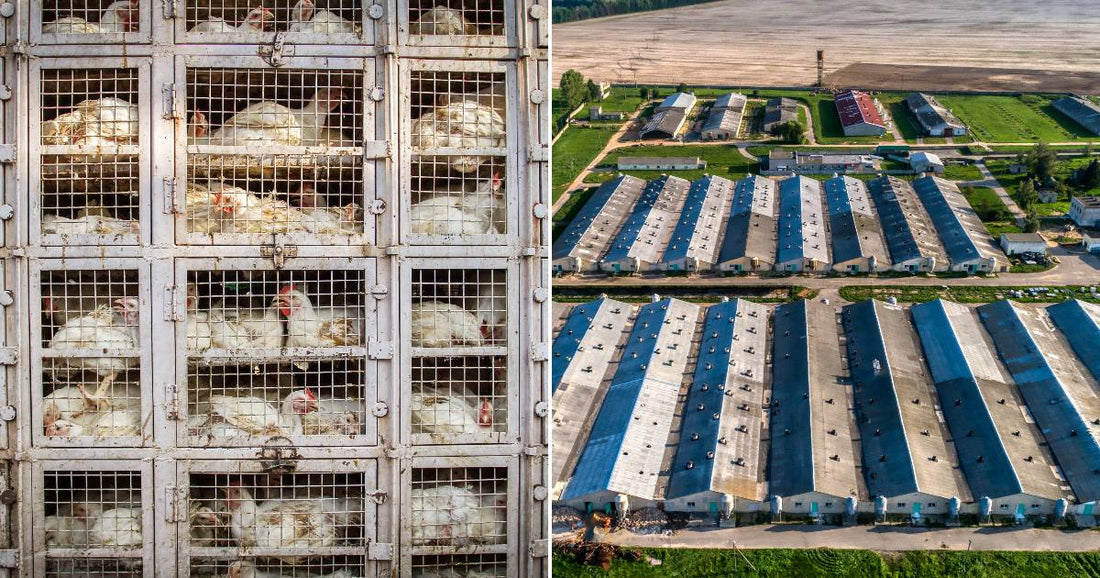
If a chemical plant releases toxic gases into the surrounding air, federal law requires that nearby communities be notified. That's the core promise of the Emergency Planning and Community Right-to-Know Act, or EPCRA — a law passed in 1986 specifically to give the public access to information about hazardous substances released in their neighborhoods. But for millions of people living near large factory farms, that promise has a significant gap.

The Exemption That Changed Everything
In 2019, the EPA finalized a rule exempting concentrated animal feeding operations — CAFOs — from EPCRA's reporting requirements for ammonia and hydrogen sulfide releases. These are not minor irritants. Hydrogen sulfide, even at low concentrations, causes headaches, nausea, and respiratory distress. At higher levels, it can be fatal. Ammonia is a lung irritant linked to serious respiratory illness. Large hog, poultry, and cattle operations release both gases in substantial quantities, yet under the 2019 rule, they are not required to report those releases to local emergency planners or health authorities.
The rule applies specifically to farms covered under the Comprehensive Environmental Response, Compensation, and Liability Act's continuous release exemption, effectively shielding CAFOs from the community notification system that applies to virtually every other major industrial polluter in the country, as the National Agricultural Law Center has detailed.

Courts Have Backed the EPA — So Far
Environmental and public health advocates have challenged the 2019 rule in court. In August 2025, a federal court upheld the exemption, ruling in favor of the EPA's interpretation of the law. But the fight didn't end there. In October 2025, a coalition of organizations — including Earthjustice, the Animal Legal Defense Fund, Food & Water Watch, and the Waterkeeper Alliance — filed an appeal, arguing that the exemption undermines the foundational purpose of EPCRA and leaves communities without the information they need to protect their health.
The appeal centers on a straightforward argument: EPCRA was designed to ensure transparency about industrial pollution, and CAFOs are industrial-scale operations releasing documented hazardous substances. Carving them out of the law creates an information blackout in some of the communities that need this data most — often rural, lower-income areas where residents have limited political and legal resources to push back.

Who Bears the Burden
The people most affected by CAFO air emissions typically live closest to the facilities — and they are disproportionately communities of color and low-income communities. As The New Lede has reported, these communities often lack the air quality data needed to document health impacts, access medical resources, or pursue legal remedies. Without mandatory reporting, even basic information about what is being released — and in what quantities — is unavailable to residents, local health departments, and first responders.
Food & Water Watch has noted that right-to-know laws only work when they apply consistently. An exemption for one of the country's largest sources of agricultural air pollution is not a technicality — it is a structural failure in public health transparency.

The Right to Know Is at Stake
EPCRA exists because communities have a right to know what pollutants are being released near their homes, schools, and water supplies. That right doesn't diminish based on who is doing the releasing. Restoring reporting requirements for CAFOs would give local emergency planners the data they need, give affected residents the information they deserve, and bring factory farms under the same accountability standards applied to other major industrial polluters.
Click below to make a difference.