
🚨Urgent: Missile Strikes Shelter in Ukraine! Rush Emergency Aid!
It's Time For Fat Bears To Battle for Survival and Global Fame
Matthew Russell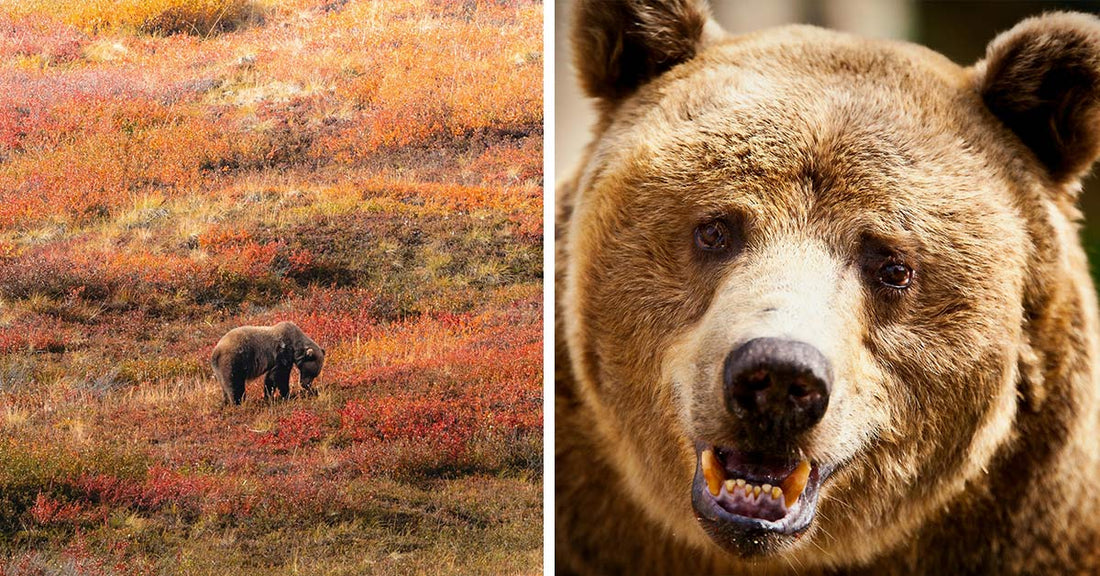
Each fall, Katmai National Park in Alaska becomes the stage for an unusual but beloved competition: Fat Bear Week. The online event celebrates the park’s brown bears as they gorge on salmon and other rich foods to prepare for hibernation. Fans from around the world tune into livestreams, fill out tournament brackets, and cast votes to crown the fattest bear of the season.
More than a playful contest, it’s an annual reminder of the bears’ survival strategy and the health of the ecosystem that sustains them.

Fat Bear Week celebrates Katmai’s brown bears preparing for hibernation.
Why “Fat” Means Survival
Fat Bear Week spotlights a life-or-death strategy. Bears enter hyperphagia, eat relentlessly, and store fat to fuel months of hibernation. “During hibernation, bears do not eat or drink and lose a third of their body weight,” explains Explore.org, which hosts the bearcams and the vote. That fat is made of salmon, and the Brooks River is one of the richest seasonal buffets on Earth for brown bears.
This year’s salmon surge matters. “This year’s salmon run was extraordinary, with salmon numbers surpassing anything seen in recent memory,” said Matt Johnson, Katmai’s interpretation program manager, in an email to NPR.
More fish means less fighting and, remarkably, more play. It also means healthier bears heading into deep winter.

Bears pack on weight to survive months without food or water.
A Global Game With Local Stakes
The bracket is fun, but it’s also a doorway into ecology and stewardship.
“It really is an opportunity for people to think about how bears survive, what they need to do to survive, what the ecosystem provides them,” said longtime Fat Bear voice and former ranger Mike Fitz, now an [Explore.org](http://explore.org/) naturalist, speaking to the Associated Press.
Katmai supports an estimated 2,200 brown bears, with 80–100 returning to the Brooks River each year; only a dozen make the bracket, park staff told NPR.
The stories behind the names connect viewers to conservation. Grazer, a two-time champion and protective mother, returns as a folk hero after a dramatic season last year, NPR reports. Chunk, one of the river’s giants, arrived this summer with a broken jaw yet “still here. Still fishing. Still Chunk,” the Katmai Conservancy maintains. Those arcs teach resilience, competition, and the costs of life in the wild—without handling or weighing bears, which would be unsafe, the Associated Press reports.
How to Watch, Vote, and Learn
The cameras stream daily life at Brooks Falls, where voters can compare before-and-after bulk and follow cubs learning to fish beside their mothers, according to TODAY. Votes are cast at [Explore.org](http://explore.org/) during published hours (11 a.m. to 8 p.m. CDT, Sept. 23–30), with one ballot per email and live results.
With salmon “more than ever,” bigger bears are expected, Katmai Conservancy’s Naomi Boak told TODAY.
In the end, Fat Bear Week is a civic lesson in ecosystems. It turns webcams and brackets into conservation literacy, linking public joy to habitat health—from Bristol Bay’s sockeye to Katmai’s den entrances—one vote, and one salmon-fed bear, at a time.