Campaigners Push To End The Guga Hunt As Gannet Colony Concerns Grow
Matthew Russell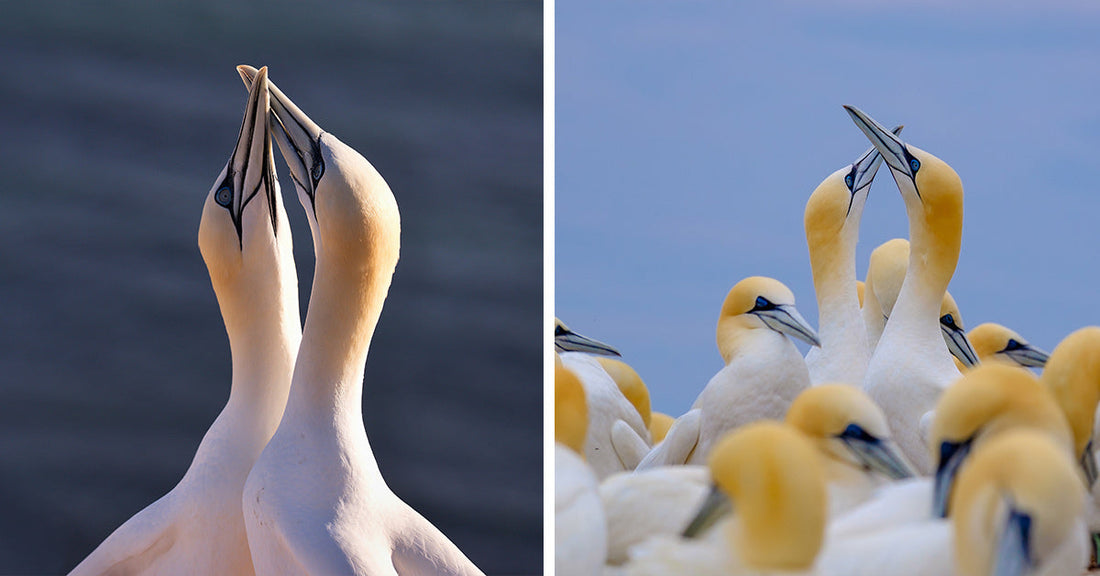
On Sula Sgeir, a remote island north of Lewis, one of Scotland’s most disputed wildlife practices still survives through law.
The Guga Hunt allows young northern gannets to be taken for meat under license. The birds are known locally as gugas. They are chicks close to the age when they would leave the colony, but still vulnerable and unable to live independently.
The practice has deep roots in the Western Isles. Supporters describe it as heritage. But campaigners argue that a custom once tied to food need has become an avoidable act of cruelty.
As Oceanographic Magazine reports, the hunt has drawn renewed criticism from animal welfare and conservation advocates who say it no longer has a place in modern Scotland.

Gannets usually raise only one chick during the breeding season.
A Legal Loophole Keeps The Hunt Alive
The central issue is not only the hunt itself. It is the law that allows it.
One petition before the Scottish Parliament calls for Section 16 of the Wildlife and Countryside Act 1981 to be amended so licenses can no longer be granted for taking gannets on Sula Sgeir.
Without that exception, the annual hunt could not continue with government approval.
The petition was created by wildlife photographer Rachel Bigsby, whose work has focused on Scotland’s seabirds. It asks Parliament to urge the Scottish Government to end the licensing power and let the birds recover without this added human pressure.
Gannets Already Face A Harder Future
Northern gannets are not casual parents. A breeding pair raises one chick. That chick depends on months of care before it can face life at sea.
Avian influenza has already devastated seabird colonies. Climate pressure, food changes, and disturbance add more strain. Against that backdrop, campaigners say removing young birds from Sula Sgeir is indefensible.
A report from Protect the Wild said documents obtained through Freedom of Information showed Sula Sgeir was performing worse than comparable Scottish gannet colonies. The group argued the colony’s condition raises serious questions about continued licenses.
The hunt returned in 2025 after a pause since 2021. Focusing on Wildlife reported that a license allowed up to 500 gannets to be killed.
That number was lower than past levels, but campaigners say the ethical issue remains.

The Guga Hunt targets young gannets on the remote island of Sula Sgeir.
Public Pressure Has Moved The Issue Into The Open
The Guga Hunt is no longer a remote issue known only to a few communities and campaigners.
Protect the Wild has used petitions, protests, and public demonstrations to push the issue into national debate. In one campaign update, Protect the Wild described efforts to bring the hunt into political discussion through the Scottish election.
The Scottish Daily Express also covered protesters in bird costumes outside Holyrood, a visible sign that the campaign has moved beyond specialist wildlife circles.
The BBC reported that the hunt was set to resume in 2025, renewing public concern over Scotland’s last surviving guga hunt.

Public pressure around the Guga Hunt has grown through petitions and protests.
Scotland Can Choose Protection Over Permission
This is a clear decision for Scotland’s lawmakers.
The country can continue to permit the killing of young seabirds through a narrow legal exception. Or it can close that loophole and protect gannets from a practice that no longer meets modern standards of compassion or conservation.
The Scottish Parliament should urge the Scottish Government to amend Section 16 and remove the power to grant licences for taking gannets on Sula Sgeir.
Click below to make a difference.