
🚨Urgent: Missile Strikes Shelter in Ukraine! Rush Emergency Aid!
More States Let Good Samaritans Save Pets From Deadly Hot Cars
Matthew Russell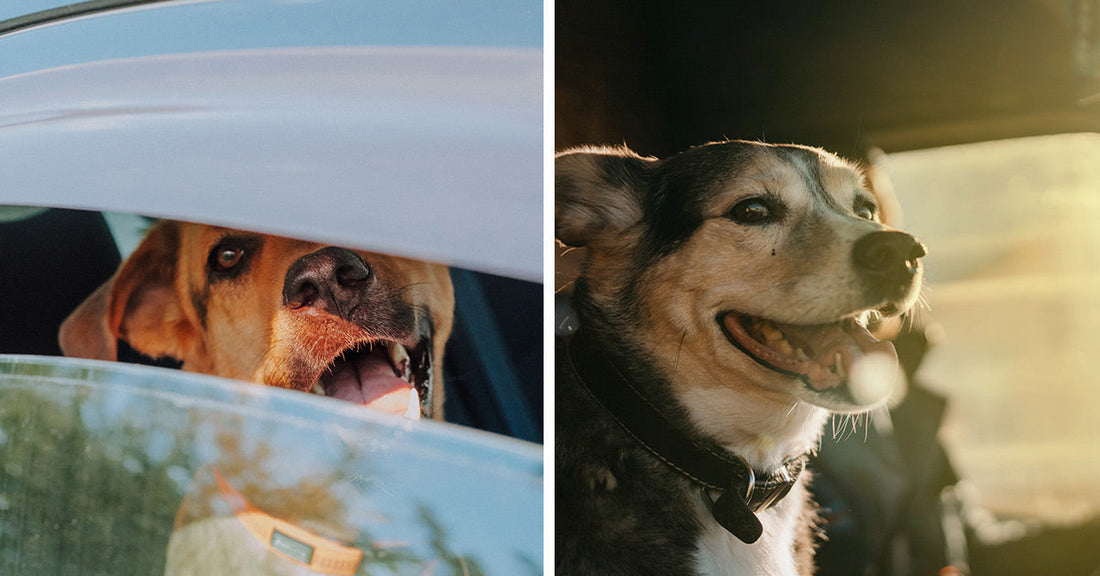
A dog left inside a parked vehicle on a warm day may have only minutes before conditions become life-threatening. As awareness of that danger grows, more states are adopting or expanding Good Samaritan laws that allow people to rescue animals trapped in hot cars without fear of legal consequences.
These laws recognize a simple reality: temperatures inside vehicles can soar quickly, even when the weather feels mild. According to the American Veterinary Medical Association, the temperature inside a parked car can climb nearly 20 degrees in just 10 minutes, while cracked windows offer little protection.

Hot cars can become deadly for pets in minutes.
Heatstroke Can Turn Fatal in Minutes
Animals cannot regulate body temperature as efficiently as humans. The ASPCA warns that pets left in vehicles can quickly suffer heatstroke, which may lead to organ failure or death.
Even relatively comfortable outdoor temperatures can create dangerous conditions inside a vehicle. The ASPCA notes that on a 70-degree day, a car's interior can exceed 100 degrees within an hour, putting animals at severe risk.

More states now protect people who rescue animals from vehicles.
States Expand Good Samaritan Protections
In response, lawmakers across the country have strengthened legal protections for rescuers. According to the Animal Legal Defense Fund, numerous states now allow civilians to enter locked vehicles to save animals facing imminent harm, provided they follow specific steps such as contacting law enforcement first.
State laws vary significantly. Some provide immunity only to emergency responders, while others extend protections to private citizens. The Michigan State University Animal Legal & Historical Center tracks these laws nationwide and reports that dozens of states now prohibit leaving animals in dangerous vehicle conditions or authorize rescues under certain circumstances.

Cracked windows do little to reduce dangerous temperatures.
Momentum Continues to Build
The movement continues to gain support. Recent legislation in Washington expanded protections for people rescuing pets, children, and vulnerable adults from locked vehicles after notifying authorities, according to Axios.
Animal welfare advocates say these laws can save lives by encouraging swift action during emergencies. Experts urge anyone who spots an animal in distress to call local authorities immediately, learn their state's requirements, and act only within the bounds of local law. When temperatures rise, minutes matter.
Click below to make a difference.