
Avoid Putting Pets and Wildlife in Peril With Your Halloween Decorations
Matthew Russell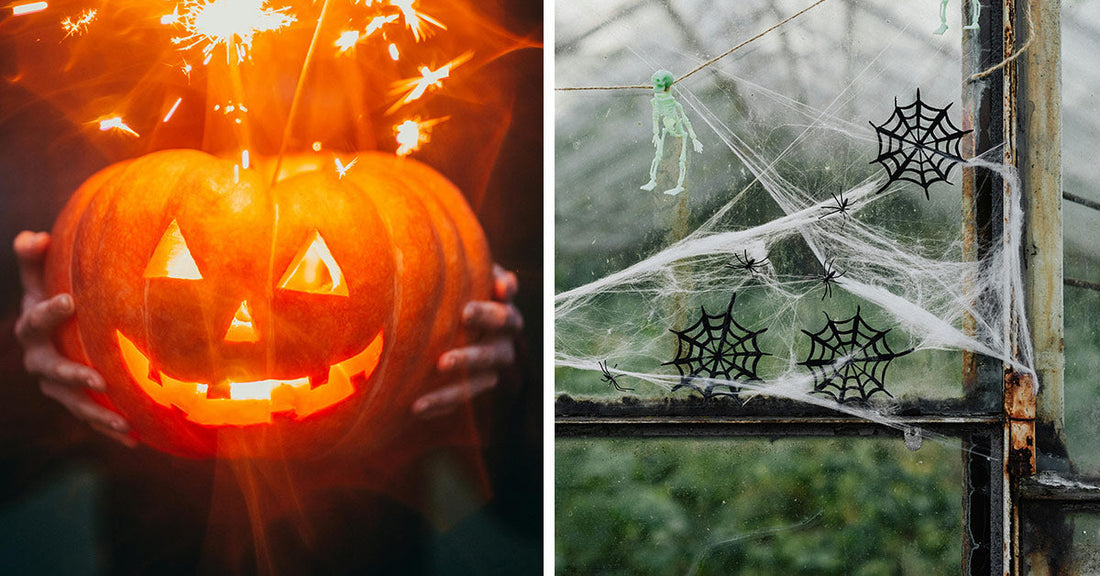
Halloween decorations fill neighborhoods with color and creativity each fall. From glowing pumpkins to webs draped across porches, these seasonal displays bring joy to people but can present hidden dangers for pets and wildlife. What seems like harmless fun may, in fact, cause serious injuries or even death for animals who share our communities.

Wildlife officials see incidents every year involving plastic pumpkins.
Plastic Pumpkins and Trapped Wildlife
Plastic trick-or-treat pumpkins, often left outside as decorations, can pose serious risks to wildlife. Deer are especially vulnerable. Each year, Ohio wildlife officials see animals wandering with their heads stuck in these buckets. The Ohio Division of Wildlife urges residents to keep the buckets indoors or at least remove the thin plastic handles that can trap a curious deer’s head, writing on Facebook: “Without fail, every year, we see a scene like this: a deer with a plastic Halloween pumpkin on its head.”
Fake Spider Webs and Other Outdoor Hazards
One of the most popular Halloween props—fake spider webs—can entangle animals. Wildlife veterinarian Jennifer Bloodgood compared them to mist nets used by researchers to capture birds and bats.
“Birds would definitely be the major concern,” she told Popular Science, but small mammals like voles and possums can also get caught.
Other decorations, like real pumpkins, may lure deer or rabbits toward roads, increasing the chance of collisions. Experts recommend placing festive displays close to the house, not in the yard where animals may encounter them.

Fake spider webs act like mist nets, ensnaring birds and bats.
Candy and Food Dangers Indoors
For household pets, Halloween candy is one of the biggest threats. Chocolate—especially dark or baking chocolate—is toxic to both dogs and cats. Sugar-free candies are even more dangerous, since many contain xylitol, a sweetener that can cause liver failure in pets, according to PetMD.
The ASPCA warns that pets have a strong sense of smell and will find candy hidden away in bedrooms or cupboards. Even a small amount can lead to vomiting, seizures, or worse.
Decorations That Put Pets at Risk
Beyond sweets, common decorations can quickly become dangerous for pets:
- Jack-o’-lanterns with candles can be tipped over, starting fires or burning curious cats and dogs, the AVMA reports.
- Electrical wires from light displays are tempting chew toys for young animals, leading to mouth burns or electrocution, according to PetMD.
- Glow sticks taste terrible but are often chewed open, causing pets to drool and panic. Some contain glass fragments.
- Fog machines may use solutions that are toxic if inhaled or ingested.

Pet costumes that restrict breathing or movement can cause injury.
Costumes and Stress
Dressing up pets may be fun for families, but not all animals tolerate costumes well. Outfits that restrict movement or breathing, or include dangling parts, can injure or choke them. As PetMD reports, if a pet shows signs of stress—lip licking, hiding, trembling—costumes should come off immediately.
Even human costumes can cause problems. Small plastic parts and dangling accessories are choking hazards if left within reach of pets, according to the ASPCA.
Keeping Pets Calm and Safe
Halloween night can overwhelm animals with ringing doorbells and strangers in costumes. The AVMA suggests keeping pets indoors, away from the front door. A secure, quiet room stocked with toys or soothing music can help. For highly anxious pets, calming vests or pheromone diffusers may provide relief.
Proper identification is also critical. Collars, tags, and updated microchips ensure a lost pet can be returned quickly, the ASPCA reports.

Doorbells and trick-or-treaters can overwhelm anxious dogs and cats.
A Safer Holiday for All
From plastic pumpkins trapping deer to fake spider webs ensnaring birds, Halloween fun can unintentionally harm animals. By keeping decorations closer to the house, stashing candy out of reach, and creating safe spaces indoors, families can celebrate without putting pets and wildlife at risk.