
Horses Have Waited 55 Years for Protection From This Cruel Practice
Matthew Russell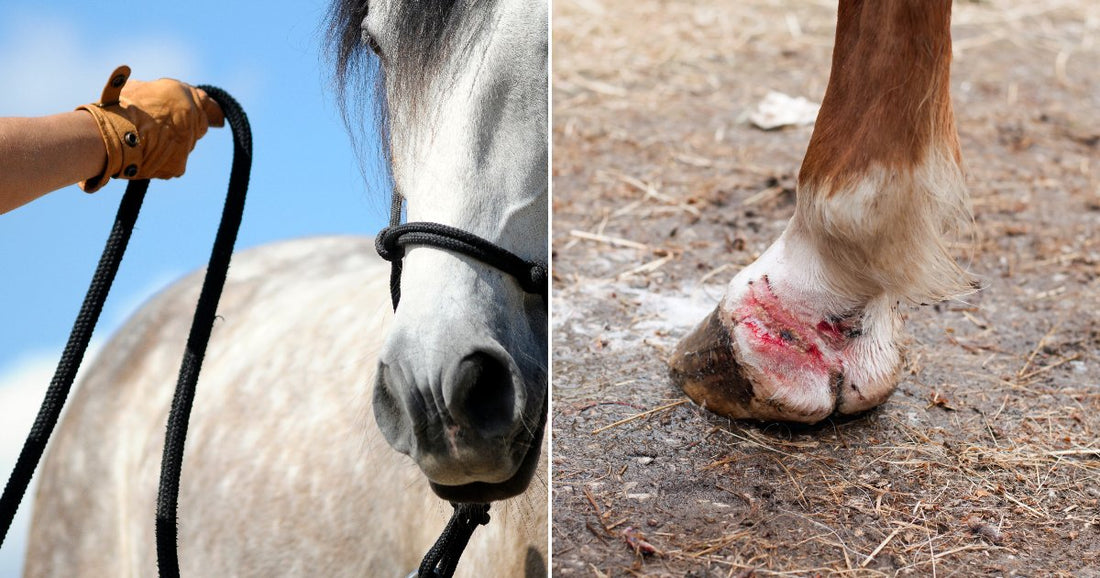
Horse soring is exactly what it sounds like. Trainers deliberately inflict pain on a horse's front legs and hooves — using caustic chemicals, sharp chains, or mechanical pressure — so that the animal lifts its feet in an exaggerated, high-stepping gait prized in certain show competitions, particularly among Tennessee Walking Horses. The practice has been federally prohibited since 1970, when Congress passed the Horse Protection Act. More than five decades later, it continues.

Horse soring is most prevalent among Tennessee Walking Horses shown in a style known as the 'Big Lick.'
A Rule That Was Never Allowed to Work
In 2017, the USDA finalized updated regulations designed to close the loopholes that have allowed soring to persist. The most significant change was the elimination of industry-affiliated inspectors — a system widely criticized because it allowed the same industry that profits from showing horses to police itself. Independent federal oversight would replace it.
Those rules never took effect. They were delayed, reconsidered, and ultimately withdrawn before a strengthened version was finalized in 2023 under the Biden administration. That 2023 rule was set to take effect in February 2026. It didn't. In late January 2026, the USDA announced it was postponing implementation once again, this time for at least another year, citing a review of the rulemaking process. USDA APHIS confirmed the delay, with no new effective date established.

Congress passed the Horse Protection Act in 1970 to make horse soring a federal offense, yet the practice has continued for more than five decades.
What Horses Experience
The physical consequences of soring are severe. Horses subjected to the practice endure open sores, chemical burns, and chronic pain — injuries that can persist long after the show season ends. The gait produced by soring, sometimes called the "Big Lick," is visibly unnatural. To perform it, a horse in pain reflexively jerks its legs upward to relieve pressure. What audiences see as a flashy movement is, in practice, a pain response.
Enforcement under the current system depends heavily on inspectors with direct ties to the show industry. Humane World for Animals has documented how this arrangement creates a fundamental conflict of interest that has allowed violators to continue showing horses with little consequence.

Horses subjected to soring can suffer open wounds, chemical burns, and chronic pain that persists well beyond the show season.
A Pattern Bigger Than One Rule
Animal welfare advocates see the latest postponement as part of a broader rollback of federal animal protections. Humane World for Animals has noted that the freeze on Horse Protection Act enforcement is occurring alongside other regulatory retreats — a pattern that leaves multiple species more vulnerable to institutionalized cruelty. The Humane World Action Fund called the delay a serious setback for horses that have already waited decades for meaningful protection.
Congress passed the Horse Protection Act because soring was recognized as a genuine federal concern — not a niche issue, not an industry matter to be handled internally. The infrastructure to fix the problem exists. The rule exists. What keeps changing is the timeline.

Under the current enforcement system, show inspectors often have direct financial or professional ties to the industry they are responsible for overseeing.
The Horses Can't Wait Longer
Every show season that passes without independent oversight is another season in which horses can be sored, shown, and sold without adequate federal protection. The 2023 rule represented years of public input, scientific review, and legal process. Delaying it does not change any of that work — it only extends the gap between what the law promises and what horses actually experience.
The USDA has the authority to move forward. Horses across the country are counting on that decision being made.
Click below to make a difference.