
🚨Urgent: Missile Strikes Shelter in Ukraine! Rush Emergency Aid!
Half a Million Gallons of Wastewater a Day Could Push a Protected Lagoon Past Its Limits
Matthew Russell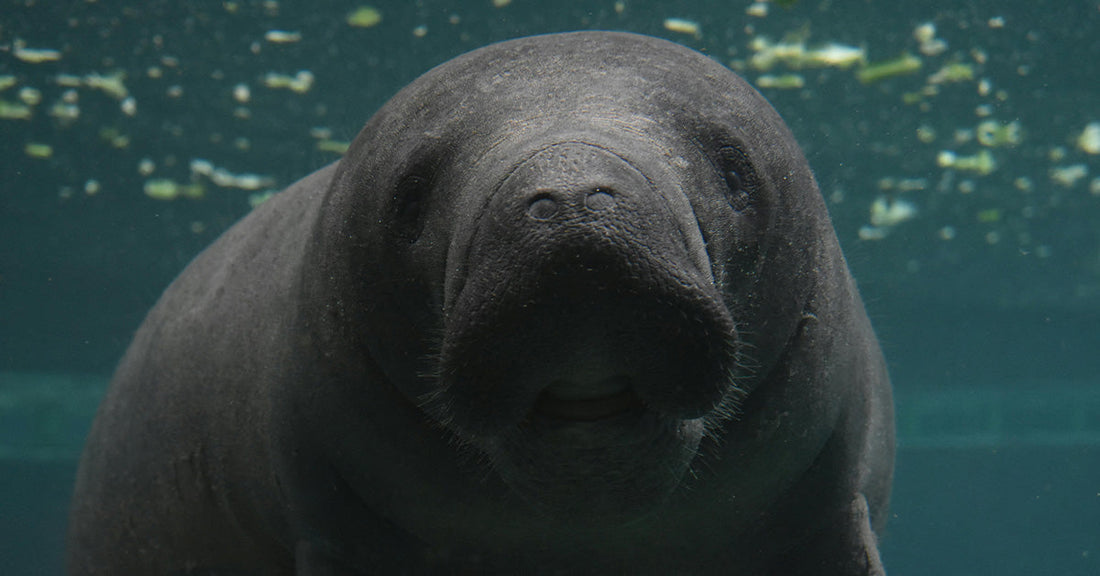
The Indian River Lagoon stretches along Florida’s east coast as one of North America’s most biologically rich estuaries, supporting thousands of plant and animal species. Its shallow waters act as nurseries for fish, feeding grounds for birds, and critical habitat for manatees. Years of nutrient pollution, freshwater runoff, and habitat loss have already pushed the lagoon close to ecological collapse, as Gizmodo reports.
Into this fragile system, Blue Origin plans to release close to half a million gallons of industrial wastewater every day. Even treated water changes the chemistry of an estuary that depends on a careful balance between salt and fresh water.

The Indian River Lagoon is one of the most biodiverse estuaries in the United States.
What the Wastewater Contains
According to Florida Today, the discharged water begins as potable water used in rocket component testing and cooling systems. After use, it becomes classified as industrial wastewater. Treatment removes many contaminants, but nutrients such as nitrogen and phosphorus remain tightly regulated for a reason. Even small increases can fuel algal blooms that block sunlight and suffocate seagrass.
The permit does not address emerging contaminants like PFAS or microplastics, compounds increasingly detected in industrial effluent and known to persist in marine environments. For filter-feeding organisms and fish larvae, exposure at low concentrations can still disrupt growth and reproduction.

Blue Origin plans to discharge nearly 500,000 gallons of industrial wastewater daily.
Freshwater as a Hidden Pollutant
Beyond chemistry, volume matters. Excess freshwater itself can harm a salty estuary. Phys.org notes that large freshwater inputs dilute salinity in the northern lagoon, an area already prone to imbalance. Seagrasses, oysters, and clams depend on stable salinity levels. When those species decline, the entire food web weakens, from small invertebrates to fish and dolphins.
This freshwater loading arrives alongside runoff from expanding aerospace facilities. Impervious surfaces channel rain quickly into waterways, carrying residues and heat that further stress aquatic life.
Cumulative Impacts on Wildlife
The lagoon supports more than 4,300 species, including threatened manatees. Reduced seagrass coverage has already contributed to starvation events. Additional nutrient inputs raise the risk of harmful algal blooms, which can produce toxins affecting fish, birds, and mammals.
Environmental groups warn that wastewater discharges add to other pressures from space industry growth, including stormwater pollution, noise, light, and the potential for chemical residues linked to rocket manufacturing, Engineering News-Record reports. Individually, each stressor may appear manageable. Together, they threaten long-term recovery.

Even treated wastewater can alter fragile estuarine chemistry.
Oversight and Risk
Regulatory oversight exists, but concerns remain. Florida Today reports that Blue Origin has faced fines for monitoring and compliance failures in recent years. Those violations raise questions about enforcement consistency as industrial activity increases.
The permit’s discharge volume falls just below thresholds that would trigger stricter treatment standards, a technical distinction with real ecological consequences.
An Estuary at a Crossroads
Local governments and residents have invested hundreds of millions of dollars to restore the Indian River Lagoon. As Spectrum News reports, many fear that allowing continued industrial discharge risks undoing that progress.
The decision over wastewater disposal is not only about one company or one permit. It is about whether a protected lagoon, still recovering from decades of damage, can absorb another daily burden without tipping back into decline.
Click below to make a difference.