
Scientists Discover New Prehistoric Shark at Mammoth Cave National Park
Michelle Milliken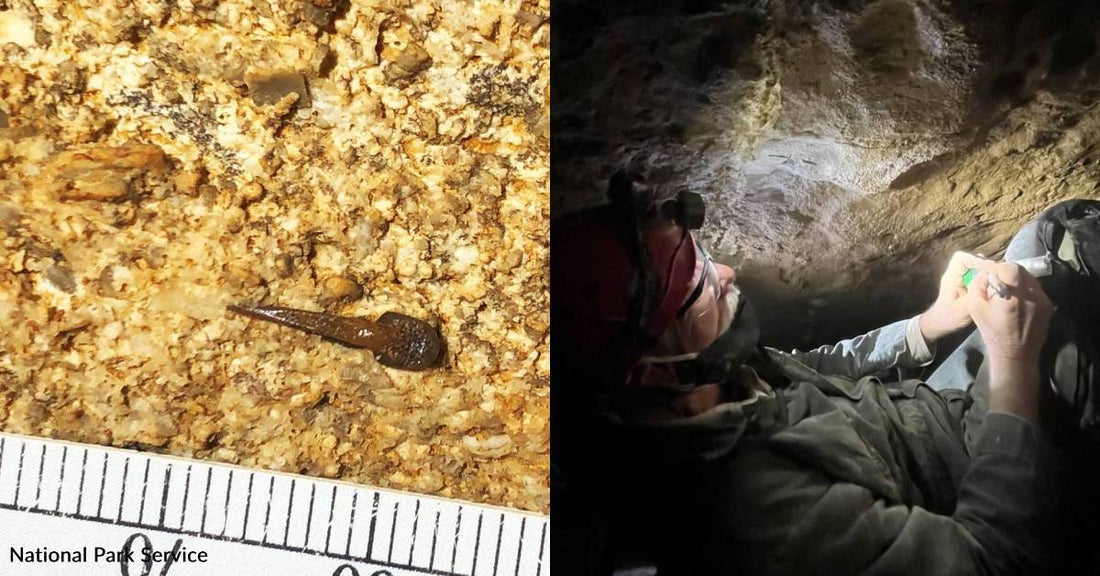
Our national parks provide a wide range of recreational activities for us this time of year, but scientists are also always hard at work in the parks. A team at one site recently discovered a brand-new prehistoric shark species.
Mammoth Cave National Park in Kentucky announced earlier this month that a new species of ancient shark has been found in its Ste. Genevieve Formation. The site dates back to 335 to 340 million years ago, a time in which the park was under the sea.
Macadens olsoni - which gets its name from Mammoth Cave and retired park scientist Rickard Olson, who documented shark fossils - was a small shark. It likely topped out at less than a foot in length. It also had a unique tooth whorl and a curved row of teeth that helped it crush small sea creatures, probably mollusks and worms.
The species was discovered by a team of scientists from the National Park Service Paleontology Program, Mammoth Cave National Park, and the Smithsonian Paleontology Department.
The park’s superintendent Barclay Trimble says, “This discovery is a remarkable addition to our understanding of ancient marine life and underscores the importance of preserving and studying our natural history…
“This finding not only enhances our knowledge of ancient marine ecosystems but also emphasizes the critical role of paleontological research in our national parks. Every discovery connects the past with the present and offers invaluable educational opportunities for students and the public.”

According to Mammoth Cave’s website, research has been undertaken in the area of the park for more than 200 years, including other paleontological and archaeological findings. Since 1842, at least 59 species of animals, plants, and microbes have also been described from the park.